Are you struggling with pain, swelling, or that low-grade ache that just won’t quit and want to know which supplements might help reduce inflammation?
What Supplements Reduce Inflammation?
You want clear, useful information about supplements that can help reduce inflammation and how to use them safely. This article breaks down the most commonly discussed anti-inflammatory supplements, the evidence behind them, typical dosages, safety notes, and practical guidance so you can make informed choices with your healthcare provider.
Understanding inflammation: a quick primer
You should know that inflammation is a natural, protective process your body uses to heal after injury or infection. Acute inflammation is short-lived and useful, while chronic inflammation is a prolonged response that can contribute to diseases like arthritis, heart disease, and metabolic syndrome.
Understanding the difference helps you decide whether lifestyle changes, supplements, or medical treatment are appropriate. Measuring inflammation often involves blood tests like CRP or ESR, but symptoms and context matter just as much.
Why consider supplements for inflammation?
You may prefer supplements because they can complement diet, exercise, and medications with relatively low risk when used appropriately. Supplements often target inflammation pathways—like cytokines, prostaglandins, or oxidative stress—and can provide symptom relief or support overall health.
However, supplements are not a cure-all. You should view them as one component of a broader strategy that includes diet, sleep, stress management, and medical care when needed.
How strong is the evidence?
You’ll find a range of evidence quality across supplements. Some, like omega-3 fatty acids and curcumin, have multiple randomized controlled trials supporting benefits in certain conditions. Others have promising preliminary data but require more rigorous studies. Always interpret results in context: dosage, formulation, duration, and population studied matter a lot.
Key supplements that may reduce inflammation
Below are the supplements most commonly recommended for reducing inflammation. For each you’ll see how they work, what evidence exists, typical doses, and safety considerations.
Omega-3 fatty acids (EPA and DHA)
You can get omega-3s from fish oil or algal oil. They reduce inflammation by competing with arachidonic acid and producing less-inflammatory eicosanoids, and by resolvin and protectin pathways.
Evidence: Strong for rheumatoid arthritis symptom reduction and moderate for lowering inflammatory markers in some populations. Benefits are dose-dependent and more pronounced with higher EPA content for inflammatory conditions.
Typical dosage: 1,000–3,000 mg combined EPA+DHA daily for general anti-inflammatory effect; higher doses (2,000–4,000+ mg) sometimes used under medical supervision.
Safety and interactions: May increase bleeding risk at high doses, especially if you take anticoagulants or antiplatelet drugs. Fish oil can cause gastrointestinal upset or fishy aftertaste. Choose molecularly distilled or third-party tested products to reduce contaminants.
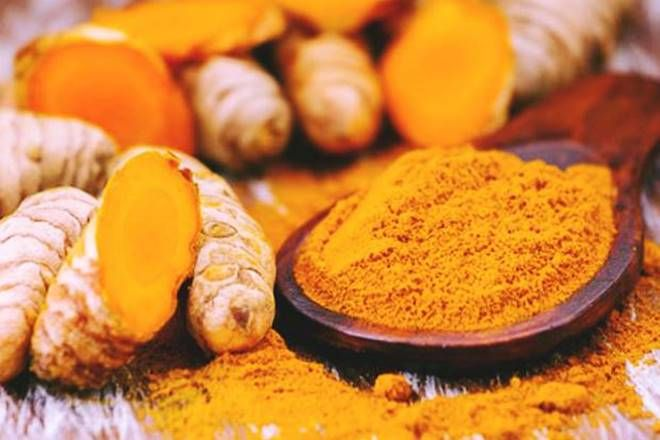
Turmeric / Curcumin
You’ll often hear curcumin described as a potent anti-inflammatory polyphenol. It inhibits NF-κB and other inflammatory signaling pathways and also acts as an antioxidant.
Evidence: Multiple trials show curcumin can reduce joint pain in osteoarthritis and markers of inflammation, but bioavailability is a major issue. Formulations with piperine or lipid carriers improve absorption.
Typical dosage: 500–2,000 mg of curcuminoids per day, often split into two doses. Look for enhanced-bioavailability formulations (e.g., curcumin phytosome, micellar curcumin, or those combined with piperine).
Safety and interactions: Generally well-tolerated but can cause GI upset at high doses. Piperine increases absorption but may change metabolism of certain drugs (e.g., warfarin, some antidepressants). Avoid if you have gallbladder disease without medical advice.
Ginger (Zingiber officinale)
You can use ginger as a spice or in concentrated supplement form. It inhibits prostaglandin and leukotriene synthesis and has antioxidant effects.
Evidence: Small-to-moderate benefits for osteoarthritis and muscle soreness. Some trials show reductions in inflammatory markers.
Typical dosage: 1,000–2,000 mg powdered ginger extract per day, or up to 4 grams of fresh/dried ginger in divided doses.
Safety and interactions: Usually safe; possible mild GI upset and heartburn. Ginger may increase bleeding risk at high doses or when combined with anticoagulants.
Boswellia serrata (Frankincense)
Boswellia contains boswellic acids that inhibit 5-lipoxygenase and reduce leukotriene synthesis, which can decrease inflammation.
Evidence: Some clinical trials show benefit for osteoarthritis and inflammatory bowel disease symptoms, though studies vary in quality.
Typical dosage: 300–400 mg of standardized extract (usually 65% boswellic acids) two to three times daily.
Safety and interactions: Generally well-tolerated; possible GI upset, nausea, or rash. Interactions with medications are limited but check with your provider.
Green tea (EGCG)
Epigallocatechin gallate (EGCG) is the main anti-inflammatory catechin in green tea. It affects multiple inflammatory pathways and acts as an antioxidant.
Evidence: Observational and animal studies support anti-inflammatory and metabolic benefits; small human trials show modest reductions in markers of inflammation.
Typical dosage: 300–800 mg EGCG per day from supplement forms, or 3–5 cups of brewed green tea daily for general antioxidant benefits.
Safety and interactions: High-dose EGCG can stress the liver in rare cases; avoid excessive concentrated extracts without supervision. Caffeine sensitivity should be considered.
Resveratrol
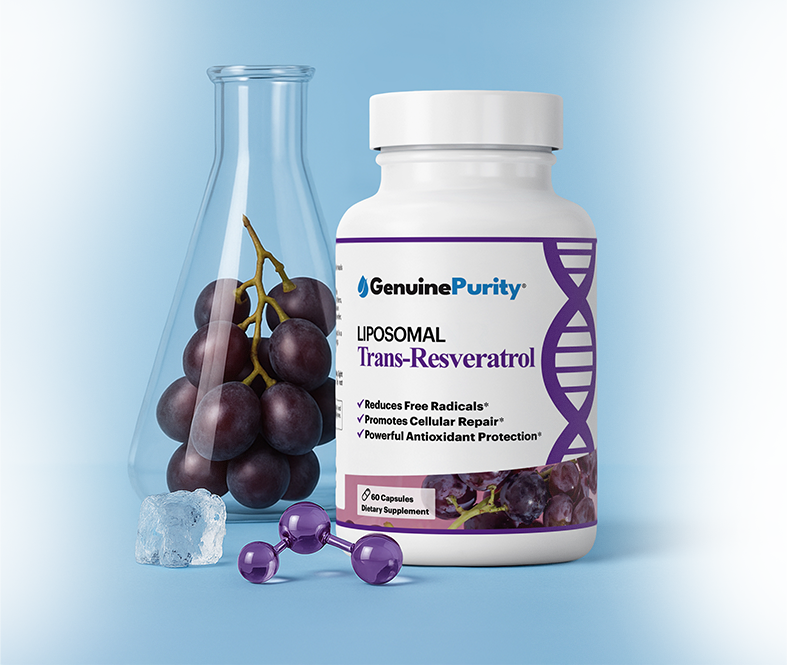
Resveratrol is a polyphenol found in grapes and berries that activates sirtuins and modulates inflammatory signaling.
Evidence: Mostly preclinical and small human trials showing modest anti-inflammatory effects; more research needed for routine use.
Typical dosage: 150–500 mg daily in supplement form for short-term use in many studies.
Safety and interactions: Generally safe at common doses; potential interactions with anticoagulants and some metabolic pathways. Long-term safety at high doses is not well-established.
Vitamin D
You’ll notice vitamin D has immune-modulating effects rather than direct anti-inflammatory properties. It can downregulate pro-inflammatory cytokines and upregulate anti-inflammatory ones.
Evidence: Low vitamin D status is associated with higher inflammation; supplementation reduces markers in some studies, especially in deficient individuals.
Typical dosage: 1,000–4,000 IU daily, personalized based on blood level (25(OH)D). Aim for a target range recommended by your provider, often 30–50 ng/mL.
Safety and interactions: Vitamin D toxicity is rare but possible at very high doses long-term. Check calcium levels and use under supervision if you have hypercalcemia or sarcoidosis.
Vitamin C
Vitamin C is an antioxidant that supports immune function and can reduce oxidative stress that perpetuates inflammation.
Evidence: Some studies show reduced markers of inflammation, especially when baseline antioxidant status is low or during acute stress.
Typical dosage: 500–1,000 mg daily for antioxidant support; higher short-term doses sometimes used under guidance.
Safety and interactions: Generally safe; high doses may cause GI upset or increase risk of kidney stones in susceptible people.
Vitamin E (tocopherols and tocotrienols)
Vitamin E is a fat-soluble antioxidant that protects cell membranes from oxidative damage and may modulate inflammatory responses.
Evidence: Mixed results. Some studies show reduced oxidative stress and modest anti-inflammatory effects; others show no benefit and potential harm at very high doses.
Typical dosage: 100–400 IU daily of mixed tocopherols for antioxidant support, but avoid very high doses long-term.
Safety and interactions: High doses can increase bleeding risk and interact with anticoagulants. Choose mixed tocopherols rather than alpha-tocopherol alone for broader benefit.
Zinc
Zinc is an essential trace mineral involved in immune function and inflammatory regulation. Deficiency can worsen inflammation.
Evidence: Supplementation reduces markers of inflammation in zinc-deficient individuals and may support healing.
Typical dosage: 8–15 mg daily for maintenance; short-term therapeutic doses up to 30 mg under supervision.
Safety and interactions: Long-term high doses can cause copper deficiency and GI upset. Zinc can interact with antibiotics like tetracyclines and quinolones—space dosing by a few hours.
Magnesium
Magnesium plays roles in hundreds of enzymatic reactions and can influence inflammatory signaling pathways. Deficiency is linked to higher CRP and other markers.
Evidence: Supplementation in deficient people can lower some inflammatory markers and improve metabolic parameters.
Typical dosage: 200–400 mg elemental magnesium daily (forms like magnesium glycinate or citrate). Adjust for tolerance.
Safety and interactions: High doses cause diarrhea; avoid in severe kidney impairment without medical advice. Magnesium can interact with some cardiac or blood pressure medications.
Probiotics and prebiotics
Your gut microbiome strongly influences systemic inflammation. Probiotics can alter gut flora and reduce gut-derived inflammation; prebiotics feed beneficial microbes.
Evidence: Strain-specific benefits exist for IBS, IBD adjunctive therapy, and some systemic inflammation markers. Results vary by strain and condition.
Typical dosage: Look for multi-strain products with ≥1–10 billion CFU; specific strains like Lactobacillus rhamnosus GG, Bifidobacterium infantis, and Saccharomyces boulardii have clinical data.
Safety and interactions: Generally safe for healthy people; caution in severely immunocompromised individuals. Antibiotics can transiently reduce probiotic effectiveness.
Fiber
Dietary fiber feeds gut microbes that produce short-chain fatty acids like butyrate, which have anti-inflammatory effects. Soluble fibers are particularly effective.
Evidence: High-fiber diets reduce systemic inflammation in many studies and improve metabolic health.
Typical dosage: Aim for 25–40 grams of fiber daily from a mix of soluble and insoluble sources. Supplemental psyllium or inulin can help.
Safety and interactions: Increase fiber gradually to avoid gas and bloating. Fiber can affect absorption of some medications—space dosing.
Alpha-lipoic acid (ALA)
ALA is an antioxidant that regenerates other antioxidants and modulates inflammatory signaling.
Evidence: Some trials in diabetic neuropathy and metabolic syndrome show reduced inflammatory markers and improved symptoms.
Typical dosage: 300–600 mg daily in divided doses.
Safety and interactions: Generally well-tolerated; may lower blood sugar so monitor if you take diabetes medications.
N-acetylcysteine (NAC)
NAC boosts glutathione, a major cellular antioxidant, and can modulate inflammatory responses.
Evidence: NAC shows benefit in certain pulmonary and metabolic contexts and can reduce oxidative-stress related inflammation.
Typical dosage: 600–1,200 mg daily in divided doses for general antioxidant support.
Safety and interactions: Nausea and GI upset can occur. NAC can interact with nitroglycerin, and dosing in pregnancy or breastfeeding should be supervised.
Coenzyme Q10 (CoQ10)
CoQ10 supports mitochondrial function and reduces oxidative stress, which can secondarily lower inflammation.
Evidence: Small trials show reductions in CRP and improved outcomes in statin-associated muscle symptoms and cardiovascular health contexts.
Typical dosage: 100–300 mg daily.
Safety and interactions: Well-tolerated; may interact with blood pressure medications and anticoagulants. Statin users sometimes benefit.
Collagen and gelatin
Supplemental collagen can support joint health and may reduce pain and inflammation by improving cartilage composition and promoting repair.
Evidence: Some RCTs show reduced joint pain and improved function in osteoarthritis and activity-related joint discomfort.
Typical dosage: 2.5–15 grams daily depending on the product and study.
Safety and interactions: Generally safe; watch for allergen sources (e.g., fish or bovine) if you have sensitivities.
Summary table: supplements, evidence level, typical dose, and cautions
| Supplement | Evidence level (general) | Typical dose | Main cautions/interactions |
|---|---|---|---|
| Omega-3 (EPA/DHA) | Strong for arthritis; moderate overall | 1,000–3,000 mg/day (higher under supervision) | Bleeding risk with anticoagulants; GI upset |
| Curcumin (turmeric) | Moderate for joints; bioavailability issues | 500–2,000 mg curcuminoids/day (formulation matters) | May affect drug metabolism; gallbladder issues |
| Ginger | Moderate for pain/inflammation | 1,000–2,000 mg/day | Bleeding risk at high doses |
| Boswellia | Moderate for joint/IBD symptoms | 300–400 mg 2–3x/day | GI upset possible |
| Green tea (EGCG) | Moderate (antioxidant/inflammatory) | 300–800 mg EGCG/day or 3–5 cups | Rare liver toxicity at high doses; caffeine |
| Resveratrol | Preliminary/modest | 150–500 mg/day | Interacts with anticoagulants; limited long-term data |
| Vitamin D | Moderate if deficient | 1,000–4,000 IU/day individualized | Monitor calcium; avoid excess |
| Vitamin C | Modest antioxidant benefits | 500–1,000 mg/day | GI upset; kidney stones risk if susceptible |
| Vitamin E | Mixed evidence | 100–400 IU/day (mixed forms) | Bleeding risk at high doses |
| Zinc | Moderate if deficient | 8–15 mg/day; therapeutic up to 30 mg | Long-term high dose → copper deficiency |
| Magnesium | Moderate if deficient | 200–400 mg/day elemental | Diarrhea; caution in renal impairment |
| Probiotics | Strain-specific evidence | 1–10+ billion CFU/day | Caution in immunocompromised |
| Fiber | Strong for gut-mediated inflammation | 25–40 g/day | GI discomfort if increased quickly |
| Alpha-lipoic acid | Preliminary/moderate | 300–600 mg/day | May lower blood sugar |
| NAC | Preliminary/moderate | 600–1,200 mg/day | GI upset; interacts with nitroglycerin |
| CoQ10 | Modest | 100–300 mg/day | Interacts with BP meds, anticoagulants |
| Collagen | Moderate for joint pain | 2.5–15 g/day | Allergen sources (bovine, fish) |
Drug interactions and special precautions
You should check for interactions between supplements and medications, particularly anticoagulants (warfarin), antiplatelets (aspirin), blood pressure meds, diabetes drugs, and immunosuppressants. Herbs and supplements that affect platelet function or drug-metabolizing enzymes (CYP enzymes) pose particular risks.
Below is a focused table of common interactions to watch for.
| Supplement | Main medication interaction concerns |
|---|---|
| Omega-3s | Increased bleeding risk with anticoagulants/antiplatelets |
| Curcumin | May inhibit CYP enzymes and alter warfarin, statins, some antidepressants |
| Ginger | Potential to increase bleeding risk with anticoagulants |
| Green tea (EGCG) | Can affect blood pressure meds; caffeine-related effects |
| Vitamin E | Can increase bleeding risk with anticoagulants |
| Zinc | Interferes with absorption of tetracycline/quinolone antibiotics |
| Magnesium | Can reduce absorption of bisphosphonates, levothyroxine if taken together |
| NAC | May interact with nitroglycerin; affects some lab tests |
| Probiotics | Caution in severely immunocompromised patients |
Always inform your healthcare provider about all supplements you take, and have them review potential interactions.
How to choose a high-quality supplement
You should prioritize products that are third-party tested (e.g., USP, NSF, ConsumerLab), list clear amounts of active ingredients, and provide batch testing for contaminants like heavy metals or pesticides. For botanicals, standardized extracts (e.g., boswellic acid percentage, curcuminoid content) help ensure consistency.
Look for clear dosing instructions, transparent ingredient lists, and good manufacturing practices (GMP) adherence. Avoid proprietary blends that hide quantities of active compounds.
Timing, form, and bioavailability considerations
You’ll get different results depending on supplement form and formulation. For example:
- Curcumin benefits from enhanced-bioavailability formulas (phytosomes, piperine, liposomal).
- Omega-3s can be triglyceride, ethyl ester, or phospholipid forms; bioavailability varies.
- Magnesium citrate and glycinate have higher absorption than magnesium oxide and are easier on the gut.
- Probiotic strains matter; multi-strain formulas can be helpful, but follow strain-specific guidance.
Take fat-soluble supplements (omega-3, vitamin D, vitamin E) with meals containing fat for better absorption. Space minerals like zinc and magnesium away from certain medications or other minerals that compete for absorption.
Combining supplements and lifestyle: a practical approach
Supplements are most effective when combined with anti-inflammatory lifestyle habits. You should focus on:
- A whole-food, plant-forward diet rich in fruits, vegetables, whole grains, nuts, seeds, and oily fish.
- Regular physical activity appropriate to your condition.
- Adequate sleep and stress management practices (mindfulness, cognitive approaches).
- Reducing smoking and excessive alcohol.
Start one supplement at a time so you can assess benefits and side effects. Keep a symptom diary and track any improvements in pain, stiffness, energy, or lab markers if you’re monitoring CRP or other tests.
How long until you see results?
You’ll notice variable timelines:
- Some supplements (like ginger or omega-3s) may show symptom reduction within weeks.
- Curcumin and boswellia often show benefit within 4–8 weeks.
- Probiotics and fiber may require several weeks to alter gut microbiota and produce measurable changes.
- Vitamins and minerals correct deficiencies gradually and may take weeks to months to reflect in labs.
If you don’t notice improvement after a reasonable period (typically 8–12 weeks for many supplements), reassess with your provider.
Safety: who should avoid certain supplements?
You should be cautious if you:
- Are pregnant or breastfeeding—consult your provider before starting most supplements.
- Have bleeding disorders or take anticoagulant/antiplatelet medications.
- Are on immunosuppressive therapy—probiotics can be risky in severe immunosuppression.
- Have kidney or liver disease—some supplements require dose adjustment or avoidance.
- Have known allergies to source ingredients (e.g., fish-derived omega-3s or bovine collagen).
When in doubt, check with a physician, pharmacist, or registered dietitian.
When to see a healthcare provider
You should seek medical attention if:
- Inflammation is severe, rapidly worsening, or associated with systemic symptoms (fever, unexplained weight loss).
- You have joint swelling and loss of function—early diagnosis of conditions like rheumatoid arthritis matters.
- You’re on prescription medications and plan to start supplements that could interact.
- You want blood tests to check inflammatory markers or nutrient deficiencies before supplementing.
Supplements can support health but shouldn’t replace medical evaluation for serious or persistent conditions.
Practical supplementation plan example
You can use the following as a template to discuss with your provider. This is illustrative—not a prescription.
- Baseline: Check vitamin D level, CBC, metabolic panel, CRP if clinically indicated.
- Core anti-inflammatory stack:
- Omega-3: 1,000–2,000 mg EPA+DHA daily
- Curcumin (enhanced-bioavailability): 500–1,000 mg curcuminoids/day
- Vitamin D: dose individualized by blood level (e.g., 2,000 IU/day until optimized)
- Supportive options (depending on symptoms):
- Ginger 1,000 mg/day for joint pain or nausea
- Magnesium glycinate 200–300 mg nightly for muscle relaxation and improved sleep
- Probiotic containing Lactobacillus and Bifidobacterium strains, especially if gut symptoms present
- Lifestyle pillars: anti-inflammatory diet, 30 minutes of moderate exercise most days, sleep hygiene, stress reduction
Adjust dosing and combinations with professional guidance, and reassess after 8–12 weeks.
Common myths and misconceptions
You should be aware of common traps:
- More is not always better—higher doses can cause harm.
- “Natural” doesn’t mean harmless—botanicals can have potent drug interactions.
- Supplements are not substitutes for disease-modifying medications in autoimmune diseases.
- Single supplements rarely cure complex conditions; combinations with lifestyle interventions are more effective.
Monitoring and measuring success
Track symptom changes, functional improvements, and, when appropriate, lab markers like CRP, ESR, or vitamin D levels. Keep a simple log of pain scores, sleep quality, energy, and GI symptoms to measure subtle changes.
If you notice adverse effects (new bleeding, severe GI upset, rash, or other concerning signs), stop the supplement and contact your provider.
Final thoughts and next steps
You can reduce inflammation with a combination of lifestyle changes and targeted supplements, but you should approach supplementation thoughtfully. Start with evidence-backed options like omega-3s and curcumin, correct nutrient deficiencies such as vitamin D, and prioritize high-quality products. Work with your healthcare provider to ensure safety, avoid interactions, and monitor progress.
If you want, tell me about your specific symptoms, current medications, and any lab results you have, and I’ll help you prioritize which supplements might be most relevant for your situation.