?Are you looking for drinks that can actually help lower inflammation and support your overall health?
What Drinks Help Reduce Inflammation?
Inflammation is your body’s natural response to injury, infection, or stress. While short-term (acute) inflammation helps you heal, long-term (chronic) inflammation can raise your risk for conditions like arthritis, heart disease, diabetes, and some cancers. What you drink every day can either help calm inflammation or make it worse. This article gives you practical, evidence-informed options and clear steps you can take to use beverages as part of an anti-inflammatory approach.
Why drinks matter for inflammation
What you drink influences your inflammation level because beverages deliver bioactive compounds, antioxidants, probiotics, electrolytes, and, sometimes, sugar and alcohol. Drinks can:
- Provide antioxidants and polyphenols that neutralize oxidative stress.
- Deliver anti-inflammatory molecules like curcumin, gingerols, anthocyanins, and omega-3 fats.
- Support gut health with probiotics and prebiotics, which in turn regulate immune responses.
- Reduce systemic stress by keeping you hydrated, improving blood flow, and supporting metabolic health.
You’ll read about how specific drinks work, how to prepare them, when to drink them, and what to avoid if you have medical conditions or take medications.
How anti-inflammatory drinks work
Drinks help reduce inflammation through several mechanisms:
- Antioxidant activity: Compounds like EGCG (in green tea) and anthocyanins (in tart cherry and blueberries) neutralize free radicals that promote inflammation.
- Enzyme modulation: Certain compounds inhibit inflammatory enzymes (COX, LOX) or signaling pathways (NF-kB) that drive inflammation.
- Gut microbiome support: Probiotic drinks like kefir or fermented foods can alter gut bacteria, reducing gut-derived inflammation.
- Fatty acid balance: Drinks that include omega-3s (flaxseed, chia) help to support an anti-inflammatory eicosanoid profile.
- Improved metabolic markers: Some beverages can improve insulin sensitivity and reduce central adiposity, both of which are linked to lower chronic inflammation.
Quick reference: anti-inflammatory drinks at a glance
Use this table to see the most useful drinks, their active compounds, evidence level, preparation, and cautions.
| Drink | Key anti-inflammatory compounds | Evidence level* | Typical preparation | Main cautions |
|---|---|---|---|---|
| Green tea | EGCG, catechins | Strong | Steep 2–3 min; 1–4 cups/day | Caffeine sensitivity; iron absorption |
| Turmeric “golden milk” | Curcumin (+ piperine) | Moderate–Strong (with piperine/fat) | Simmer with milk/plant milk + black pepper | Blood thinners; high doses contraindicated in some conditions |
| Ginger tea | Gingerols, shogaols | Moderate | Steep fresh ginger slices 5–10 min | Can interact with anticoagulants; heartburn |
| Tart cherry juice | Anthocyanins | Moderate (exercise-related & sleep) | 1/2–1 cup/day | Sugar content; concentrated forms have calories |
| Pomegranate juice | Punicalagins, polyphenols | Moderate | 1 small glass/day | Sugar content; may interact with drugs |
| Blueberry/berry smoothies | Anthocyanins, fiber | Moderate | Blend with low-sugar base + chia/flax | Watch portions; added sugar |
| Coffee | Chlorogenic acids, polyphenols | Moderate (beneficial in moderation) | 1–3 cups/day | Caffeine; acid reflux; sleep issues |
| Red wine | Resveratrol | Weak–Moderate | 1 small glass/day | Alcohol risks; not recommended to start drinking |
| Kefir / fermented milk | Probiotics, peptides | Moderate | 1 cup/day | Immunocompromised caution; dairy sensitivity |
| Kombucha | Polyphenols, probiotics (variable) | Limited | Store-bought or home-brewed | Variable acidity; home brews contamination risk |
| Vegetable juices/smoothies | Nitrates (beet), polyphenols, fiber (if whole) | Moderate | Fresh or blended; prefer whole smoothies | High sodium or sugar if store-bought |
| Water / electrolyte drinks | Hydration supports metabolism | Foundational | Plain water, mineral water, electrolytes | Overuse of sugary sports drinks |
*Evidence level is a general guide based on human studies and meta-analyses; effects vary across individuals and conditions.
Top anti-inflammatory drinks — what they do and how to use them
Green tea
Green tea is rich in catechins, especially EGCG, which has strong antioxidant and anti-inflammatory properties. Drink 2–4 cups daily to get benefits without excessive caffeine. If you’re sensitive to caffeine, choose decaffeinated green tea or drink it earlier in the day. Avoid drinking it with iron-rich meals if you have iron-deficiency anemia, as tannins can reduce absorption.
Turmeric (curcumin) drinks
Curcumin, the active compound in turmeric, is a potent anti-inflammatory molecule. However, curcumin has low absorption unless paired with black pepper (piperine) and a bit of fat. A turmeric “golden milk” (turmeric, black pepper, warm milk or plant milk, a fat source) is an effective way to consume curcumin daily. Be cautious if you take blood-thinning medications or have gallbladder issues.
Ginger tea
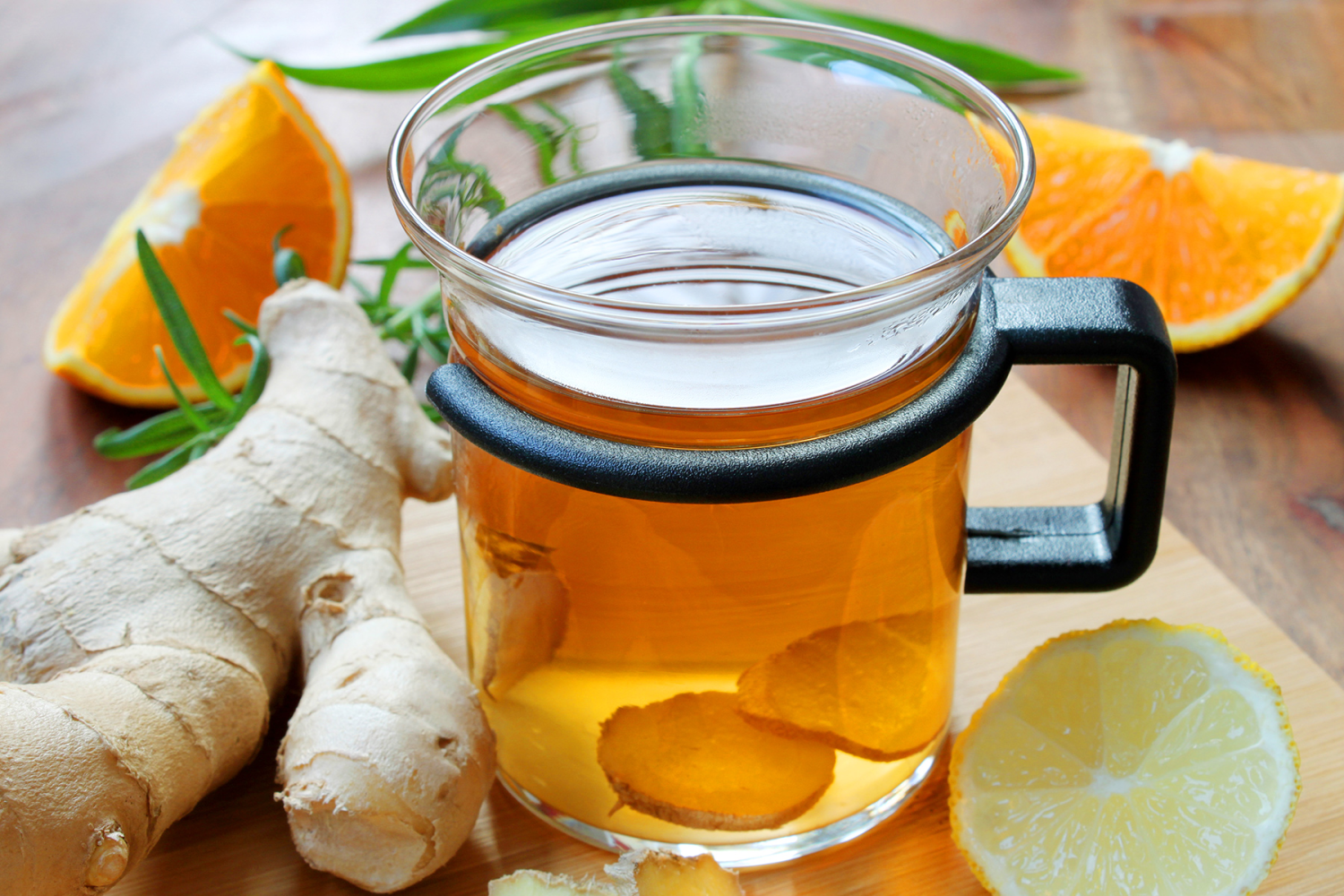
Ginger contains gingerols and shogaols that reduce inflammatory markers and joint pain in some studies. Make a simple ginger infusion by simmering sliced fresh ginger in water for 10–15 minutes. Add lemon and a touch of honey if desired. Ginger can interact with anticoagulants and may cause mild heartburn in some people.
Tart cherry juice
Tart cherry juice is known for its anthocyanins, which help reduce exercise-induced muscle inflammation and improve sleep quality. You can drink 1/2 to 1 cup daily, or use concentrated tart cherry juice if you prefer. Watch added sugars and calorie content.
Pomegranate juice
Pomegranate has potent polyphenols that reduce markers of inflammation and oxidative stress. Fresh pomegranate juice or a small daily glass can be beneficial, but avoid sweetened commercial versions.
Berry and mixed fruit smoothies
Berries like blueberries and blackberries are rich in anthocyanins and polyphenols. Blending berries with a source of omega-3s (like ground flax or chia) and a low-sugar base gives you fiber and antioxidant synergy. Prefer whole-fruit based smoothies rather than juice to preserve fiber.
Coffee (in moderation)
Coffee contains polyphenols and chlorogenic acids that can reduce inflammation and improve insulin sensitivity in moderate amounts. Aim for 1–3 cups per day depending on tolerance. Avoid adding lots of sugar and cream.
Red wine (very moderate)
Red wine contains resveratrol and other polyphenols. Small amounts (if you already drink alcohol) may have modest anti-inflammatory effects, but you shouldn’t start drinking alcohol purely for health benefits. Alcohol can also promote inflammation if consumed in excess.
Fermented drinks: kefir and kombucha
Kefir and fermented dairy or plant-based drinks supply probiotics that support gut health. Improved gut microbial balance often reduces systemic inflammation. Choose low-sugar versions and be cautious if you are immunocompromised. Kombucha may have probiotic benefits, but home-brewed versions can pose contamination risks.
Beetroot and green vegetable juices
Beetroot juice is high in nitrates which improve blood flow and may lower exercise-related inflammation. Vegetable juices with kale, spinach, celery, and cucumber provide polyphenols and micronutrients. Prefer whole-vegetable smoothies if you want fiber; if juicing, limit frequency because of concentrated sugars and oxalates.
Hydration and electrolyte balance
Plain water supports every physiological process, including detoxification and circulation. Staying well-hydrated reduces systemic stress and supports recovery. For heavy exercise or heat, include electrolytes (sodium, potassium) without excess sugar.
How to prepare and get the most from these drinks
Combine fat and black pepper with turmeric
Curcumin dissolves better in fat and is absorbed more in the presence of piperine. Mix turmeric with a healthy fat (full-fat milk, coconut milk, nut butter) and a pinch of black pepper. Heat gently to help extraction.
Use fresh ingredients where possible
Fresh ginger and turmeric provide a different phytochemical profile vs. dried powders. Fresh ingredients often taste better and can offer more robust effects.
Keep sugar minimal
Many fruit juices and commercial drinks are high in added sugar, which is pro-inflammatory. Limit added sugars and prefer whole fruit or low-sugar beverages.
Pair drinks with meals strategically
Some compounds are better absorbed with meals (curcumin with fat) while others (polyphenols) may be fine alone. Avoid green tea right after iron-rich meals if you’re iron-deficient.
Steeping and brewing times
Oversteeping green tea can increase bitterness and tannins. Steep green tea 2–3 minutes at 70–80°C (160–176°F) if you want optimal catechin content and less bitterness. For herbal infusions like ginger or turmeric, simmer 10–15 minutes to extract active compounds.
Practical recipes you can make at home
Below are easy recipes to add to your routine.
1) Golden milk (anti-inflammatory turmeric latte)
- Ingredients: 1 cup milk or plant milk, 1 tsp ground turmeric (or 1-inch sliced fresh turmeric), pinch black pepper, 1 tsp coconut oil or a small amount of nut butter, cinnamon to taste, optional honey.
- Instructions: Warm milk, whisk in turmeric, black pepper, and fat source. Simmer 4–5 minutes. Sweeten lightly if desired. Drink warm, ideally with a meal or after eating.
2) Ginger-lemon tea
- Ingredients: 2-inch fresh ginger, 1 lemon, 2 cups water, honey to taste.
- Instructions: Slice ginger and simmer in water 10 minutes. Strain, add lemon juice and honey. Drink warm or chilled.
3) Tart cherry recovery drink
- Ingredients: 1/2 cup tart cherry juice (unsweetened), 1/2 cup water or sparkling water, 1 tsp chia seeds (optional).
- Instructions: Mix and drink post-exercise or as a morning refreshment.
4) Green anti-inflammatory smoothie
- Ingredients: 1 cup spinach or kale, 1/2 cup frozen blueberries, 1 tbsp ground flaxseed, 1 cup unsweetened almond milk, 1/2 banana (optional), small piece of fresh ginger.
- Instructions: Blend until smooth. Consume immediately to preserve nutrients and fiber.
5) Beetroot athletic drink
- Ingredients: 1 small beet (washed), 1 apple, 1/2 lemon, 1-inch ginger, water.
- Instructions: Juice or blend and strain if you prefer less fiber. Drink 2–3 hours before exercise for performance benefits, or as desired.
6) Kefir smoothie (gut-supporting)
- Ingredients: 1 cup plain kefir, 1/2 cup berries, 1 tbsp chia seeds.
- Instructions: Blend and drink as part of a meal or snack. Choose low-sugar kefir options.
Timing: when to drink for best results
- Morning: Start with water and a cup of green tea or coffee if you tolerate caffeine. A green smoothie or golden milk with breakfast supplies phytonutrients and satiety.
- Pre-workout: Beet juice 2–3 hours before exercise may enhance performance and reduce exercise-related inflammation.
- Post-workout: Tart cherry juice, a protein-rich fermented drink like kefir, or a berry-flax smoothie can support recovery.
- Evening: Choose non-caffeinated options like turmeric milk or chamomile if you want calming and anti-inflammatory effects at night. Avoid alcohol close to bedtime.
Who should be cautious or avoid certain drinks
- People on blood thinners (warfarin, clopidogrel): Avoid large amounts of turmeric, ginger, and high-dose omega-3 supplements without medical advice.
- People with GERD or acid reflux: Coffee, citrus juices, and spicy turmeric preparations may trigger symptoms.
- Pregnant or breastfeeding: Large doses of concentrated turmeric and some herbal supplements should be avoided; check with your provider.
- People with autoimmune disease or immunosuppression: Probiotic drinks may not always be safe; consult your clinician.
- Diabetics: Watch the sugar content in fruit juices and kombucha.
- People with kidney stones: High-oxalate juices (spinach) in concentrated amounts can be an issue; consult a dietitian.
If you’re on medications, always check with your doctor or pharmacist about food and drink interactions.
Shopping and storage tips
- Buy fresh where possible: Fresh turmeric and ginger provide more aroma and potentially better potency.
- Look for unsweetened options: Many commercial drinks add sugar. Check labels for added sugars and choose unsweetened or low-sugar forms.
- Choose organic when concerned about pesticides: Berries, leafy greens, and other produce often carry pesticide residues.
- Store properly: Fresh juices are best consumed within 24–48 hours; frozen fruits and vegetables lock in nutrients and can be used for smoothies.
- For fermented drinks: Buy from reputable sources. If you brew at home, follow safety guidelines to avoid contamination.
Combining drinks with diet and lifestyle for maximum effect
Drinks are one piece of the puzzle. Combine them with:
- A whole-food, plant-rich diet (vegetables, fruits, whole grains, legumes, nuts).
- Regular physical activity.
- Good sleep (7–9 hours for most adults).
- Stress management (meditation, walking, social support).
- Maintaining a healthy weight.
Reducing processed foods, added sugars, and excessive alcohol will amplify the positive effects of anti-inflammatory beverages.
Sample 7-day drink plan (example to get you started)
This simple plan balances variety and practicality. Adjust based on preferences and medical guidance.
Day 1:
- Morning: Water + green tea
- Midday: Beetroot and apple juice (small glass)
- Evening: Golden milk before bed
Day 2:
- Morning: Water + small coffee
- Mid-morning: Kefir with berries (smoothie)
- Evening: Ginger-lemon tea
Day 3:
- Morning: Water + green smoothie (spinach, berries, flax)
- Afternoon: Unsweetened tart cherry juice (1/2 cup)
- Evening: Chamomile tea
Day 4:
- Morning: Water + green tea
- Pre-workout: Small beet juice (2–3 hours before)
- Post-workout: Tart cherry+protein smoothie
Day 5:
- Morning: Water + coffee or matcha
- Afternoon: Pomegranate juice (small cup)
- Evening: Golden milk or herbal tea
Day 6:
- Morning: Water + green smoothie with chia
- Midday: Unsweetened kombucha (small bottle)
- Evening: Ginger tea
Day 7:
- Morning: Water + green tea
- Afternoon: Blueberry kefir smoothie
- Evening: Warm milk with a pinch of turmeric (if tolerated)
This plan is flexible — rotate drinks based on availability and how your body responds.
Frequently asked questions
Are juices better than whole fruits?
Whole fruits contain fiber that slows sugar absorption and supports the microbiome. Prefer smoothies over juice when possible, and if you choose juice, keep portions small and unsweetened.
Can I take turmeric supplements instead of drinks?
Supplements may provide concentrated curcumin, but quality and absorption vary. Drinks like golden milk enhance bioavailability with fat and pepper. Always consult your clinician before starting high-dose supplements.
Will coffee make inflammation worse?
Moderate coffee intake (1–3 cups/day) is generally associated with reduced inflammation in many studies. Avoid excessive consumption and watch for personal sensitivity.
How much kefir or kombucha should I drink?
About 1 cup (240 mL) of kefir daily is common in studies. Kombucha can be consumed in smaller amounts (120–240 mL), especially if it’s acidic or store-bought with added sugars.
Is green juice okay every day?
Occasional green juice can be beneficial, but daily heavy juicing may provide excessive oxalates or concentrated sugars. Balance with whole greens and whole foods.
Signs you should see a healthcare professional
- If inflammation is severe, persistent, or accompanied by unexplained weight loss, fever, pain, or other concerning symptoms.
- If you plan to start high-dose supplements or make major changes while on medications (e.g., blood thinners).
- If you develop allergic reactions to any new drink ingredients (rash, swelling, difficulty breathing).
- If you’re immunocompromised and consider probiotic or fermented products.
Final practical tips
- Start small: Add one anti-inflammatory drink a day and notice how you feel.
- Monitor sugar: Use fresh ingredients and minimize added sweeteners.
- Combine strategies: Use these drinks alongside a healthy diet and lifestyle for the best results.
- Personalize: Pay attention to how your body reacts; you may tolerate some drinks better than others.
- Consult professionals: Talk to your doctor or a registered dietitian if you have chronic conditions or take medications.
Summary
You can use several drinks to support a lower-inflammatory lifestyle: green tea, turmeric-based drinks, ginger tea, tart cherry and pomegranate juices, berry smoothies, fermented drinks like kefir, beet and green juices, and plain hydration. Each has specific benefits, preparation tips, and cautions. Choose whole-food approaches, limit added sugars and alcohol, and combine drinks with broader dietary and lifestyle changes for sustained benefits.
If you want, I can create a personalized 7-day drink and meal plan based on your preferences, medical history, and goals. Which of these drinks do you currently have access to or like most?