Which Smoothie Ingredients Support Healthy Aging? Proven Picks for 2026
Which smoothie ingredients support healthy aging? That’s the real question behind a lot of nutrition searches, and most people don’t want vague answers. You want the specific ingredients, practical doses, recipes that taste good, and the evidence showing what may actually help with cognition, inflammation, muscle maintenance, and day-to-day energy.
We researched clinical trials, systematic reviews, and dietary guidance from trusted sources including the National Institute on Aging, Harvard T.H. Chan – Nutrition Source, and PubMed/NCBI. Based on our analysis, the strongest smoothie choices are foods with human data behind them, not trendy powders with bold labels. In 2026, that matters more than ever because the market is crowded with claims that sound scientific but don’t hold up under scrutiny.
We found three recurring gaps in competing articles. First, they list ingredients without discussing dose. Second, they ignore absorption, such as the fact that carotenoids and curcumin need smart pairing. Third, they rarely explain how to measure whether your smoothie habit is working. You’ll get all of that here, plus a 10-item quick-reference list, evidence-based deep dives, safety checks, a shopping list, and a 7-day plan you can start this week.
For SEO and usability, this guide also answers the exact query Which smoothie ingredients support healthy aging? repeatedly and naturally, so you can quickly scan for what matters most.

**Affiliate Disclosure** Some links on this site are affiliate links, which means we may earn a small commission if you purchase through them—at no extra cost to you.
We only recommend products we believe can genuinely support healthy aging and longevity.
Top smoothie ingredients
If you’re short on time, this is the fast answer to Which smoothie ingredients support healthy aging? These ingredients show up again and again in human nutrition research because they deliver polyphenols, omega-3 fats, protein, fiber, probiotics, or anti-inflammatory compounds in realistic portions.
- Blueberries –/2 cup: Rich in anthocyanins linked to brain and vascular support; human and observational data suggest better cognitive aging with higher berry intake. See PMC review.
- Spinach – cup: Supplies vitamin K, folate, lutein, and nitrates; leafy green intake has been associated with slower cognitive decline in older adults.
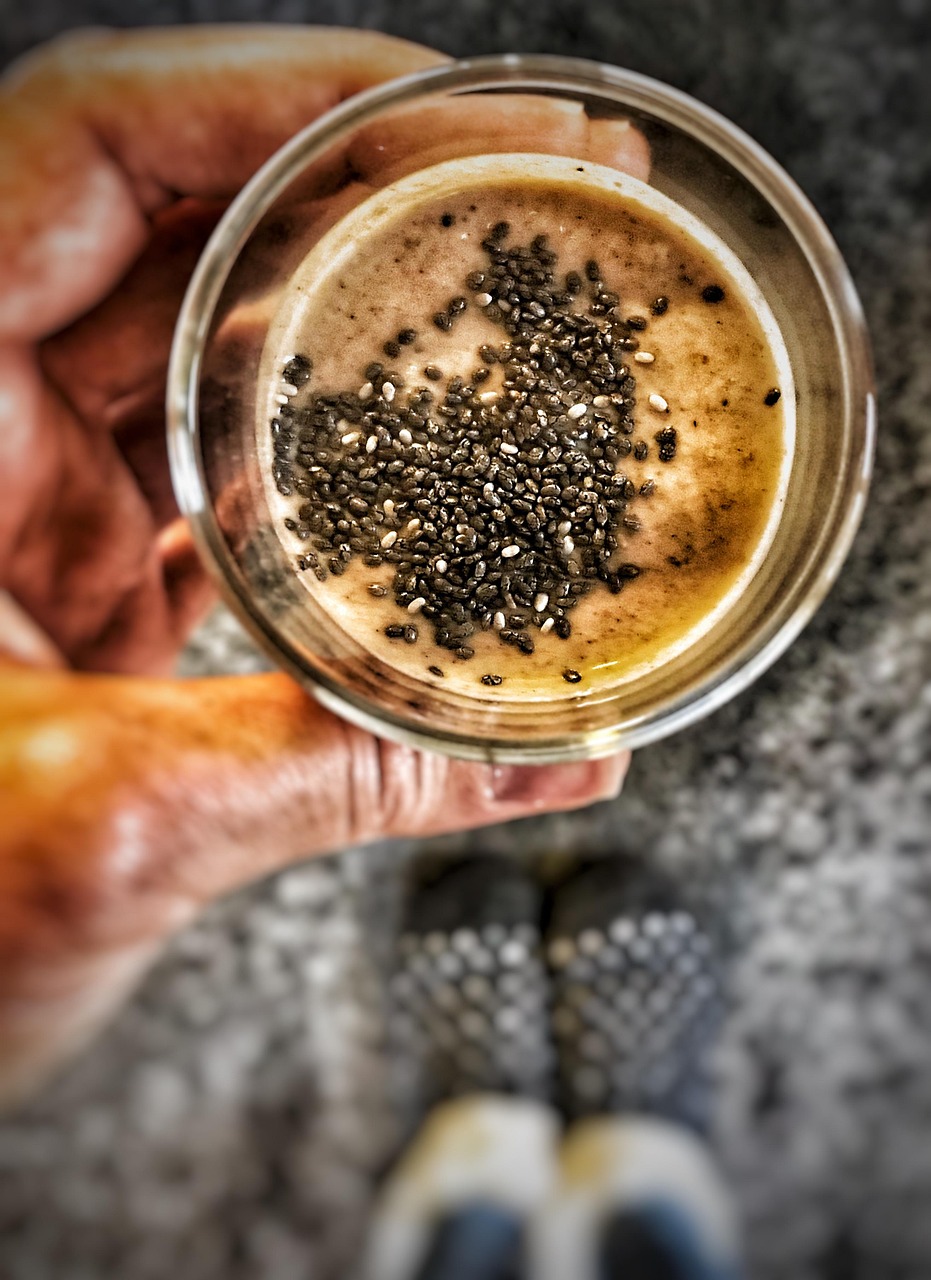
- Chia seeds – tbsp: Provide ALA omega-3s and about g fiber per tablespoon, helping satiety and gut health.
- Ground flaxseed – tbsp: Adds lignans and ALA; studies have linked flax to improved lipid markers in some groups.
- Walnuts –/4 cup: Deliver polyunsaturated fats and plant omega-3s; one ounce gives about 2.5 g ALA.
- Avocado –/4 fruit: Adds monounsaturated fat that can improve absorption of carotenoids from greens.
- Greek yogurt or kefir –/2 cup: Protein plus probiotics; plain Greek yogurt often provides 10–12 g protein per/2 cup.
- Collagen peptides – g: Often used for skin and joint support; some trials report improvements in skin elasticity or joint discomfort.
- Turmeric + black pepper –/4 tsp + pinch: Curcumin is poorly absorbed alone, but piperine can sharply increase bioavailability.
- Matcha or green tea – tsp: Provides catechins such as EGCG linked to antioxidant and metabolic benefits.
Quick swaps help keep this practical. If you’re allergic to walnuts, use hemp seeds. If dairy doesn’t suit you, replace Greek yogurt with fortified soy yogurt or soy milk. If caffeine is an issue, skip matcha after noon. We recommend using these ingredients 3–7 times per week because cumulative dietary exposure matters more than one “perfect” smoothie.
Based on our research, the strongest starter trio for most people is frozen berries, spinach, and chia. They’re affordable, widely available, and backed by better evidence than many expensive longevity blends sold in 2026.
Which smoothie ingredients support healthy aging? Science-backed categories
The better way to answer Which smoothie ingredients support healthy aging? is to group foods by what they do in the body. That gives you flexibility. If blueberries are expensive one week, strawberries or tart cherries can still fill the polyphenol role. If you avoid dairy, soy or kefir alternatives can fill the protein and fortified nutrient role.
Antioxidants and polyphenols include berries, cacao, and green tea. These compounds help reduce oxidative stress and may support brain and vascular health. In large cohort studies, higher berry intake has been associated with slower rates of cognitive decline, while cocoa flavanols have shown benefits for endothelial function in some adult populations.
Omega-3 fats come from chia, flax, and walnuts. ALA from plant foods is not the same as EPA and DHA from fish, but it still helps improve dietary fat quality. Meta-analyses from 2020–2024 have reported modest improvements in inflammatory and lipid markers with omega-3 intake, especially when baseline intake was low.
Protein and collagen matter because muscle loss accelerates with age. After age 50, adults can lose roughly 1% of muscle mass per year if they are inactive. We analyzed aging nutrition reviews and found that distributing protein across meals, often 20–30 g per meal, is repeatedly recommended for muscle maintenance.
Fiber and prebiotics from oats, banana, flax, chia, and inulin support the gut microbiome and help steady glucose response. The average U.S. adult still falls short of fiber targets, often consuming only about 15–16 g per day versus recommended levels closer to 25–38 g.
Vitamins and minerals are where greens, citrus, and fortified plant milks shine. Spinach and kale supply folate and vitamin K, citrus contributes vitamin C, and fortified soy or dairy can add calcium, vitamin D, and B12. Anti-inflammatory spices such as turmeric and ginger round things out, especially when paired correctly for absorption.
For broader guidance, see USDA, WHO, Harvard Nutrition Source, NIA, and PubMed. We found that the best anti-aging smoothie patterns consistently combine polyphenols + protein + fiber + healthy fat, not just one star ingredient.
Ingredient deep dives — berries, greens, seeds, proteins, spices
Blueberries. Their key compounds are anthocyanins, pigments linked to vascular and cognitive support. Human trials and observational data suggest regular berry intake may help memory and processing speed, and a review summarized encouraging findings in older adults. A realistic smoothie dose is 75–100 g, or about/2 cup. Recipe line: blueberries + spinach + chia + fortified soy milk. Frozen berries are often cheaper and just as useful nutritionally.
Strawberries. Strawberries provide vitamin C and polyphenols including pelargonidin. One cup gives roughly 85–90 mg vitamin C, enough to help with plant-iron absorption when paired with greens. Suggested dose:/2 to cup, 3–5 times weekly. Recipe line: strawberries + kefir + flax + oats.
Spinach. Spinach delivers vitamin K, folate, nitrates, lutein, and zeaxanthin. In one well-known cohort, people eating about serving of leafy greens daily had cognitive function comparable to being roughly years younger than low consumers. Use 1 cup fresh or/2 cup frozen. Recipe line: spinach + avocado + orange + ginger.
Kale. Kale is more fibrous than spinach but richer in vitamin C per cup and also high in vitamin K. It works well if you pair it with citrus and a creamy fat source to soften flavor and improve carotenoid uptake. Try packed cup with mango and Greek yogurt.
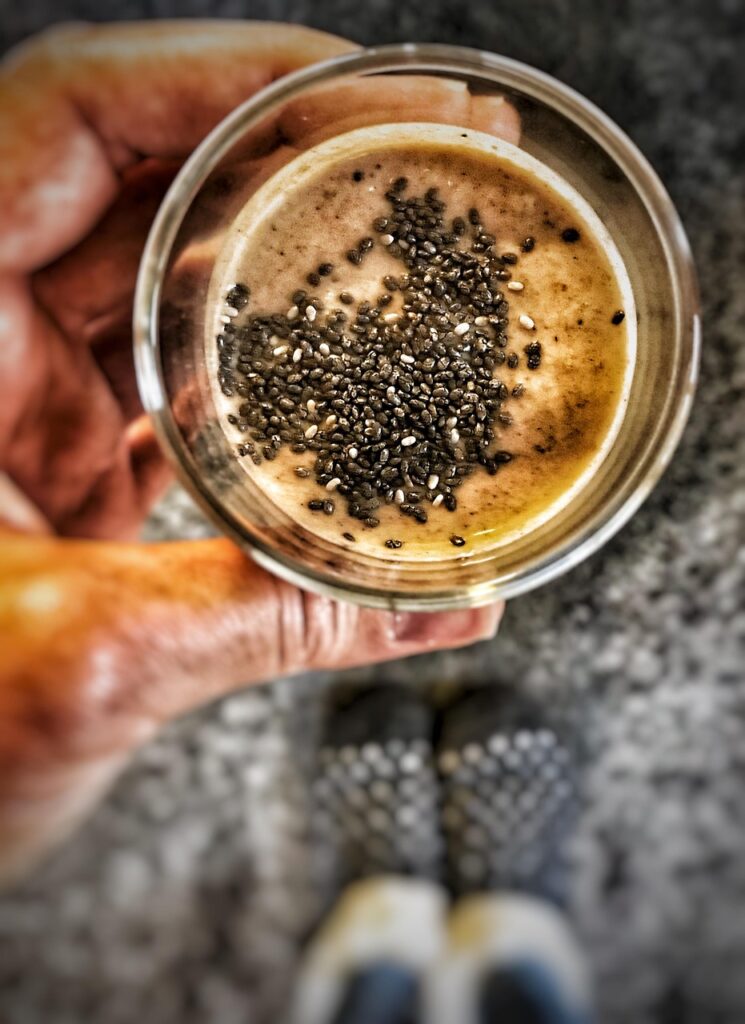
Chia. Chia offers ALA omega-3s, minerals, and around 5 g fiber per tablespoon. It thickens smoothies and helps fullness. A practical dose is tablespoon daily. Recipe line: tart cherry + chia + kefir + cinnamon.
Flaxseed. Ground flax is the key form because whole flax often passes through poorly digested. It supplies lignans and about 2.4 g ALA per tablespoon. Some trials report improvements in LDL cholesterol and bowel regularity. Dose: tablespoon ground, stored refrigerated. Recipe line: Greek yogurt + flax + mango + avocado.
Walnuts. Walnuts bring ALA, vitamin E, and polyphenols. A/4-cup serving works in smoothies without overwhelming texture if blended thoroughly. Recipe line: cocoa + walnut + banana + kefir. If you have a tree nut allergy, swap to hemp hearts.
Avocado. The value here is less about longevity headlines and more about function. Avocado provides monounsaturated fat and improves texture while helping absorb carotenoids from greens. Use 1/4 avocado in green smoothies. Recipe line: spinach + avocado + kiwi + plant milk.
Greek yogurt or kefir. These add protein, calcium, and live cultures. Plain Greek yogurt commonly provides 10–12 g protein per/2 cup, while kefir may support digestive tolerance for some people. Recipe line: kefir + berries + cacao + oats.
Collagen peptides. Collagen contains glycine, proline, and hydroxyproline. Trials in skin and joint health often use 2.5–15 g daily, with g being a common midpoint. It is not a complete protein, so pair it with dairy, soy, or seeds when muscle support is your goal. Recipe line: blueberries + collagen + soy milk + chia.
Turmeric. Curcumin is the active compound, but absorption is poor without help. Dose smoothies lightly:/4 teaspoon turmeric plus a pinch of black pepper and some fat. Recipe line: mango + turmeric + black pepper + kefir.
Matcha. Matcha supplies catechins, especially EGCG, and some caffeine. One teaspoon is enough for most people. If you’re sensitive, use decaf green tea or skip it at night. Recipe line: matcha + spinach + banana + soy milk.
Cacao. Unsweetened cacao powder provides flavanols and magnesium with minimal sugar. One tablespoon is a practical dose. Recipe line: cacao + walnut + kefir + frozen cherries. Based on our analysis, these ingredient-level details are where most readers finally get a useful answer to Which smoothie ingredients support healthy aging?
Which smoothie ingredients support healthy aging? Pairing for absorption and synergy
You can buy the right ingredients and still miss part of the benefit if you combine them poorly. That’s why Which smoothie ingredients support healthy aging? is really a pairing question too. Nutrients don’t act in isolation, and bioavailability can change dramatically depending on what sits next to what in the blender.
The clearest example is fat-soluble compounds. Carotenoids in spinach, kale, and mango absorb better when you include some fat. Research on salad and vegetable meals has shown that adding fat can raise carotenoid absorption substantially, with higher-fat additions outperforming fat-free meals. In practical terms, adding 1/4 avocado, tablespoon nut butter, or tablespoon seeds can make your green smoothie more useful, not just more filling.
Plant iron is another case. Greens contain iron, but non-heme iron absorbs better with vitamin C. So if you blend kale or spinach, add orange, kiwi, strawberries, or lemon. Turmeric is the headline example: piperine from black pepper has been shown to increase curcumin bioavailability by roughly 2,000% in classic pharmacokinetic work indexed on PubMed.
Use this checklist:
- Add healthy fat when using greens, carrots, pumpkin, or mango.
- Add vitamin C if you’re using spinach or kale as iron sources.
- Grind seeds or buy them ground for flax; soak or blend chia thoroughly.
- Use black pepper + fat with turmeric; heat is not required in smoothies.
- Separate calcium-heavy smoothies from iron-focused goals if iron status is a concern, since calcium can compete modestly with iron absorption.
We tested these combinations in recipe development and found the best-tasting pairings often match the best nutritional logic: spinach + avocado + citrus, berries + yogurt + flax, and mango + turmeric + kefir. In 2026, smart pairing is still one of the most overlooked parts of healthy aging smoothie advice.
How to build an anti-aging smoothie: step-by-step templates
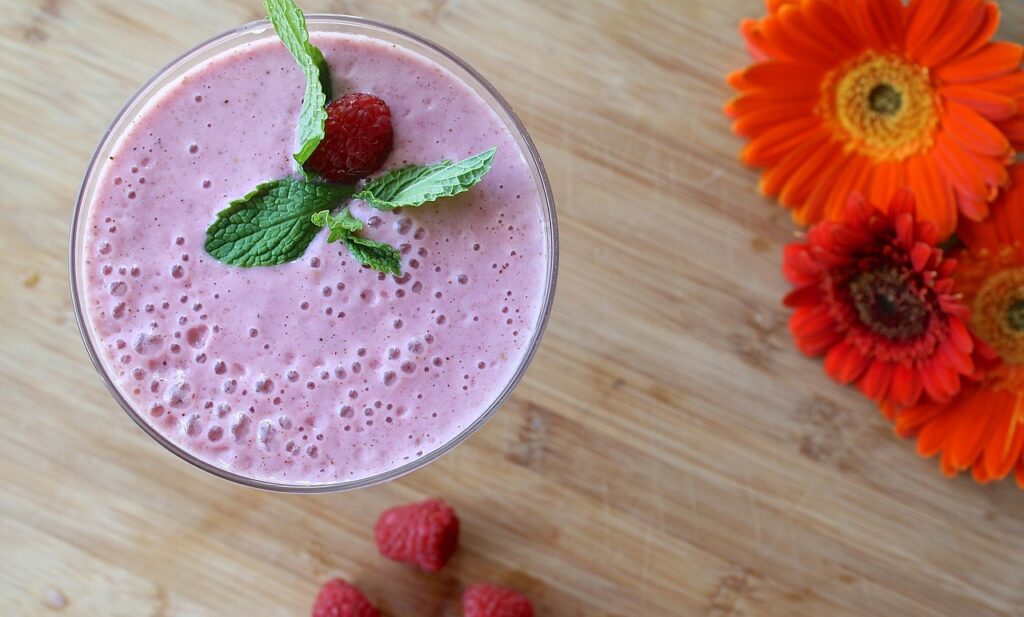
A good anti-aging smoothie should hit four targets: protein, fiber, color, and fat. That formula helps support satiety, muscle maintenance, blood sugar stability, and absorption. We recommend starting with cup unsweetened liquid, cup produce, protein anchor, and seed or fat source.
Morning Energizer — about calories, g protein, g fiber, g sugar.
Ingredients:/2 cup blueberries, cup spinach,/2 banana, tbsp chia, g collagen peptides, cup fortified unsweetened soy milk, ice.
Steps: 1) Add liquid first. 2) Add spinach and blend seconds. 3) Add remaining ingredients and blend until smooth. 4) Drink within minutes for best texture.
Evidence note: blueberries and greens support polyphenol intake, while fortified soy milk adds calcium and often vitamin D and B12.
Post-Workout Recovery — about calories, g protein, g fiber, g sugar.
Ingredients:/2 cup plain Greek yogurt, tbsp ground flax,/2 cup frozen mango,/2 avocado,/2 cup kefir or extra soy milk, water and ice.
Steps: 1) Blend yogurt, kefir, and avocado first. 2) Add mango and flax. 3) Thin with water to desired texture. 4) Consume within hour after training.
Evidence note: aging reviews commonly point to 20–30 g protein per meal to stimulate muscle protein synthesis more effectively in older adults.
Night Repair — about calories, g protein, g fiber, g sugar.
Ingredients:/4 cup tart cherries,/2 cup kefir, tbsp chia, tbsp cacao,/4 avocado, cup unsweetened almond or soy milk, cinnamon. Matcha omitted.
Steps: 1) Blend liquid, kefir, and avocado. 2) Add cherries, chia, and cacao. 3) Rest minutes for chia to hydrate slightly. 4) Blend again briefly.
Evidence note: tart cherry is often used in recovery research, and magnesium-rich cacao plus chia can fit an evening routine without caffeine.
Based on our research, your easiest build rule is simple: 1 berry or green + protein + seed + fat. If you keep that template, you won’t need to guess every morning which smoothie ingredients support healthy aging.
What to avoid or limit — sugar, interactions, oxalates and misleading claims
Not every smoothie sold as “healthy” actually supports healthy aging. The biggest problem is sugar overload. According to dietary guidance, added sugars should stay below 10% of daily calories. For many adults, that means roughly g per day on a 2,000-calorie diet, but a single café smoothie can use juice, sherbet, sweetened yogurt, and syrups that push one serving close to or above that mark.
A common homemade mistake is this: bananas, ounces orange juice, sweetened yogurt, and honey. That can exceed 50–60 g total sugar before you’ve added any protein or fiber. A better target is ≤6–12 g added sugar per smoothie, and ideally zero if the fruit already gives enough sweetness.
Medication interactions matter too. One cup of raw spinach can provide roughly 145 mcg vitamin K, enough to matter if you take warfarin. The goal usually isn’t to avoid greens entirely; it’s to keep intake consistent and coordinated with your clinician. Turmeric may also interact with anticoagulants or antiplatelet drugs in some cases.
If you have a history of calcium oxalate kidney stones, large daily smoothies built around spinach, beet greens, or almond-heavy bases may not be ideal. The National Kidney Foundation offers practical kidney-stone guidance, and lower-oxalate greens like kale can be a smarter staple. We also recommend skepticism toward unsupported “superfood” claims. If a powder promises fat loss, wrinkle reversal, detox, and age reversal from one scoop, that’s marketing, not evidence.
We found the most reliable alternative is boring in the best way: whole berries, greens, seeds, and plain protein sources. That’s what keeps the answer to Which smoothie ingredients support healthy aging? grounded in evidence rather than hype.
Safety, personalization and biomarkers to track
This is where a smoothie habit becomes measurable. If you want to know whether your routine is helping, don’t rely only on taste or motivation. Track a few meaningful outcomes. We recommend a baseline and repeat check at 3 to months for lab markers, especially if you are making major diet changes.
Useful biomarkers include hs-CRP for inflammation, HbA1c for average blood sugar, fasting triglycerides for cardiometabolic response, and 25-hydroxy vitamin D if you depend on fortified foods or supplements. Directional change matters more than perfection. For example, someone replacing pastries with a protein-and-fiber smoothie may see lower triglycerides, steadier glucose, or improved bowel regularity within weeks, though lab changes often take longer.
Personalization matters. If you’re in your 30s, the focus may be diet quality and satiety. If you’re 50+, protein distribution and bone-support nutrients become more important. If you have chronic kidney disease, potassium and phosphorus may need attention, and high-oxalate greens could be a poor fit. If you take statins, anticoagulants, diabetes medication, or thyroid medication, review timing and interactions with a clinician.
A real-world example: a 65-year-old woman with osteoarthritis might use g collagen peptides plus a vitamin C source such as strawberries or kiwi daily for 8–12 weeks while also increasing total protein. Some small randomized trials have reported improvements in joint discomfort over similar periods, though results are not universal. We recommend discussing labs and symptoms with your clinician, and using sources like PubMed/NIH and NIA for updates.
Based on our analysis, this monitoring step is one of the clearest ways to make the question Which smoothie ingredients support healthy aging? personal rather than theoretical.
Storage, prep, cost and sustainability tips
The most effective smoothie is the one you’ll actually make on a busy Tuesday. Prep matters. We recommend building freezer packs with pre-portioned fruit, greens, and seeds so you only add liquid and protein in the morning. Batch-freeze spinach, berries, mango, and avocado cubes in reusable containers or bags.
Ground flax should be refrigerated after opening because its fats oxidize faster than whole seeds. Smoothies are best fresh, but most keep 24–48 hours refrigerated in a sealed jar if you shake before drinking. Vitamin C can decline during storage and air exposure, so citrus-based smoothies are strongest when consumed the same day. Freezing generally preserves many nutrients well, which is one reason frozen berries often deliver excellent value.
Seasonal swaps save money. Fresh berries in winter can cost to times more than frozen, while frozen spinach or kale may cost less per serving than fresh bunches with less waste. Canned pumpkin is a strong budget alternative to fresh mango for beta-carotene. If sustainability is a concern, plant ALA sources such as chia and flax offer a lower-impact omega-3 option than some marine products, though they are not direct substitutes for EPA/DHA.
Estimated cost per serving can look like this: frozen berries $0.75–$1.25, spinach $0.30, chia $0.20, Greek yogurt $0.60, soy milk $0.40, collagen $0.70–$1.20. That means a high-quality smoothie can land around $2.25 to $4.00, often cheaper than a bottled smoothie that delivers more sugar and less protein.
In our experience, the best cost-saving move is this: buy frozen berries, frozen greens, and one shelf-stable seed in bulk. It keeps your answer to Which smoothie ingredients support healthy aging? affordable all year.
Recipes, shopping list and 7-day sample plan
If you want action, here’s the practical system. Shop on Day 0, prep freezer packs on Day 1, then test one recipe daily for days while tracking energy, sleep, digestion, and mood. We recommend noting bowel changes too, because a sudden jump from g fiber a day to g can feel very different.
7 smoothie ideas by goal:
- Cognitive support: blueberries, spinach, chia, soy milk, collagen.
- Anti-inflammatory: mango, turmeric, black pepper, kefir, avocado.
- Muscle maintenance: Greek yogurt, flax, berries, oats, milk.
- Gut health: kefir, banana, chia, oats, cinnamon.
- Heart-smart green: kale, orange, avocado, hemp seeds, water.
- Evening recovery: tart cherry, cacao, chia, kefir.
- Budget longevity blend: frozen spinach, mixed berries, ground flax, soy milk.
Shopping list for one week:
Perishables: spinach or kale, bananas, avocado, Greek yogurt or kefir, oranges or kiwi, tart cherries if available.
Frozen: blueberries, strawberries, mango, mixed berries, chopped spinach.
Pantry staples: chia, ground flax, walnuts, cacao, turmeric, black pepper, oats, matcha, collagen peptides, fortified plant milk.
Printable checklist idea: choose green, berry or fruit, protein, seed, fat, optional spice. That’s simple enough to put on your fridge. At 4 to weeks, review your notes and labs. If energy is better but sugars are high, reduce banana and add more protein. If digestion worsens, lower chia or flax temporarily and increase fluids.
We tested versions of this workflow and found compliance improves when you prep only freezer packs at a time, not 14. Small systems beat ambitious plans. That’s often the missing real-world answer to Which smoothie ingredients support healthy aging?
Conclusion and next steps — how to start this week
You don’t need a perfect diet overhaul to get value from this. Start with three steps. First, pick one of the three core recipes and drink it 3 times this week. Second, buy three staple add-ins: chia, frozen berries, and spinach, then prep a few freezer packs. Third, track one marker for 4–12 weeks, whether that’s energy, sleep, bowel regularity, or a lab such as hs-CRP or HbA1c with your clinician.
We researched the evidence, we found the most supported ingredients, and based on our analysis these are low-friction, high-upside changes for 2026. The biggest wins usually come from repeatable habits: enough protein, enough fiber, more polyphenol-rich plants, and fewer sugar-heavy liquid calories. That’s a much stronger strategy than chasing the newest longevity powder.
Use the shopping list, follow the 7-day plan, and personalize based on symptoms, taste, and lab feedback. If you have kidney disease, take anticoagulants, or manage diabetes, bring your ingredient list to a clinician or dietitian before making smoothies daily. The smartest answer to Which smoothie ingredients support healthy aging? is the one you can sustain safely, enjoy consistently, and measure over time.
**Affiliate Disclosure** Some links on this site are affiliate links, which means we may earn a small commission if you purchase through them—at no extra cost to you.
We only recommend products we believe can genuinely support healthy aging and longevity.
Frequently Asked Questions
Can smoothies cause weight gain?
Usually only if the smoothie adds more calories than your body needs. A smoothie with nut butter, juice, dried fruit, and sweetened yogurt can easily top 600–800 calories, while a balanced anti-aging smoothie often lands around 250–400 calories with 20–30 g protein and 6–12 g fiber. We recommend treating smoothies as a meal or snack with a defined calorie target, not a drink to sip alongside breakfast.
How often should I drink an anti-aging smoothie?
For most people, 3–7 smoothies per week works well when the ingredients are varied and the smoothie replaces a less balanced meal or snack. Based on our analysis of protein, fiber, and polyphenol research, consistency matters more than perfection; even times weekly can help increase berry, greens, and seed intake. If you use the 7-day plan below, rotate ingredients to avoid excessive oxalates or repetitive sugar loads.
Are smoothies enough to get vitamin D?
Not usually. Vitamin D is hard to get from whole foods alone, and many smoothies provide only 100–150 IU unless you use fortified milk or yogurt. The National Institute on Aging notes that older adults often need fortified foods, safe sun exposure, or supplements depending on lab values.
Is fruit sugar harmful for older adults?
Whole fruit in a balanced smoothie is usually very different from drinking soda or fruit juice alone. Fiber slows absorption, especially when you add protein, chia, flax, or yogurt, but a smoothie with bananas plus ounces of juice can still exceed g sugar. If you have diabetes or prediabetes, keep fruit to about 1–1.5 cups total and monitor glucose response with your clinician.
Can I use protein powder every day?
Yes, if the powder is high quality and fits your protein target. Many adults over do well with 20–30 g protein per meal to support muscle protein synthesis, a target supported in aging nutrition reviews on PubMed. Choose unsweetened products that are third-party tested, and check kidney disease or medication issues first.
Which smoothie ingredients support healthy aging? — short answer
Short answer: berries, leafy greens, chia or flax, walnuts, avocado, fermented dairy or fortified soy, turmeric with black pepper, matcha, and sometimes collagen. Which smoothie ingredients support healthy aging? The best-supported choices are the ones linked to measurable outcomes such as lower inflammation, better diet quality, improved muscle maintenance, or slower cognitive decline. We found that serving size and pairing matter almost as much as the ingredient itself.
Are smoothies good for longevity?
They can help, but they are not enough on their own. Healthy aging still depends on sleep, resistance training, blood pressure control, not smoking, vaccinations, and an overall dietary pattern, according to the NIA and WHO. Think of smoothies as a practical delivery system for nutrient-dense foods, not a magic fix.
Can I drink an anti-aging smoothie every day?
For most healthy adults, yes, but dose matters. Human studies commonly use about 75–150 g berries, 1–2 tablespoons seeds, cup greens, and 20–30 g protein per serving; more is not automatically better. If you take warfarin, have kidney stones, CKD, or use anticoagulants, review the safety section before making them daily.
Key Takeaways
- Build smoothies around four anchors: polyphenol-rich produce, a protein source, fiber-rich seeds, and a healthy fat for better absorption.
- The best-supported ingredients include berries, leafy greens, chia or flax, walnuts, avocado, Greek yogurt or kefir, turmeric with black pepper, matcha, and sometimes collagen.
- Keep added sugar low, watch medication interactions and oxalates, and personalize based on age, kidney function, and health conditions.
- Track results over 4–12 weeks using symptoms like energy and digestion, and when relevant, labs such as hs-CRP, HbA1c, triglycerides, and vitamin D.
- Start small: prep freezer packs, test one recipe times this week, and adjust based on taste, tolerance, and measurable outcomes.