Spirulina Benefits of Nature’s Most Nutritious Superfood
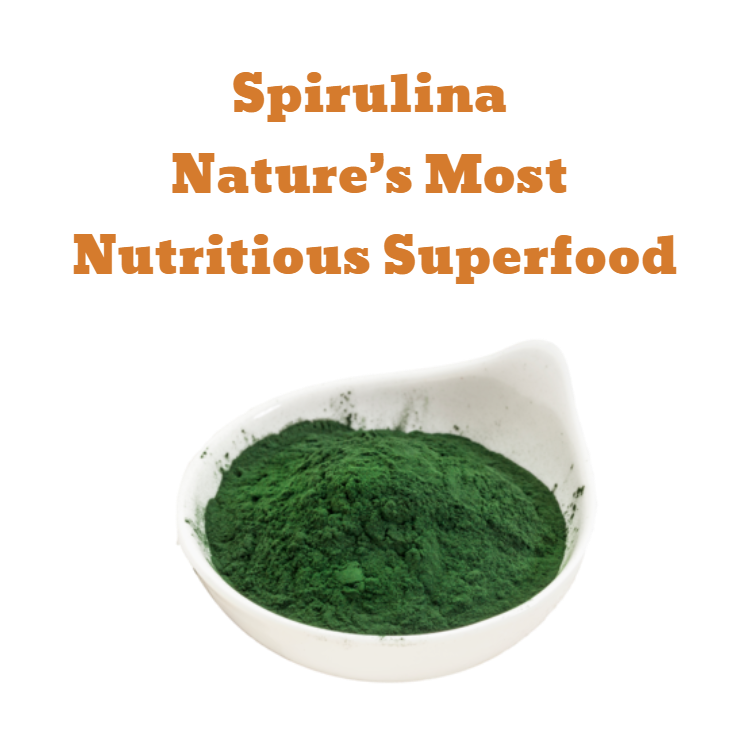
Spirulina is a blue‑green microalga prized for its dense nutrient profile and long history as a dietary supplement. You’ll find it marketed as a concentrated source of protein, vitamins, minerals, and biologically active pigments that support antioxidant, anti‑inflammatory, and metabolic processes.
What spirulina is and why it matters
Spirulina refers primarily to Arthrospira species, microscopic cyanobacteria that grow naturally in alkaline lakes and are cultivated commercially in controlled pools. You’ll benefit from its nutrient density because, gram for gram, spirulina supplies a broad array of macronutrients and micronutrients in a compact form, making it useful for people who want efficient nutrition without large volumes of food.
Nutritional profile: what spirulina delivers
Understanding the nutrient profile helps you decide where spirulina fits in your diet. Nutrient values vary by strain, growing conditions, and processing, so treat published numbers as typical ranges rather than exact guarantees.
Typical nutrient composition per 100 grams (dried)
Below is a summary table of typical ranges that you can expect from high‑quality dried spirulina. Use this to compare spirulina to other supplements and whole foods.
| Nutrient (approx. per 100 g dried) | Typical amount / range |
|---|---|
| Energy | 290–400 kcal |
| Protein | 50–70 g (complete amino acid mix) |
| Total fat | 6–12 g |
| Carbohydrates | 15–25 g |
| Dietary fiber | 1–8 g |
| Iron | 10–30 mg |
| Calcium | 100–200 mg |
| Magnesium | 100–200 mg |
| Potassium | 800–1,400 mg |
| Vitamin B1 (Thiamine) | 1–3 mg |
| Vitamin B2 (Riboflavin) | 2–4 mg |
| Vitamin B3 (Niacin) | 10–15 mg |
| Vitamin B12 (analogs) | Variable; may include inactive analogs |
| Phycocyanin (pigment) | Significant; varies by product |
| Gamma‑linolenic acid (GLA) | Small amounts in some strains |
You should note that spirulina’s vitamin B12 content often consists of B12 analogues that are not active in humans; if you rely on spirulina as your only B12 source, you should verify B12 status with your clinician.
Key bioactive compounds and how they work
You’ll get more than just vitamins and minerals from spirulina—its bioactives are central to many reported benefits.
Phycocyanin: the signature antioxidant pigment
Phycocyanin is the blue pigment that gives spirulina its color and many of its therapeutic properties. You’ll experience antioxidant and anti‑inflammatory effects from phycocyanin, which scavenges free radicals and modulates inflammatory signaling pathways.
Essential fatty acids and other molecules
Spirulina contains modest amounts of essential fatty acids such as gamma‑linolenic acid (GLA) and other lipid constituents that can support membrane health and inflammatory balance in your body. You’ll also find pigments like carotenoids and chlorophyll, which add antioxidant capacity.
High‑quality protein and amino acids
Spirulina is unusually protein‑rich for a plant source. You’ll benefit from a broad amino acid profile including essential amino acids; this makes spirulina a useful supplemental protein source for vegetarians, vegans, and athletes, especially when paired with a varied diet.
Evidence‑based health benefits
Scientific research on spirulina includes human trials, animal studies, and in vitro investigations. While research quality varies, several consistent themes emerge that may be relevant to your goals.
Antioxidant and anti‑inflammatory effects
You will likely notice improved markers of oxidative stress and inflammation with spirulina supplementation in many trial settings. Phycocyanin and other antioxidants reduce reactive oxygen species and downregulate inflammatory mediators, which can support cellular resilience.
Cardiometabolic support: lipids, blood pressure, and glucose
Studies suggest that spirulina may help reduce LDL cholesterol and triglycerides while modestly raising HDL in some populations. You may also observe small reductions in systolic and diastolic blood pressure and modest improvements in blood glucose and insulin sensitivity. These effects are more pronounced in people with elevated baseline risk factors.
Immune modulation
Spirulina appears to modulate immune function by enhancing natural killer cell activity, increasing production of certain cytokines, and supporting antibody responses. If you want to support immune resilience, spirulina may be a reasonable adjunct, but remain cautious if you have autoimmune conditions because immune stimulation could be counterproductive in some cases.
Endurance and exercise performance
You may experience improved endurance and recovery with spirulina supplementation, likely due to its antioxidant capacity, nitric oxide‑modulating effects, and nutrient density. Athletes sometimes report reduced exercise‑induced oxidative stress and fatigue.
Anemia and iron status
Because spirulina contains iron in a bioavailable form and supports hemoglobin formation, you could use it to support iron status—especially if you are a vegetarian or have low dietary iron intake. However, you should confirm iron deficiency through laboratory testing rather than self‑treat.
Forms of spirulina and how to choose
Spirulina is available in several formats—each offers advantages depending on your preferences and lifestyle.
Common forms: powder, tablets, capsules, flakes
Powder gives you flexibility to mix spirulina into smoothies, dressings, or recipes. Tablets and capsules are convenient and mask the intense flavor. Flakes may be used as a topping. You’ll choose based on taste tolerance, convenience, and dosing convenience.
Extracts and concentrated phycocyanin products
Some products concentrate phycocyanin for targeted antioxidant or therapeutic use. You’ll pay a premium for concentrated extracts, and they may be useful when you want the pigment’s effects without as much bulk or taste.
How to determine quality and purity
Look for brands that disclose cultivation methods, species (Arthrospira platensis or Arthrospira maxima), and third‑party testing results. You’ll do well to choose products with Certificates of Analysis (COAs) for heavy metals, microcystins, and microbial contamination.
Recommended doses and practical usage
Appropriate dosing depends on your goals, product concentration, and tolerance.
General dosing recommendations
A typical starting dose is 1–3 grams per day for general health benefits. For specific therapeutic aims, studies have used doses from 1 gram to 8 grams daily. You should start at a lower dose to assess tolerance and gradually increase as needed while observing for side effects.
Dosing table by goal
| Goal | Typical dose range | Notes |
|---|---|---|
| General nutrition | 1–3 g/day | Good starting point for micronutrient support |
| Immune support | 2–4 g/day | Monitor autoimmune symptoms if present |
| Cardiometabolic support | 2–6 g/day | Often studied in adults with dyslipidemia or hypertension |
| Athletic performance | 1–5 g/day | Combine with hydration and balanced diet |
| Clinical/therapeutic trials | Up to 8 g/day | Only under guidance and monitoring |
You should consult a healthcare professional for personalized dosing, especially if you have medical conditions or take concurrent medications.
Safety, side effects, and contraindications
Spirulina is safe for many people when produced and consumed responsibly, but you must be aware of potential risks.
Common mild side effects
You might experience mild gastrointestinal symptoms—such as bloating, nausea, or diarrhea—especially when starting supplementation. These often resolve within days to weeks after adjusting the dose.
Contamination risks: microcystins and heavy metals
Improperly cultivated spirulina can be contaminated with microcystins (toxins from other cyanobacteria) and heavy metals like lead, arsenic, or mercury. You will mitigate this risk by selecting products with independent lab tests confirming contaminant absence and by buying from reputable manufacturers that cultivate in controlled facilities.
Contraindications and cautionary use
- Autoimmune disease: Because spirulina can stimulate immune activity, consult your clinician if you have conditions like multiple sclerosis, lupus, or rheumatoid arthritis.
- Phenylketonuria (PKU): Spirulina contains phenylalanine; avoid it if you have PKU or confirm suitability with your metabolic specialist.
- Pregnancy and breastfeeding: Evidence is limited; you should discuss safety with your obstetrician or midwife before starting spirulina during pregnancy or lactation.
- Blood thinners and immune modulators: If you take anticoagulants (e.g., warfarin) or immunosuppressive agents, review interactions and nutrient effects with your prescriber.
Allergies and hypersensitivity
You should stop spirulina and seek care if you experience allergic reactions such as rash, itching, or respiratory symptoms. Allergies are uncommon but possible.
How spirulina compares to other algae and plant proteins
Comparing spirulina to chlorella, seaweeds, and plant proteins clarifies its best uses.
Spirulina versus chlorella
Spirulina (a cyanobacterium) and chlorella (a green alga) differ in cell wall structure and nutrient content. You’ll find chlorella has higher chlorophyll and may require cell wall disruption for digestibility, whereas spirulina’s cell wall is more digestible. Both can support detoxification and nutrition, but their pigment profiles and nutrient emphasis differ.
Spirulina versus plant protein powders
Spirulina is extremely protein‑dense per gram, but unlike isolated plant proteins (pea, soy), it also delivers high levels of micronutrients and pigments. You might use spirulina as a micronutrient bolster rather than as a primary bulk protein source for caloric needs.
Selecting high‑quality spirulina products
Your benefit depends heavily on product quality—poor manufacturing undermines both safety and efficacy.
Quality checklist for buyers
- Cultivation environment: freshwater pools in controlled facilities, not open, contaminated lakes.
- Species identification: Arthrospira platensis or Arthrospira maxima.
- Third‑party testing: COAs for heavy metals, microcystins, pesticides, and microbial contaminants.
- Transparent sourcing and manufacturing practices.
- Certifications: Good Manufacturing Practices (GMP), NSF/USP when available, and organic certification if provided.
- Customer reviews and brand reputation.
Certifications and test reports to look for
You should request recent lab test results if they are not publicly available. Look for testing against microcystin thresholds and limits for arsenic, lead, cadmium, and mercury.
Storage, shelf life, and handling
Proper storage preserves potency and reduces spoilage risk.
How to store spirulina
Keep powder and tablets in a cool, dark place away from moisture and direct sunlight. Use airtight containers and avoid exposing powder to heat or humidity, which can accelerate degradation.
Shelf life considerations
Most sealed spirulina products have a shelf life of 1–3 years depending on packaging and storage. You’ll want to check expiration dates and store unopened containers as directed.
Practical ways to use spirulina
Spirulina’s strong taste requires some culinary strategies for enjoyable use.
Mixing tips and serving ideas
- Smoothies: Blend 1 teaspoon (≈2–3 g) with fruit, nut milk, and greens to mask flavor.
- Dressings: Whisk small amounts into vinaigrettes for color and nutrient boost.
- Energy bars: Incorporate powder into homemade bars or bites for a concentrated nutrient pack.
- Capsules/tablets: Use these for taste‑neutral supplementation if you dislike the flavor.
Simple smoothie recipe (serves 1)
- 1 cup unsweetened almond or oat milk
- 1/2 banana (frozen for texture)
- 1/2 cup frozen berries
- 1 teaspoon spirulina powder (start small)
- 1 tablespoon nut butter (optional) Blend until smooth. You’ll appreciate how a bold fruit profile softens spirulina’s flavor while delivering nutrition.
Sustainability and environmental considerations
If sustainability matters to you, spirulina has notable advantages over many animal protein sources.
Resource efficiency and environmental footprint
Spirulina has high productivity per square meter and requires less land and freshwater than beef production. You’ll reduce overall environmental impact by choosing sustainably cultivated algae instead of resource‑intensive animal proteins.
Considerations about cultivation practices
Not all spirulina is produced equally—closed, monitored cultivation reduces contamination risk and environmental impact. You should prioritize brands that report sustainable practices and low ecological footprints.
Common myths and misconceptions
Separating fact from marketing helps you make informed choices.
“Spirulina is a miracle cure”
While spirulina offers concentrated nutrients and promising bioactives, it is not a replacement for a balanced diet or medical care. You’ll get the best results by using spirulina as part of a comprehensive nutrition and lifestyle plan.
“All spirulina contains active B12”
Many spirulina products contain B12 analogues that are not active for humans. You should not rely solely on spirulina as your B12 source without lab confirmation of status.
Practical considerations for specific populations
Different groups can benefit differently from spirulina supplementation, and you should tailor use accordingly.
For athletes and physically active people
You’ll likely see benefits in endurance and recovery due to antioxidant support and nutrient density. Combine spirulina with proper hydration, carbohydrates, and protein for best performance outcomes.
For vegetarians and vegans
Spirulina is a useful adjunct to help meet protein and micronutrient needs. However, you must monitor vitamin B12 and iron markers and use fortified foods or supplements when necessary.
For older adults
You may use spirulina to support muscle maintenance, micronutrient intake, and inflammatory balance, especially if appetite or food variety is reduced. Confirm interactions with prescribed medications.
Frequently asked questions (FAQs)
These concise answers clarify common concerns you might have.
Is spirulina safe long‑term?
Long‑term use is generally safe when you choose high‑quality, tested products and monitor for side effects. Regular blood tests can help confirm safety if you use spirulina chronically.
Can spirulina help with weight loss?
Spirulina itself is not a magic weight‑loss agent, but its high protein and nutrient density can support satiety and maintain lean mass when used alongside calorie‑controlled diets and exercise.
Will spirulina give me energy?
Many users report improved energy and reduced fatigue, which may result from improved nutrient intake and antioxidant action. Effects vary between individuals.
Can children take spirulina?
Children can benefit from small, age‑adjusted doses to support nutrition, but consult a pediatrician for guidance and to confirm dosing.
How to monitor outcomes and when to stop
When you start spirulina, track how you feel and any measurable health parameters.
Practical monitoring steps
- Note changes in energy, digestion, and inflammation symptoms.
- Reassess lipid profile, glucose, hemoglobin, and liver function as appropriate with your clinician.
- Stop or reduce use and consult a clinician if you experience adverse reactions.
Regulatory and labeling notes
Regulation varies by country; understanding labels helps you choose responsibly.
Understanding label claims
Manufacturers may make general health claims but cannot legally claim to treat or cure diseases without evidence and regulatory approval. You should interpret marketing claims cautiously and rely on independent testing data.
Final considerations and clinical guidance
Spirulina can be a powerful nutritional adjunct when used appropriately, but it is not a substitute for medical care.
Integrating spirulina responsibly into your routine
You’ll get the most benefit by choosing high‑quality products, starting with conservative doses, and monitoring effects alongside a balanced diet and healthy lifestyle. Discuss spirulina with your healthcare provider if you have chronic conditions, are pregnant, or take prescription medications.
Summary of benefits and cautions
Spirulina offers concentrated protein, micronutrients, antioxidant pigments (notably phycocyanin), and potential cardiometabolic, immune, and performance advantages. You should prioritize product quality to avoid contamination, verify interactions with your clinician, and treat spirulina as a complement—not a replacement—to comprehensive health strategies.
If you decide to add spirulina to your regimen, begin with a trusted, tested brand and a moderate dose, observe how your body responds, and coordinate with your healthcare team to ensure safe, sustainable long‑term use.