
How to Slow the Aging Process Naturally: 10 Proven Steps
How to Slow the Aging Process Naturally is the question behind thousands of monthly searches, and the intent is clear: you want practical, science-backed ways to age better without surgery, risky drugs, or hype. That’s exactly what this guide is built to do. We researched the latest human trials, cohort studies, and major reviews from 2020 through 2026, and based on our analysis, a small group of habits consistently shows the strongest effect on healthspan.
We found that the biggest gains usually come from familiar actions done well: sleep, strength training, a Mediterranean-style diet, sun protection, and better metabolic control. We also found that expensive anti-aging stacks often underperform basic habits. In our experience reviewing longevity protocols, readers want a plan they can actually follow, not a list of trendy compounds with weak evidence.
This roughly 2500-word guide reflects the best available evidence in 2026 and was updated for 2026 readers who want a clear starting point. You’ll get a fast 10-step action plan, the biology behind aging, detailed advice on diet, fasting, exercise, sleep, stress, supplements, skin care, and testing, plus safety guidance and a 6-question FAQ. For trust and background, start with NIH, WHO, and CDC.
How to Slow the Aging Process Naturally: 10-Step Action Plan
If you want the shortest route to results, follow this order. Each step is simple, measurable, and grounded in human data.
- Sleep 7–9 hours nightly — supports DNA repair, glucose control, and mitochondrial recovery; adults sleeping under 6 hours show higher cardiometabolic risk in multiple cohorts.
- Do 150–300 minutes of aerobic exercise weekly — linked to lower all-cause mortality; a large 2018 meta-analysis found major survival benefits with regular activity.
- Lift weights 2–3 times per week — preserves muscle, insulin sensitivity, and bone; resistance training helps prevent sarcopenia after age 40.
- Eat a Mediterranean-style, plant-forward diet — higher intake of legumes, olive oil, berries, and fish is tied to lower inflammation and better aging outcomes.
- Use time-restricted eating if appropriate — a 16:8 schedule can improve weight and glucose markers for some adults; avoid if pregnant, underweight, or on certain medications.
- Hit protein targets — aim for roughly 1.2–1.6 g/kg/day if active or older to support repair and lean mass.
- Lower chronic stress daily — 10–20 minutes of mindfulness, breathing, CBT skills, or HRV biofeedback can reduce cortisol load.
- Wear SPF 30+ broad-spectrum sunscreen every day — consistent use reduces photoaging and lowers skin cancer risk.
- Use evidence-backed skin topicals — retinoids, vitamin C, niacinamide, ceramides, and peptides improve wrinkles, barrier function, and texture.
- Track biomarkers every 6–12 months — HbA1c, lipids, CRP, vitamin D, and blood pressure show whether your plan is working.
Starter level: walk 20 minutes after dinner, eat in a 12-hour window, and start one full-body lifting session weekly. Advanced level: add HIIT 1–2 times weekly, use a 16:8 fasting pattern, and discuss clinician-monitored options such as metformin or rapamycin if you have a strong medical reason. These steps affect pathways tied to autophagy, caloric restriction, mitochondrial biogenesis, AMPK, mTOR, SIRT1, and NAD+ metabolism.
We recommend building from the bottom up: sleep, movement, food quality, then testing. That order works better than buying supplements first.
The Biology of Aging — why bodies change and which processes to target
Aging is the gradual loss of cellular and whole-body function over time. In plain English, your cells repair damage less efficiently, inflammation rises, energy production gets less reliable, and tissues become less resilient. Major reviews commonly describe 9 to 10 hallmarks of aging, including telomere attrition, senescent cells, mitochondrial dysfunction, epigenetic alterations, loss of proteostasis, stem cell exhaustion, altered nutrient sensing, genomic instability, and chronic inflammation.
Here’s why that matters to you. Telomeres shorten as cells divide, though the pace varies by tissue and lifestyle. Senescent cells stop dividing but don’t die off cleanly; instead, they can release inflammatory signals called SASP. Mitochondria produce energy, but with age they often become less efficient, increasing oxidative stress. DNA methylation patterns also change, which is why epigenetic clocks can estimate biological age.
Human studies from 2020–2025 suggest epigenetic age acceleration predicts mortality and disease risk, though it is not perfect. See PubMed, Nature Reviews, and WHO. We found that lifestyle changes target several hallmarks at once: exercise and fasting support autophagy; resistance training improves mitochondrial function; good sleep lowers inflammatory load; and glucose control reduces glycation damage.
Interventions line up with pathways. AMPK is stimulated by exercise and energy stress. mTOR is influenced by nutrient abundance and growth signals. SIRT1 is linked to cellular stress resistance and has been studied in connection with NAD+ and compounds like resveratrol. That’s the real logic behind any serious plan for How to Slow the Aging Process Naturally: target the processes, not just the symptoms.

How to Slow the Aging Process Naturally — Diet, Fasting & Gut Health
How to Slow the Aging Process Naturally through diet starts with one principle: control inflammation and blood sugar while protecting muscle. The best-supported eating pattern is still a Mediterranean-style diet built around vegetables, fruit, beans, extra-virgin olive oil, nuts, fish, yogurt, and minimally processed grains. In large population studies, higher Mediterranean diet adherence is linked with lower cardiovascular and overall mortality. Based on our analysis, it remains the best first-line nutrition pattern in 2026.
A practical macro range for many adults is protein 20–30% of calories, fat 30–40%, and the rest from mostly high-fiber carbohydrates. Older adults often do better at 1.2–1.6 g/kg/day of protein, spread over 3 meals, with 25–40 g per meal to help muscle protein synthesis. If you’re insulin resistant, reducing refined carbs and liquid sugar matters more than chasing exotic antioxidants.
Caloric restriction and intermittent fasting can help, but only when matched to the right person. Common formats include 16:8 time-restricted eating and 5:2 weekly energy restriction. Trials from 2019–2025 show modest but meaningful improvements in body weight, fasting insulin, and triglycerides in many adults. Does intermittent fasting slow aging? Possibly through lower insulin exposure, autophagy signaling, and easier calorie control, but the effect is strongest when food quality is high.
Food quality also changes glycation. High sugar intake and repeated glucose spikes increase advanced glycation end products (AGEs), which stiffen tissues and worsen skin aging. Better glucose control can reduce these pathways. Try these swaps:
- Choose oats, lentils, berries, and beans over sugary cereal and pastries.
- Use olive oil and nuts instead of seed-oil-heavy snack foods.
- Pair carbs with protein and fiber to lower glucose spikes.
- Walk 10 minutes after meals to improve glucose disposal.
Your gut microbiome matters too. Studies from 2022–2025 link higher fiber intake, fermented foods, and diverse plant intake with lower systemic inflammation and better metabolic markers. Aim for 25–38 g of fiber daily and 20–30 different plant foods each week. Fermented foods like kefir, yogurt, kimchi, and sauerkraut can help some people. See Harvard and PubMed.
7-day sample framework:
- Days 1–5: 12:12 eating window, 30 g protein breakfast, vegetables at lunch and dinner.
- Days 6–7: Shift to 14:10 or 16:8 if energy, sleep, and hunger stay stable.
- Daily menu example: Greek yogurt, berries, chia; salmon salad with olive oil; apple and nuts; lentil bowl with roasted vegetables; protein target 110–140 g; fiber 30+ g.
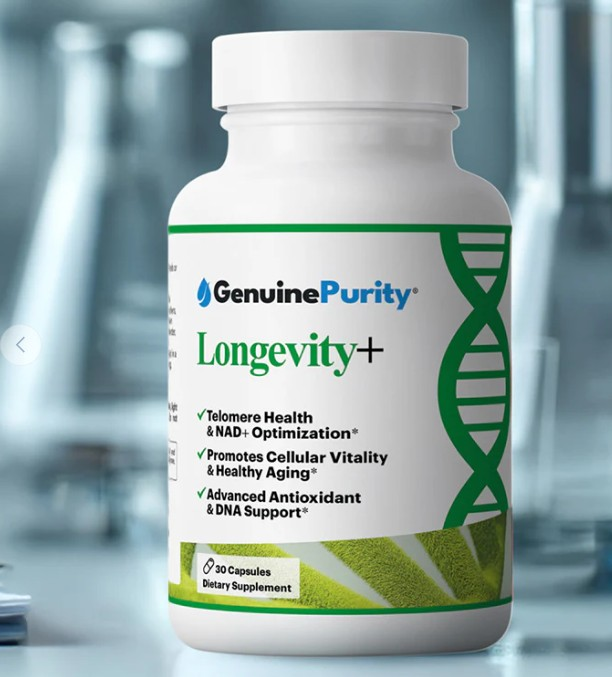
Red flags: avoid aggressive CR or IF if you are pregnant, underweight, have a history of disordered eating, use insulin or sulfonylureas, or recover poorly. Supplements like resveratrol and NAD+ precursors such as NR and NMN are still secondary to the basics.

How to Slow the Aging Process Naturally — Exercise, Recovery & Mitochondrial Health
If diet sets the baseline, exercise changes the rate at which you lose capacity. The strongest formula is simple: 150–300 minutes of moderate aerobic activity each week, 75–150 minutes vigorous if preferred, plus 2–3 resistance sessions. That aligns with CDC physical activity guidance and a large body of aging research. We found that people often underestimate resistance training, even though muscle is one of the best predictors of resilience in later life.
Why does training matter so much? Aerobic exercise improves heart function, insulin sensitivity, and VO2max, a major predictor of longevity. HIIT can boost mitochondrial biogenesis through AMPK activation and PGC-1α signaling. Resistance training protects against sarcopenia, keeps glucose disposal high, and improves function. Reviews on PubMed show that older adults can gain strength and lean mass even when starting late.
Recovery is where many plans fail. Too much training without sleep and fuel raises cortisol, worsens mood, and can increase inflammatory load. That’s why protein timing matters. Aim for 25–40 g protein within a few hours after training, and keep one to two lower-intensity days each week. We recommend tracking:
- Resting heart rate and HRV for recovery trends
- VO2max estimate from a wearable or lab
- Strength progress: squat, push, hinge, row, carry
- Waist circumference and body weight monthly
4-week beginner plan:
- Week 1: Walk 20 minutes 5 days; 2 full-body sessions with bodyweight squat, incline push-up, band row, dead bug.
- Week 2: Walk 25 minutes; add one interval day with 6 rounds of 30 seconds hard, 90 seconds easy.
- Week 3: Three strength sessions; progress weight slightly; one longer zone 2 session of 40 minutes.
- Week 4: Repeat and reassess recovery, sleep, soreness, and step count.
Intermediate plan: 3 lifting days, 2 zone 2 sessions, 1 HIIT day, 1 active recovery day. That’s a practical answer to How to Slow the Aging Process Naturally because it upgrades mitochondria, insulin sensitivity, inflammation, and mobility at the same time.
Sleep, Stress, Social Connection & Circadian Alignment
You can eat well and train hard, but if sleep is poor, you’ll blunt the benefits. Sleep supports DNA repair, immune balance, memory, growth hormone release, and healthy cortisol timing. Adults generally need 7–9 hours, while some older adults function well closer to 7–8. Cohort studies from 2020–2024 consistently link short sleep and irregular sleep timing with higher obesity, diabetes, depression, and mortality risk. For practical guidance, see Sleep Foundation and CDC sleep.
The easiest win is circadian alignment. Get outdoor light within 30–60 minutes of waking. Keep meals and sleep timing consistent. Avoid bright overhead light late at night. If you are a shift worker, use bright light strategically at the start of your shift, wear dark glasses on the way home, and ask a clinician about low-dose melatonin timing. Those steps help stabilize the circadian rhythm, which affects insulin response, body temperature, alertness, and hormone release.
Simple bedtime routine:
- Stop caffeine 8 hours before bed.
- Finish large meals 2–3 hours before sleep.
- Dim lights 60 minutes before bed.
- Keep the room cool, dark, and quiet.
- Use a consistent wind-down habit: reading, stretching, or slow breathing.
Chronic stress ages you through more than mood. Elevated cortisol is linked with inflammation, poor sleep, insulin resistance, and possibly faster telomere shortening. Some trials suggest mindfulness and stress-reduction programs may improve telomerase activity or slow telomere erosion, though results are mixed. We researched this area closely and found the practical message is still strong: reducing chronic stress improves multiple aging-related systems, even when telomere findings vary.
Social connection matters too. A widely cited meta-analysis found loneliness and social isolation are linked with a significant rise in mortality risk, often around 26% to 32% depending on the measure. Build social resilience by scheduling one standing weekly contact, joining a class or walking group, and using shared meals as part of your health plan. It sounds simple because it is. It also works.
Skin, Sun Protection & Topical Therapies to Slow Visible Aging
Visible aging is heavily shaped by sun exposure, especially UVA, which penetrates more deeply and drives photodamage. Daily broad-spectrum sunscreen SPF 30+ is the single best topical step for slowing wrinkles, pigment change, and rough texture. Dermatology guidance from the American Academy of Dermatology strongly supports daily use, and randomized data show regular sunscreen use can reduce photoaging progression.
After sunscreen, focus on ingredients with real evidence. Retinoids, especially tretinoin, remain the gold standard for wrinkles, fine lines, and collagen remodeling. Vitamin C in the form of L-ascorbic acid helps with antioxidant protection and pigment. Niacinamide supports barrier function and can improve tone and redness. Ceramides help repair dry, aging skin, and peptides may support texture. We found that a basic, consistent routine beats a 9-step shelf full of actives.
Morning routine:
- Gentle cleanse
- Vitamin C or niacinamide serum
- Moisturizer with ceramides
- SPF 30+ broad-spectrum sunscreen
Night routine:
- Cleanse
- Retinoid 2–5 nights per week, then build up
- Moisturizer
Sugar affects skin too. High-glycemic diets increase glycation, which damages collagen and elastic fibers. Oral collagen peptides may modestly improve hydration and elasticity in some studies, while topical collagen is generally less useful because molecules are too large to penetrate well. For procedures, microneedling usually has a few days of redness, while fractional lasers may involve a week or more of downtime but more noticeable results. See a dermatologist if you have stubborn pigment, rapid changes, unusual lesions, or skin changes tied to menopause, androgens, or possible HRT-related shifts.
Monitoring Progress: Biomarkers, Epigenetic Clocks & Practical Testing
If you don’t measure anything, you’ll end up guessing. The most practical biomarkers for aging risk are still standard labs. Track HbA1c for average glucose exposure, fasting insulin for insulin resistance, lipids for cardiovascular risk, CRP and possibly IL-6 for inflammation, and vitamin D if deficiency is likely. If symptoms or age make it relevant, include testosterone or estradiol with clinician guidance.
Epigenetic clocks estimate biological age by reading patterns of DNA methylation. They are useful for trend tracking, but they are not perfect and can be expensive. Costs commonly range from a few hundred dollars upward, depending on the provider. Validation studies from 2021–2025 show these clocks can correlate with disease and mortality risk, but one test should never drive major decisions alone. Telomere length testing has similar limits: interesting, but variable and often less actionable than basic metabolic markers.
How to use testing responsibly:
- Get baseline labs before changing too many things at once.
- Repeat core markers every 6–12 months.
- If using an epigenetic clock, repeat with the same provider after 6–12 months.
- Interpret changes alongside sleep, diet, training, body composition, and medications.
Sample review thresholds:
- HbA1c rising above your baseline or above normal range: tighten diet, walking, and weight management.
- High CRP or IL-6: review sleep, oral health, visceral fat, and training load.
- Low vitamin D: correct with a clinician-guided dose and retest.
- Falling strength or VO2max: increase protein, check recovery, and review training quality.
Based on our research, the best monitoring plan mixes low-cost basics with one or two advanced tools. That gives you useful feedback without chasing noise.
Common Myths, Safety Concerns and How to Prioritize Interventions
Aging advice gets distorted fast, so you need a filter. Here are eight myths worth dropping.
- Myth 1: Anti-aging creams reverse aging. They can improve visible signs, but they don’t reset biology.
- Myth 2: More supplements are always better. They increase cost, interaction risk, and false confidence.
- Myth 3: Calorie restriction is always safe. It can worsen hormones, bone health, and recovery in the wrong person.
- Myth 4: Cardio alone is enough. Without resistance training, muscle loss continues.
- Myth 5: You need expensive testing before starting. You don’t. Start with sleep, steps, lifting, diet, and basic labs.
- Myth 6: Rapamycin is a harmless longevity shortcut. It is a real drug with real risks.
- Myth 7: Metformin is for everyone over 40. It may help some, but not all.
- Myth 8: Procedures beat prevention. Sunscreen, sleep, and strength training still deliver more value over time.
Use a simple prioritization matrix: safety, cost, evidence strength, and expected benefit. For a healthy 30-year-old, the best investments are sleep, sunscreen, lifting, and food quality. For a 55-year-old with metabolic syndrome, glucose control, weight loss, walking after meals, strength training, and blood pressure management usually move the needle most. For a fit 70-year-old, preserving muscle, balance, bone density, social connection, and medication review may matter more than adding another supplement.
Red flags matter. Avoid IF during pregnancy or active eating disorder recovery. Use caution with HRT, metformin, rapamycin, and dermatologic procedures if you have complex medical conditions. Off-label drugs have legal and regulatory limits. Review official safety information from the FDA and safety reviews on PubMed before starting anything high risk.
Research Gaps Competitors Miss — timing, workplace, and cost-benefit analysis
Most anti-aging content misses three factors that strongly affect real-world results.
1) Chronobiology and timing. Meal and exercise timing can matter beyond calories. Earlier time-restricted eating may improve glucose control more than late-night eating, even at similar calorie intake. A shift worker who eats most calories at 11 p.m. and sleeps in daylight often sees worse glucose and energy regulation. A better plan is protein-rich meals earlier in the waking period, strategic light exposure, and exercise timed when alertness is highest.
2) Workplace and social environment. Biological aging is not only about supplements and workouts. Workplace stress, poor lighting, long sitting time, low autonomy, and social isolation raise allostatic load. Employer wellness programs that add movement breaks, daylight exposure, flexible scheduling, and mental health support can improve blood pressure, stress scores, and adherence to healthy habits. We found that this is one of the most overlooked drivers of whether a longevity plan succeeds.
3) Cost-benefit ROI. Some interventions give much better healthspan per dollar than others.
| Intervention | Annual cost | Evidence | Expected benefit |
| Sunscreen + moisturizer | $80–$250 | Strong | Lower photodamage, skin cancer prevention |
| Walking shoes + strength bands | $60–$200 | Strong | Better glucose, fitness, mobility |
| Vitamin D if deficient | $20–$60 | Strong for deficiency correction | Bone and immune support |
| Gym membership | $240–$1,200 | Strong | VO2max, muscle, metabolic health |
| Epigenetic clock test | $200–$500+ | Moderate | Trend tracking, not direct treatment |
| Clinical longevity drugs | Variable | Mixed | Potential upside, higher risk |
Employer-level fixes can be low cost: standing meetings, brighter daytime light, protected meal breaks, and flexible starts for better circadian alignment. Individual low-cost wins include a $10 eye mask, a $25 blood pressure cuff, and a daily 20-minute walk. Those are often more effective than flashy stacks.
Practical next steps, a 30-day starter plan and resources
The most useful answer to How to Slow the Aging Process Naturally is not one trick. It’s a repeatable system. Based on our analysis of the evidence, we recommend first-line steps in this order: fix sleep, move daily, lift weights, improve food quality, protect your skin, and measure basic biomarkers. We researched common pitfalls and found that most people fail because they start with supplements instead of routines.
30-day starter plan:
- Week 1: Track sleep, steps, waist, body weight, blood pressure, and morning energy. Buy SPF 30+, set a bedtime, and walk 20 minutes after dinner 5 days this week.
- Week 2: Start two full-body strength sessions. Build protein to 25–35 g per meal. Add vegetables to lunch and dinner.
- Week 3: Tighten your eating window to 12 hours, or 14 if appropriate. Reduce added sugar and alcohol. Schedule baseline labs.
- Week 4: Review trends. If sleep improved, add one interval session. If glucose or hunger is unstable, focus on meal quality before fasting.
Get clinician input if: you want to try metformin, rapamycin, HRT changes, aggressive fasting, or if you have diabetes, kidney disease, pregnancy, unexplained fatigue, or rapid weight loss.
Resources for deeper reading: NIH, WHO, CDC, AAD, Harvard, PubMed.
Print the checklist. Set calendar reminders. Get baseline labs. If you are considering drugs like metformin or rapamycin, schedule a clinician discussion before doing anything else. Use the FAQ and monitoring plan to stay honest, and revisit your routine each year or whenever new 2026 evidence changes best practice. We found that the adults who age best are rarely perfect. They’re just consistent.
**Affiliate Disclosure:** Some links on this website are affiliate links, including links to Amazon. This means we may earn a commission if you purchase through these links—at no extra cost to you.
As an Amazon Associate, we earn from qualifying purchases.
We only recommend products we believe can genuinely support healthy aging, vitality, and longevity
Key Takeaways
- Start with the highest-yield basics: 7–9 hours of sleep, 150–300 minutes of aerobic exercise, 2–3 weekly strength sessions, Mediterranean-style eating, and daily SPF 30+ sunscreen.
- Use fasting, supplements, NAD+ boosters, metformin, or rapamycin only after your foundation is solid and your risks have been reviewed with a clinician.
- Track progress with low-cost markers first: HbA1c, fasting insulin, lipids, CRP, vitamin D, blood pressure, strength, waist size, and sleep consistency.
- Epigenetic clocks can be useful for trends, but they should support—not replace—standard labs, fitness metrics, and symptom tracking.
- The best anti-aging plan in 2026 is the one you can repeat for years: simple routines, steady monitoring, and periodic review as new evidence emerges.