
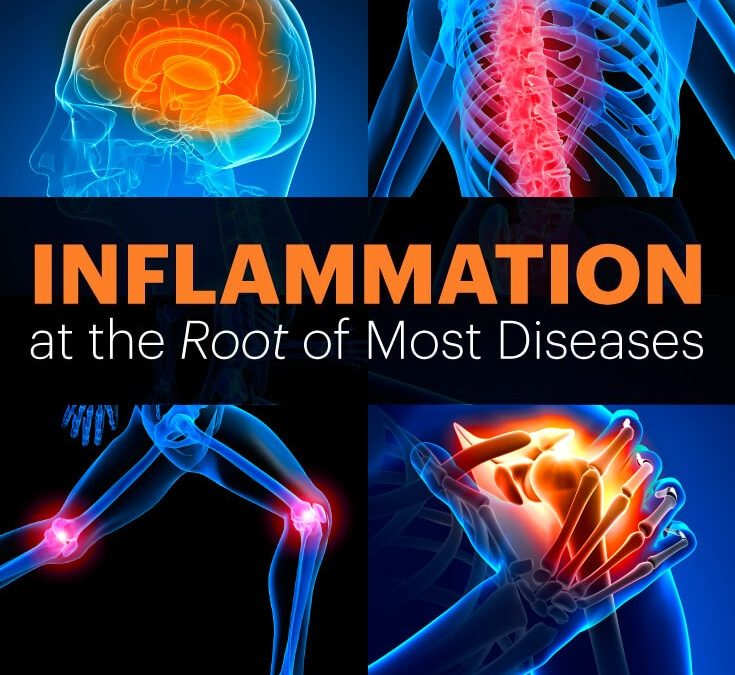
Have you ever noticed swelling or pain that just won’t go away and wondered what’s keeping it alive?
What Is Chronic Inflammation?
Chronic inflammation is a long-lasting, low-grade immune response that persists beyond the time needed to heal an injury or clear an infection. It’s different from the short-term inflammation you get from a sprain or a cold, because it can quietly damage tissues and organs over months or years.
How should you think about inflammation?
You can think of inflammation as your body’s alarm and repair system. Acute inflammation is like a smoke alarm—loud and urgent when something is burning. Chronic inflammation is more like a flickering electrical fault that never quite shuts off, slowly causing wear and tear.
Acute Inflammation vs Chronic Inflammation
You should understand the difference because the causes, signs, and treatments vary widely.
| Feature | Acute Inflammation | Chronic Inflammation |
|---|---|---|
| Duration | Minutes to days | Weeks to years |
| Purpose | Rapid defense and repair | Persistent immune activation |
| Cells involved | Neutrophils predominantly | Macrophages, lymphocytes |
| Signs | Redness, heat, pain, swelling, loss of function | Often subtle: fatigue, low-grade fever, tissue remodeling |
| Common causes | Infection, injury, allergic reaction | Persistent infection, autoimmunity, long-term irritants, metabolic dysfunction |
Why the distinction matters to you
If you only treat acute symptoms (like pain or redness) without addressing underlying chronic triggers, you may feel better temporarily but the deeper process can continue doing harm. Understanding which type you have can guide the tests and therapy you need.
What Causes Chronic Inflammation?
You’ll find many possible causes; often more than one is at work at the same time.
- Persistent infections: Some bacteria, viruses, or parasites can evade your immune system and stick around, causing ongoing activation. Examples include tuberculosis and certain viral infections.
- Autoimmune diseases: Your immune system can mistakenly target your own tissues, as in rheumatoid arthritis, lupus, or type 1 diabetes.
- Long-term exposure to irritants: Tobacco smoke, industrial chemicals, and pollution can chronically irritate tissues.
- Metabolic dysfunction: Obesity, insulin resistance, and metabolic syndrome create an inflammatory environment driven by adipose tissue and altered immune signaling.
- Microbiome imbalances: Changes in gut bacteria can promote intestinal and systemic inflammation.
- Chronic stress: Psychological and physiological stress can shift immune responses toward pro-inflammatory patterns.
- Aging (inflammaging): As you age, baseline inflammatory markers often rise, contributing to age-related diseases.
How multiple causes interact
You won’t always have a single cause. For instance, obesity can alter the microbiome and increase susceptibility to infections while also raising inflammatory signals—so these processes can amplify each other over time.
Signs and Symptoms You Might Notice
Chronic inflammation often smolders rather than flares, so you may not recognize it immediately.
- Fatigue and low energy that doesn’t improve with rest
- Low-grade fever or night sweats
- Unexplained weight loss or gain
- Muscle aches, joint pain, or stiffness
- Persistent digestive problems like bloating, diarrhea, or pain
- Skin changes such as rashes, lumps, or changes in texture
- Cognitive symptoms like “brain fog,” poor concentration, or mood changes
Why symptoms can be vague
Chronic inflammation affects many body systems and produces systemic symptoms through circulating cytokines and immune mediators. Because these symptoms are nonspecific, they’re often attributed to stress, aging, or lifestyle—delaying diagnosis.
How Is Chronic Inflammation Diagnosed?
Your clinician will combine your history, physical exam, and targeted tests to look for causes and consequences.
Common blood tests and what they tell you
| Test | What it measures | What a high result may indicate |
|---|---|---|
| C-reactive protein (CRP) | Acute-phase protein from the liver | General inflammation; high sensitivity CRP (hs-CRP) used for cardiovascular risk |
| Erythrocyte sedimentation rate (ESR) | Rate red blood cells settle in a tube | Nonspecific inflammation; influenced by anemia and age |
| Complete blood count (CBC) | White cell counts, hemoglobin, platelets | Infection, anemia, chronic inflammation affecting blood cells |
| Fibrinogen | Clotting protein and acute phase reactant | Elevated in inflammation and cardiovascular risk |
| Cytokine panels (e.g., IL-6, TNF-alpha) | Immune signaling proteins | More specific inflammatory patterns; not routinely used in primary care |
| Autoantibodies (e.g., ANA, RF) | Immune system directed against self | Suggests autoimmune disease if positive and clinically correlated |
| Ferritin | Iron storage protein and acute phase reactant | Elevated in inflammation (can mask iron deficiency) |
Imaging and biopsies
- Ultrasound, MRI, or CT can reveal ongoing tissue inflammation or damage in joints, organs, and soft tissues.
- Tissue biopsy can confirm chronic inflammatory changes and guide targeted therapy, especially in suspected autoimmune or granulomatous diseases.
When you need referral
If initial evaluation suggests autoimmune disease, chronic infection, or complex systemic inflammation, your clinician may refer you to a rheumatologist, infectious disease specialist, gastroenterologist, or immunologist for further workup.
Long-term Consequences of Chronic Inflammation
Left unchecked, chronic inflammation can contribute to many major diseases that might affect your lifespan and quality of life.
- Cardiovascular disease: Inflammation drives atherosclerosis and plaque instability, increasing heart attack and stroke risk.
- Type 2 diabetes: Inflammatory cytokines interfere with insulin signaling, promoting insulin resistance.
- Cancer: Chronic inflammation promotes DNA damage, cell proliferation, and a tumor-promoting environment.
- Neurodegenerative diseases: Inflammation in the brain is implicated in Alzheimer’s disease and Parkinson’s disease.
- Chronic kidney disease: Ongoing inflammation damages renal tissues over time.
- Sarcopenia and frailty: Inflammatory processes accelerate muscle loss and functional decline with age.
What this means for you
Managing inflammation isn’t just about easing current symptoms. It’s also a strategy to reduce long-term risk of serious diseases. Small sustained changes can shift your inflammatory profile and improve outcomes.
Lifestyle Changes That Can Lower Inflammation
You can take many practical steps to reduce chronic inflammation on your own, often with powerful effects when combined.
Diet: What to include and what to avoid
Your diet directly influences inflammatory pathways. Focusing on whole, minimally processed foods makes a big difference.
| Anti-inflammatory foods | Foods that can increase inflammation |
|---|---|
| Fatty fish (salmon, sardines) – omega-3 fats | Processed meats, red meat in excess |
| Extra virgin olive oil | Refined carbohydrates and sugary drinks |
| Nuts and seeds (walnuts, flax, chia) | Trans fats, hydrogenated oils |
| Colorful fruits and vegetables (berries, leafy greens) | Excessive alcohol |
| Whole grains, legumes | Highly processed snacks and fast food |
| Herbs and spices (turmeric, ginger) | High-sodium processed foods |
Weight and body composition
Excess visceral fat is metabolically active and produces inflammatory cytokines. Losing even 5–10% of body weight can reduce inflammatory markers and improve metabolic health.
Sleep and circadian health
Poor sleep increases inflammatory cytokines like IL-6 and CRP. Aim for consistent sleep timing and 7–9 hours per night to help regulate inflammation.
Physical activity
Regular moderate exercise lowers systemic inflammation and improves immune regulation. Even daily brisk walking reduces CRP and improves insulin sensitivity. You should aim for at least 150 minutes of moderate-intensity exercise weekly.
Stress management
Chronic psychological stress raises cortisol and pro-inflammatory signals. Techniques like mindfulness, cognitive behavioral strategies, and social support reduce stress-related inflammation.
Tobacco and environmental exposures
Quitting smoking and reducing exposure to air pollution and occupational irritants lowers tissue-level inflammation and reduces disease risk.
Medical Treatments and Therapies
When lifestyle measures aren’t enough, medical therapies can target inflammation more specifically.
Over-the-counter and prescription anti-inflammatories
- NSAIDs (ibuprofen, naproxen): Reduce pain and inflammation but carry risks like gastrointestinal bleeding and cardiovascular events when used long-term.
- Acetaminophen: Relieves pain but has no anti-inflammatory effect and risks liver toxicity at high doses.
- Low-dose aspirin: Sometimes used for cardiovascular prevention but not as an anti-inflammatory long-term therapy in general.
Corticosteroids
- Powerful anti-inflammatory drugs used for many inflammatory conditions.
- Effective for acute flares and chronic disease control, but long-term use causes side effects like osteoporosis, weight gain, glucose intolerance, and infection risk.
Disease-modifying anti-rheumatic drugs (DMARDs)
- Examples: Methotrexate, sulfasalazine, hydroxychloroquine.
- Used to treat autoimmune and inflammatory diseases by altering immune responses and slowing disease progression.
Biologic therapies and targeted agents
- Examples: TNF inhibitors (etanercept, adalimumab), IL-6 inhibitors (tocilizumab), JAK inhibitors.
- These are highly specific treatments for autoimmune diseases and certain inflammatory conditions. They can be extremely effective but carry risks like infection and require specialist supervision.
Antibiotics and antivirals
- If chronic infection is identified, targeted antimicrobial therapy is essential to remove the source of inflammation.
Emerging therapies
- Research continues on therapies targeting specific cytokines, immune checkpoints, and metabolic pathways to better control chronic inflammation with fewer side effects.
How to navigate medication decisions
You and your clinician will weigh benefits vs risks, monitor for side effects, and choose treatments tailored to the underlying cause and your overall health goals.
Supplements and Natural Compounds
Some supplements have evidence for modest anti-inflammatory effects. You should discuss these with your clinician before starting them, especially if you’re on prescription medications.
- Omega-3 fatty acids (EPA/DHA): Reduce inflammation and may help cardiovascular risk.
- Curcumin (from turmeric): Anti-inflammatory properties; bioavailability varies by formulation.
- Vitamin D: Low levels associate with higher inflammation; supplementation may help if you’re deficient.
- Probiotics and prebiotics: May benefit gut-driven inflammation in certain conditions.
- Boswellia, ginger, green tea polyphenols: Some evidence for reducing symptoms in specific conditions.
Safety and interactions
Supplements can interact with medications (e.g., blood thinners) and have side effects. Quality and dosing vary, so you should use reputable brands and consult a provider.
Monitoring and Tracking Your Inflammation
You can monitor progress with lab tests, symptom tracking, and lifestyle metrics.
- Periodic CRP or hs-CRP measurements can show trends in systemic inflammation.
- ESR is useful in some autoimmune conditions but changes slowly.
- Symptom diaries, activity logs, sleep tracking, and weight monitoring give context to lab results.
- Repeat imaging and specialist assessments are used for organ-specific conditions (e.g., joint imaging in rheumatoid arthritis).
Common Conditions Linked to Chronic Inflammation
Many conditions have chronic inflammation at their core. Recognizing them helps identify appropriate care.
- Cardiovascular disease and atherosclerosis
- Rheumatoid arthritis, psoriatic arthritis
- Systemic lupus erythematosus (SLE)
- Inflammatory bowel diseases (Crohn’s disease, ulcerative colitis)
- Chronic obstructive pulmonary disease (COPD)
- Metabolic syndrome, type 2 diabetes
- Non-alcoholic fatty liver disease (NAFLD)
- Alzheimer’s disease and other neurodegenerative disorders
- Certain cancers (colorectal, liver, and others linked to chronic inflammation)
Why disease-specific management matters
Treating the inflammation without addressing the underlying disease often leaves you vulnerable to progression. Condition-specific therapies plus lifestyle changes usually offer the best outcomes.
When Should You See a Doctor?
You should consult a healthcare provider if you have persistent symptoms or risk factors for chronic inflammation.
- Ongoing unexplained fatigue, weight change, or low-grade fever
- Persistent joint pain, stiffness (especially morning stiffness), or swelling
- Continued digestive symptoms or blood in stool
- New neurologic symptoms such as cognitive decline or weakness
- Unexplained skin changes or lumps
- Known autoimmune disease with worsening symptoms or new organ involvement
What to expect at the visit
Your clinician will take a detailed history, examine you, and order appropriate tests. They’ll also discuss treatment options and lifestyle changes, and may refer you to a specialist if needed.
Prevention: Steps You Can Take Now
You can lower your lifetime risk of harmful chronic inflammation through consistent habits.
- Maintain a healthy weight and body composition.
- Eat a diet rich in whole foods, healthy fats, and fiber.
- Stay physically active with both aerobic and strength training.
- Prioritize sleep and manage stress.
- Avoid smoking and limit alcohol.
- Keep up-to-date with vaccinations to reduce chronic infectious triggers.
- Address dental health—periodontal disease is linked to systemic inflammation.
Small changes add up
You don’t need perfect habits to make a difference. Even modest improvements sustained over time reduce inflammatory markers and improve health outcomes.
Myths and Misconceptions
There’s a lot of misinformation about inflammation. Here’s what you should know.
- Myth: “All inflammation is bad.” Truth: Acute inflammation is essential for healing; only uncontrolled chronic inflammation is harmful.
- Myth: “You can cure chronic inflammation with one supplement.” Truth: Supplements can help but are rarely sufficient alone; lifestyle and disease-specific treatments are key.
- Myth: “Normal blood tests mean no inflammation.” Truth: Some inflammatory processes are local; blood tests may be normal in early or compartmentalized disease.
Stay skeptical about quick fixes
Be cautious of products or programs that promise to “erase inflammation” overnight. Sustainable change is gradual and multifactorial.
Special Populations: Children, Older Adults, and Pregnant People
Chronic inflammation affects people differently across the lifespan.
- Children: Some autoimmune or autoinflammatory disorders present in childhood and require specialized pediatric care.
- Older adults: Inflammaging increases baseline inflammation and risks of frailty and multimorbidity.
- Pregnancy: Certain autoimmune diseases change course in pregnancy, and inflammatory control matters for maternal and fetal outcomes.
Personalized care matters
Age, pregnancy status, and coexisting conditions influence treatment choices and monitoring frequency. Always discuss options with your care team if you fall into these groups.
Practical Checklist You Can Use Today
You can use this checklist to start managing inflammation immediately.
- Get a baseline health check (weight, blood pressure, diabetes screening).
- Ask your clinician about CRP and other relevant tests if symptoms persist.
- Increase fish, vegetables, and whole grains in your meals; cut processed foods.
- Aim for 150 minutes of moderate activity per week plus resistance training twice weekly.
- Establish a consistent sleep schedule and aim for 7–9 hours nightly.
- Try stress-reduction practices (short daily meditation, breathing exercises).
- If you smoke, seek help to quit; if you drink, aim for moderation.
- Review supplements and medications with your clinician before starting anything new.
Staying consistent is the key
Make one change at a time and track improvements. Small wins build momentum and lead to sustained reductions in inflammation.
Frequently Asked Questions (FAQs)
Can you measure inflammation in everyday life?
You can’t measure inflammation at home like a blood sugar check, but you can track symptoms, sleep, and activity. Periodic blood tests ordered by your clinician measure markers like CRP.
How long does it take to reduce chronic inflammation?
It depends on the cause. Lifestyle changes may lower inflammatory markers within weeks to months. Treating underlying diseases may produce faster changes, but structural damage could take longer to improve.
Are anti-inflammatory diets proven?
Several dietary patterns—Mediterranean-style diets in particular—are supported by evidence for lowering inflammation and reducing disease risk. They work best combined with other healthy lifestyle practices.
Is inflammation reversible?
Often you can reduce inflammatory activity substantially and improve outcomes, especially when you treat the underlying cause early. Some structural changes may be irreversible, so early action matters.
Final Thoughts
Chronic inflammation often operates quietly but can have major consequences for your health if left unaddressed. You have powerful tools at your disposal—diet, activity, sleep, stress management, and, when needed, medical therapies—to lower inflammation and improve how you feel and how your body functions long term. Talk with your healthcare provider if you suspect chronic inflammation, and work together on a plan that addresses both symptoms and root causes. Small, consistent steps can make a big difference over time.