
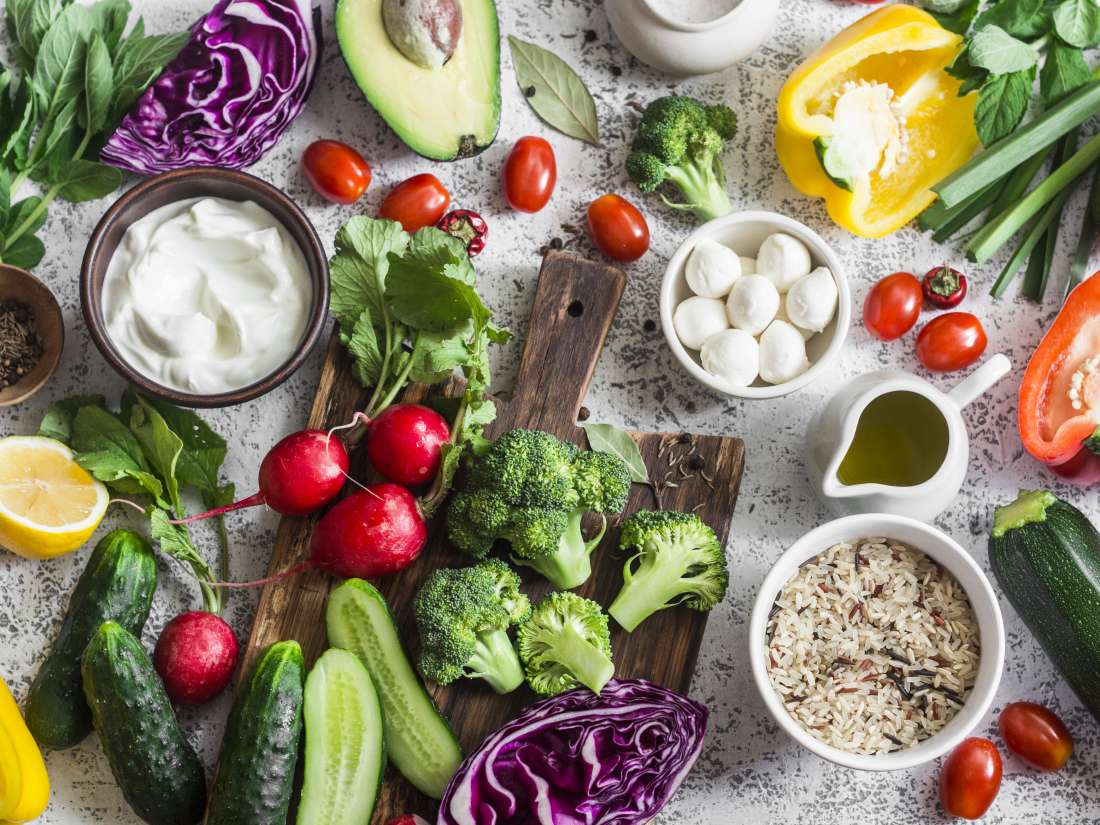
What Is An Anti-inflammatory Diet?
An anti-inflammatory diet is a way of eating that prioritizes foods and habits that reduce chronic inflammation in your body. It’s not a single rigid plan; rather, it’s a set of principles that emphasize whole, nutrient-dense foods while limiting items that are associated with increased inflammatory markers.
Have you ever noticed how certain meals leave you feeling sluggish
or achy the next day while others make you feel energized and clear-headed?
Understanding Inflammation
You should know that inflammation is a normal, necessary response that your immune system uses to heal injuries and fight infection. It becomes a problem when it becomes chronic and low-grade, contributing to conditions like heart disease, type 2 diabetes, arthritis, and some neurodegenerative disorders. Understanding the difference between helpful and harmful inflammation helps you appreciate why dietary choices matter.
Acute vs Chronic Inflammation
Acute inflammation is short-term and beneficial — think of the redness and swelling around a cut that leads to healing. Chronic inflammation, by contrast, is ongoing and often silent; it slowly damages tissues and organs over months or years. The foods and lifestyle choices you make can either fuel chronic inflammation or help tamp it down.
How Diet Affects Inflammation
What you eat influences inflammation through multiple pathways: blood sugar control, lipid profiles, gut microbiome composition, oxidative stress, and the production of inflammatory signaling molecules. Choosing anti-inflammatory foods helps regulate these pathways so your body can maintain balance and heal more effectively.
Core Principles of an Anti-inflammatory Diet
An anti-inflammatory approach is flexible, realistic, and focused on long-term habits. You can adopt these principles gradually and adjust them to your tastes and needs.
Emphasize Whole, Minimally Processed Foods
Whole foods contain more fiber, vitamins, minerals, and phytonutrients than processed items. When you fill your plate with foods in or close to their natural state, you reduce intake of additives, refined sugars, and unhealthy fats that can worsen inflammation.
Focus on Plant-Based Foods
Vegetables, fruits, legumes, nuts, and seeds are loaded with antioxidants and anti-inflammatory compounds. You don’t have to be vegetarian to benefit—you simply prioritize plant foods as the foundation of most meals.
Choose Healthy Fats
Not all fats are equal. Fats from olive oil, avocados, walnuts, and fatty fish contain anti-inflammatory omega-3s or monounsaturated fats. Limit trans fats and heavily processed seed oils high in omega-6s that can be pro-inflammatory when consumed in excess.
Include Lean Proteins and Fish
Moderate amounts of lean meats, poultry, and especially fatty fish like salmon and sardines provide essential amino acids and omega-3 fatty acids that support tissue repair and reduce inflammation.
Favor Low Glycemic Carbohydrates
High blood sugar spikes promote inflammation. Opt for whole grains, legumes, and complex carbohydrates that release glucose slowly and keep insulin response steady.
Use Anti-inflammatory Herbs and Spices
Turmeric (curcumin), ginger, garlic, cinnamon, and oregano contain bioactive compounds that can reduce inflammatory signaling. Incorporating these regularly adds flavor and health benefits.
Foods to Include
Below is a practical table that groups common anti-inflammatory foods so you can pick what suits your tastes.
| Category | Examples | Why they help |
|---|---|---|
| Vegetables | Leafy greens (spinach, kale), cruciferous veggies (broccoli, cauliflower), bell peppers | High in vitamins, minerals, fiber, antioxidants |
| Fruits | Berries, cherries, citrus, apples, pomegranate | Rich in polyphenols and antioxidants that neutralize free radicals |
| Whole grains | Oats, quinoa, brown rice, barley | Provide fiber and stabilize blood sugar |
| Legumes | Lentils, chickpeas, beans | High in fiber, plant protein, and resistant starch for gut health |
| Nuts & seeds | Walnuts, almonds, chia, flaxseed | Provide healthy fats, omega-3s (from chia/flax), and anti-inflammatory compounds |
| Healthy oils | Extra virgin olive oil, avocado oil | Rich in monounsaturated fats and polyphenols |
| Fatty fish | Salmon, mackerel, sardines, trout | High in EPA and DHA omega-3 fatty acids |
| Herbs & spices | Turmeric, ginger, garlic, cinnamon, rosemary | Contain anti-inflammatory phytochemicals |
| Fermented foods | Yogurt, kefir, sauerkraut, kimchi | Support a healthy gut microbiome and immune balance |
| Beverages | Green tea, water, herbal teas | Antioxidants like EGCG in green tea are anti-inflammatory |
Foods to Limit or Avoid
Certain foods tend to promote inflammation, especially when eaten often or in large portions. You don’t need to eliminate everything, but reducing these items can make a noticeable difference.
| Category | Examples | Why to limit |
|---|---|---|
| Refined carbohydrates | White bread, pastries, sugary cereals | Cause blood sugar spikes and increase inflammatory markers |
| Added sugars & sweetened drinks | Sodas, fruit drinks, candy | Promote insulin resistance and systemic inflammation |
| Processed meats | Sausages, hot dogs, bacon | Linked to higher inflammatory biomarkers and cardiovascular risk |
| Trans fats & hydrogenated oils | Some fried foods, margarine | Strongly pro-inflammatory and increase heart disease risk |
| Highly processed snacks | Chips, crackers, packaged baked goods | Often high in refined carbs, unhealthy fats, and additives |
| Excessive alcohol | Frequent heavy drinking | Damages gut barrier and increases inflammation |
| Certain vegetable oils | Highly refined sunflower, corn, soybean oils (in excess) | High omega-6 content that can imbalance omega-6/omega-3 ratio |
Nutrients and Compounds That Fight Inflammation
Understanding the specific nutrients helps you make targeted choices. Below are key anti-inflammatory compounds and how they work.
Omega-3 Fatty Acids
Omega-3s (EPA and DHA) reduce production of inflammatory cytokines and eicosanoids. You can get them from fatty fish, algae-based supplements, and small amounts from plant sources (ALA) like flaxseed and walnuts.
Fiber
Dietary fiber supports gut health and feeds beneficial gut bacteria, which produce short-chain fatty acids like butyrate that have anti-inflammatory effects. Aim for a variety of fiber sources from fruits, vegetables, legumes, and whole grains.
Polyphenols and Flavonoids
These plant compounds, abundant in berries, tea, cocoa, and colorful veggies, act as antioxidants and modulate inflammatory pathways. They help neutralize free radicals and influence gene expression related to inflammation.
Antioxidant Vitamins
Vitamins C and E, as well as carotenoids (vitamin A precursors), protect cells from oxidative damage and work synergistically with other nutrients to reduce inflammation.
Vitamin D
Vitamin D modulates immune responses and low levels have been linked to increased inflammatory markers. If you live in a low-sun area or have low blood levels, discuss testing and supplementation with your healthcare provider.
Magnesium and Potassium
Minerals like magnesium and potassium support blood pressure control and metabolic health. Low magnesium is associated with higher inflammatory markers.
Probiotics and Prebiotics
A balanced gut microbiome helps regulate immune responses. Fermented foods provide probiotics, while fibrous foods like onions, garlic, leeks, and asparagus provide prebiotic fibers that feed beneficial microbes.
Sample Meal Plan (3-Day)
A practical, simple meal plan helps you put principles into action. Below is a 3-day example that balances variety, taste, and anti-inflammatory ingredients.
| Day / Meal | Breakfast | Lunch | Dinner | Snacks |
|---|---|---|---|---|
| Day 1 | Oatmeal with berries, chia seeds, and a spoonful of almond butter | Quinoa salad with chickpeas, spinach, cucumber, cherry tomatoes, olive oil & lemon | Baked salmon, roasted Brussels sprouts, sweet potato mash | Greek yogurt with walnuts; apple slices |
| Day 2 | Smoothie: spinach, frozen berries, banana, flaxseed, unsweetened kefir | Lentil soup with carrots and celery; side mixed greens | Stir-fry with tofu, broccoli, bell pepper, garlic, ginger, and brown rice | Handful of almonds; orange |
| Day 3 | Scrambled eggs with sautéed kale and mushrooms; slice of whole grain toast | Mediterranean salad: arugula, roasted eggplant, olives, feta, olive oil | Grilled chicken with turmeric-roasted cauliflower and quinoa | Carrot sticks with hummus; green tea |
This table gives you an idea of how to combine foods so you get a balance of protein, healthy fats, fiber, and anti-inflammatory compounds. You can swap proteins or vegetables based on your preferences.
Sample Shopping List
Keep your shopping cart stocked with anti-inflammatory staples so you can prepare meals quickly.
- Fresh produce: leafy greens, broccoli, cauliflower, bell peppers, carrots, berries, apples, citrus
- Whole grains: oats, brown rice, quinoa, whole grain bread
- Proteins: salmon, sardines, chicken breast, tofu, lentils, beans
- Dairy/alternatives: plain yogurt, kefir, unsweetened plant milks
- Nuts & seeds: walnuts, almonds, chia seeds, flaxseed
- Oils & condiments: extra virgin olive oil, avocado oil, apple cider vinegar
- Herbs & spices: turmeric, ginger, garlic, cinnamon, black pepper
- Pantry: canned tomatoes, low-sodium broths, whole grain pasta
- Fermented: sauerkraut, kimchi (look for low-salt versions)
Practical Tips for Adopting the Diet
Changing habits is easier when you use small, consistent steps. Here are practical strategies to keep you on track.
Start Gradually
You don’t have to overhaul your entire pantry overnight. Swap one processed snack for a handful of nuts, add a vegetable to every meal, or replace soda with water or unsweetened tea.
Meal Prep and Batch Cooking
Preparing grains, roasting vegetables, and cooking proteins in batches saves time and prevents reliance on less healthy convenience foods. Store portions in clear containers so you can grab meals quickly.
Read Labels
When you buy packaged foods, look for minimal ingredients, low added sugars, and no trans fats. Pay attention to portion size and sodium content.
Eating Out Smartly
Choose grilled or baked proteins, ask for dressings on the side, and opt for vegetable sides instead of fries. Many restaurants offer salad or grain bowls that can be customized to be anti-inflammatory.
Flavor with Herbs and Spices
Using herbs and spices reduces your need for excess salt and adds antioxidants and anti-inflammatory compounds. Fresh herbs also provide flavor without calories.
Scientific Evidence
You should be aware that a growing body of research links dietary patterns to inflammatory markers and disease risk. Studies comparing diets rich in fruits, vegetables, whole grains, and healthy fats (similar to the Mediterranean diet) to Western-style diets show consistent reductions in markers like C-reactive protein (CRP) and interleukin-6 (IL-6). Clinical trials suggest benefits for people with rheumatoid arthritis, some types of chronic pain, and metabolic conditions.
However, results vary between individuals due to genetics, baseline health, and lifestyle. Diet alone is not a magic cure, but it’s a powerful tool you can use alongside other healthy habits.
Lifestyle Components That Complement the Diet
Diet works best when combined with other anti-inflammatory habits. You should address these areas to maximize benefit.
Physical Activity
Regular moderate exercise reduces inflammation and improves immune function. Aim for a combination of aerobic activity and strength training most days of the week, adjusting for your fitness level.
Sleep Quality
Poor sleep is a strong trigger for inflammation. Prioritize consistent sleep schedules and good sleep hygiene to help regulate immune responses.
Stress Management
Chronic stress raises inflammatory markers. Practices like mindfulness, breathing exercises, yoga, or even short walks can lower stress hormones and decrease inflammation.
Avoid Tobacco and Limit Alcohol
Smoking is a major pro-inflammatory factor. If you smoke, seek help to quit. Moderate alcohol intake may not be harmful, but excessive drinking increases inflammation and should be avoided.
Supplements: When to Consider Them
Whole foods are the ideal source of nutrients, but supplements can be useful in specific circumstances. Consult your healthcare provider before starting any supplement.
- Omega-3 supplements (EPA/DHA): Helpful if you don’t eat fatty fish at least twice per week.
- Curcumin (turmeric extract): Shows anti-inflammatory effects in some studies; absorption is improved when combined with black pepper (piperine).
- Vitamin D: Consider testing and supplementing if levels are low.
- Probiotics: May support gut health and immunity, but effects are strain-specific and variable.
- Magnesium: Useful if you have poor intake or symptoms of deficiency.
Potential Risks and Considerations
While this diet is generally safe, be mindful of these points.
- Food sensitivities and allergies: If you have reactions to any foods, choose alternatives. For example, if you’re allergic to nuts, try seeds or legumes for healthy fats and protein.
- Caloric balance: Eating too many nuts, oils, or calorie-dense foods can lead to weight gain, which itself promotes inflammation. Watch portions.
- Medication interactions: Some supplements (like high-dose fish oil or curcumin) can interact with blood thinners. Check with your provider if you take medications.
- Cost and accessibility: Fresh fish and organic produce can be expensive. Frozen vegetables, canned beans, and whole grains are affordable anti-inflammatory options.
Monitoring Progress and When to See a Professional
You can track progress in multiple ways: symptom changes, energy levels, sleep quality, and measurable biomarkers.
- Symptom journal: Note changes in joint pain, digestion, skin, and mood.
- Weight and waist circumference: Improvements often correlate with inflammatory reductions.
- Lab tests: Your clinician can monitor CRP, fasting glucose, lipid profile, and vitamin D levels to assess impact.
- When to consult: If you have persistent symptoms, complex medical conditions, or need personalized nutrition planning (pregnancy, chronic diseases), work with a registered dietitian or your healthcare provider.
Frequently Asked Questions
Q: Is the anti-inflammatory diet the same as the Mediterranean diet? A: They overlap a lot. The Mediterranean diet is often considered an archetype of an anti-inflammatory diet because it emphasizes vegetables, fruits, whole grains, legumes, olive oil, and fatty fish. You can adapt principles from both to match your preferences.
Q: Can certain foods instantly reduce inflammation? A: You won’t feel inflammation drop instantly, but some foods (like ginger or green tea) may provide short-term relief for discomfort. Long-term changes in inflammatory markers usually occur over weeks to months.
Q: Do I need to avoid nightshade vegetables (tomatoes, eggplant, peppers)? A: For most people, nightshades are not inflammatory and are nutritious. A small subset of individuals with certain autoimmune conditions report sensitivity; if you suspect a problem, consider an elimination trial under guidance.
Q: How quickly will I see benefits? A: Some people notice improved energy and digestion within a week, while measurable reductions in inflammatory markers may take several weeks to months. Consistency matters more than speed.
Q: Is coffee allowed? A: Moderate coffee consumption is usually okay and may even have anti-inflammatory effects due to polyphenols, but avoid sugary coffee beverages.
How to Personalize the Diet
Your preferences, cultural background, budget, and health goals should shape how you apply anti-inflammatory principles. If you follow a vegetarian or vegan diet, prioritize plant-based omega-3 sources, legumes, and a variety of colorful produce. If you have diabetes, focus on carbohydrate quality and portion control. If you have high cholesterol, choose lean proteins and healthy fats while limiting saturated fat.
Work with a professional if you need help customizing a plan that fits your medical needs and lifestyle.
Recipes to Get You Started
You can make simple, tasty anti-inflammatory meals with minimal fuss. Try these basic ideas:
- Turmeric and ginger baked salmon: Rub salmon with olive oil, turmeric, grated ginger, black pepper, and lemon; bake and serve with roasted vegetables.
- Mediterranean chickpea bowl: Combine chickpeas, roasted eggplant, cucumber, cherry tomatoes, olives, parsley, and a dressing of olive oil and lemon.
- Overnight oats with berries and chia: Mix rolled oats, chia seeds, unsweetened almond milk, and frozen berries; refrigerate overnight and top with walnuts.
These recipes are easy to adapt and scale. They help you get familiar with flavors and ingredients that support reduced inflammation.
Tracking and Staying Motivated
Set realistic, measurable goals—like adding a vegetable to every meal, eating fatty fish twice a week, or reducing sugary drinks. Use a food diary or apps to monitor intake and notice patterns. Celebrate small wins, such as improved sleep or less joint stiffness, which reinforce your new habits.
Final Thoughts
You don’t need perfection to benefit from an anti-inflammatory diet. By prioritizing whole foods, healthy fats, fiber, and a variety of plants, you give your body the tools it needs to reduce chronic inflammation and support overall health. Combine dietary changes with good sleep, regular movement, and stress management to amplify results. If you have chronic health conditions or medications, work with your healthcare team to tailor an approach that is safe and effective for you.
If you want, I can create a personalized 7-day meal plan based on your food preferences and any health conditions you have. Which foods do you like or dislike, and do you have any dietary restrictions?