What Are The Secrets Of People Who Live Past 100?
Have you ever wondered what the real secrets are behind people who reach 100 years and beyond?
You’re about to read a comprehensive look at the habits, environments, biology, and attitudes that are common among centenarians. This article breaks down scientific findings and practical habits so you can see which strategies might work for your life.
Who are centenarians and why study them?
Centenarians are people who live to at least 100 years old, and they’re rare but growing in number globally. Studying them helps you understand patterns that correlate with extreme longevity and potentially apply those patterns to extend your healthspan as well as lifespan.
What kinds of centenarians exist?
There are two broad types: those who live long but with many chronic diseases, and those who live long with relatively good health until very late. You’ll want to focus on factors that promote “healthy aging,” not just long life with heavy disability.
The Blue Zones: regions with high concentrations of centenarians
Researchers identified several regions called Blue Zones where people routinely live longer than average. These zones give you real-world examples of lifestyles and environments that support longevity.
Common Blue Zone characteristics
Most Blue Zone populations eat largely plant-based diets, maintain daily physical activity, nurture close social networks, and have a sense of purpose. You can look at these shared traits as a blueprint to adapt in your own life.
Blue Zones at a glance
| Blue Zone Region | Notable Habit | Why it matters |
|---|---|---|
| Okinawa, Japan | Strong social support networks (“moai”) | Sustained emotional support reduces stress and encourages healthy behaviors |
| Sardinia, Italy | Active daily life and family-centered culture | Natural activity levels and strong family bonds promote physical and mental health |
| Nicoya Peninsula, Costa Rica | Plant-based diets and strong sense of purpose | Nutrient-dense foods and psychological resilience help maintain function |
| Ikaria, Greece | Diet rich in vegetables, olive oil, and herbal teas | Anti-inflammatory and antioxidant effects support metabolic health |
| Loma Linda, California (Seventh-day Adventists) | Vegetarianism and community health practices | Regular routines and faith-based social support align with healthier choices |
You can use that table to compare and consider which elements might fit into your own routine.
Diet and nutrition: what centenarians tend to eat
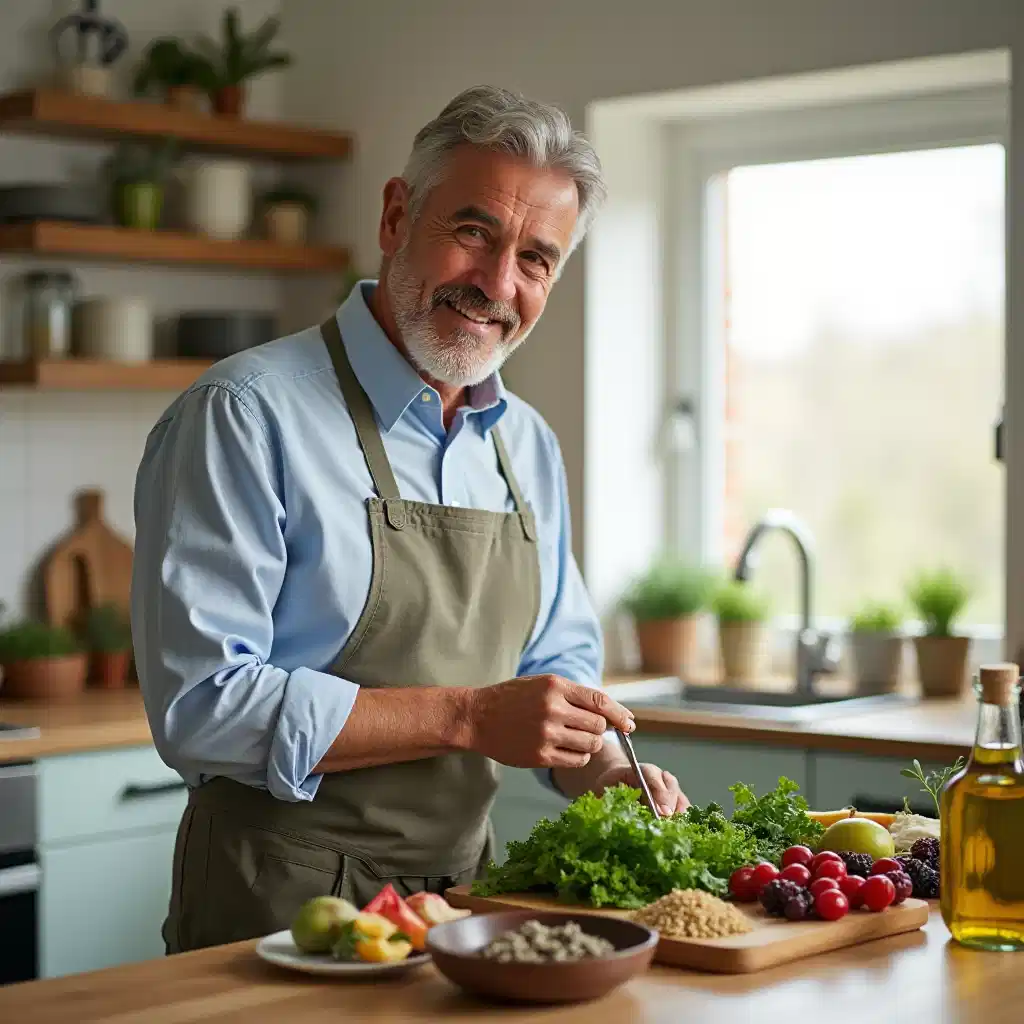
What you eat has a huge impact on how well you age, and most centenarians follow diets that are moderate, plant-centered, and low in processed foods. That doesn’t mean you can’t enjoy treats; it means regular patterns favor whole foods, vegetables, legumes, and lean protein.
Plant-heavy patterns and caloric moderation
Eating more vegetables, beans, nuts, whole grains, and fruit helps reduce chronic disease risk by supplying fiber, vitamins, and antioxidants. Moderate caloric intake without chronic overeating is common among long-lived populations.
Key dietary habits you can adopt
Small consistent changes tend to be more sustainable than radical diets. Try making more meals plant-forward, reducing processed snacks, and adopting portion control to keep your weight stable over time.
Physical activity: routine movement beats intense sporadic workouts
Centenarians are rarely sedentary; their activity tends to be low-to-moderate intensity and integrated into daily life. You’ll get more benefit from consistent movement—walking, gardening, housework—than from short bursts of extreme exercise alone.
The types of movement that matter
Walking, gardening, cycling, and physical work maintain muscle mass, bone health, and cardiovascular function. Combining aerobic activity with strength and balance training reduces fall risk and preserves independence.
How to make movement part of your day
Design environments and routines that encourage activity: take stairs, walk for errands, stand and move frequently. If you already exercise, diversify to include flexibility and resistance work to support functional aging.
Sleep, rest, and circadian rhythm
Good sleep is fundamental for repair, cognitive health, and metabolic balance, and many long-lived people maintain consistent sleep patterns. Poor sleep quality or chronic sleep deprivation is associated with inflammation and cognitive decline, so protecting sleep helps you age better.
Sleep habits linked to longevity
Regular bedtimes, daytime activity, and limited night time disruptions support circadian health. Limit stimulants near bedtime and aim for steady light exposure during the day for better sleep regulation.
Napping and rest
In some long-lived populations, short daytime naps are common and linked with lower stress and improved alertness. If you nap, keep it brief and regular to complement nighttime sleep rather than replace it.
Stress management and emotional regulation
How you handle stress is often as important as how much stress you face. Centenarians often show resilience strategies such as strong social ties, meaningful routines, faith or philosophy, and regular relaxation practices.
Tools for emotional resilience
Mindfulness, social support, spirituality or belief systems, and regular leisure activities help you regulate stress. Cultivating practices that you enjoy and can maintain is more effective than chasing “optimal” techniques that don’t fit your life.
The biological effects of stress reduction
Lower chronic stress reduces inflammatory markers and cortisol dysregulation, which helps protect cardiovascular and cognitive health. Small, consistent stress-reduction habits accumulate benefits over decades.

Social connections: community and relationships matter
You’ll notice that most centenarians are embedded in strong social networks that give purpose and support. Social isolation is a major risk factor for poor health; nurturing relationships provides emotional resources and practical help when you need it.
Types of social supports that help
Close family ties, lifelong friendships, regular community participation, and intergenerational relationships all contribute to better outcomes. Make small investments in keeping ties strong—regular calls, shared meals, and community involvement.
Community design and social opportunities
Walkable neighborhoods, communal spaces, and cultural norms that value elders can help you stay engaged. If your environment lacks those features, seek out clubs, faith communities, or volunteer work to create connection intentionally.
Purpose, mindset, and psychological outlook
A clear sense of purpose—knowing why you get up in the morning—is strongly associated with longevity and lower disease risk. Purpose provides motivation for health behaviors and resilience during setbacks.
How purpose supports healthy living
When you feel useful or guided by values, you’re more likely to keep moving, eat well, and maintain social bonds. Purpose can be work, family roles, hobbies, or volunteerism—what matters is consistent meaning, not prestige.
Cultivating purpose at any age
Reinforce small goals and routines that connect you to others or to projects beyond yourself. Even modest volunteer roles or mentoring can increase purpose and add structure to your day.
Genetics and biology: their role and limitations
Genetics do influence lifespan, but they account for only part of the equation—roughly 20-30% according to many studies. You can’t change your genes, but you can modify environmental and behavioral factors that interact with genetic predispositions.
What genetics predict
Some genetic variants are associated with longevity and resistance to age-related diseases, but many centenarians have protective combinations rather than single “longevity genes.” Family history gives clues but not certainties.
How environment modifies genetic risk
Nutrition, exercise, stress, and social context can amplify or dampen genetic risks. Lifestyle choices can often offset genetic liability, meaning your daily habits remain powerful determinants of how you age.
Medical care, preventive medicine, and early detection
Centenarians often have access to basic healthcare, preventive screenings, and timely treatment. Preventive measures like blood pressure and cholesterol control, cancer screening, vaccinations, and dental care help reduce morbidity and preserve function.
Active self-management of health
Monitoring key health metrics, staying current with vaccinations, and managing chronic conditions proactively gives you the best chance at a long, healthy life. Being an engaged partner with medical professionals helps ensure personalized and timely care.
The role of modern medicine vs. traditional practices
Centenarian populations often combine practical medical care with traditional remedies and lifestyle wisdom. Use evidence-based medicine where available, and integrate culturally meaningful practices that promote wellbeing.
Cognitive health and lifelong learning
Sustaining mental activity and curiosity supports cognitive reserve and may delay dementia symptoms. Centenarians often maintain hobbies, social roles, and learning pursuits that stimulate the brain throughout life.
Habits that protect cognition
Engage in mentally stimulating activities, social interaction, complex tasks, and regular physical exercise. Even small daily challenges—reading, puzzles, musical practice—support neural plasticity.
Emotional and social dimensions of cognition
Social interaction and emotional engagement are as important as cognitive exercise because they reduce stress and enrich mental content. Keep relationships active and seek meaning to support brain health.
Environment, culture, and public policy
Built environments and cultural norms strongly shape lifestyle options and behaviors. Policies that promote walkable cities, food access, social programs for elders, and pollution reduction all make healthy longevity more achievable for you.
Environmental risks to avoid
Air pollution, excessive heat without relief, limited access to healthy food, and unsafe neighborhoods hinder healthy aging. Advocate for policies and personal choices that reduce these risks for you and your community.
How culture supports longevity
Cultural esteem for elders, family structures, and shared rituals create supportive roles that encourage participation and respect. If your culture undervalues older people, build communities where you can play a valued role regardless of age.
Daily routines and practical habits of centenarians
Many centenarians have predictable routines that reduce decision fatigue and promote small consistent behaviors. Routines often include regular mealtimes, light activity, naps or rest, social interaction, and time for reflection or faith.
Examples of daily patterns to adopt
A morning walk, midday social engagement, afternoon rest, and evening family time are common elements you can try. Consistency is often more important than intensity for long-term adherence.
Small habits that compound
Choosing stairs, eating more beans and vegetables, calling a friend regularly, and doing light strength training twice a week are small actions that add up. Focus on habits you can sustain for decades rather than rapid transformations.
Myths and misconceptions about living past 100
You’ll encounter myths that oversimplify longevity—like the idea that a single “magic” food or pill guarantees long life. Longevity is multi-factorial, and no single practice replaces a lifetime of balanced choices.
Common longevity myths
Myths include the belief that genetics determine everything, that extreme calorie restriction is required, or that centenarians never experience disease. Reality is more nuanced: many centenarians manage conditions while maintaining high quality of life.
How to evaluate longevity claims
Look for studies with large sample sizes, reproducibility, and clear endpoints like healthy lifespan rather than just lifespan. Be skeptical of quick-fix promises and prefer incremental, evidence-based habits.
Case studies: patterns from real centenarians
When you look at individual stories, you’ll see recurring themes: modest diets, active days, strong relationships, and purposeful roles. These narratives illustrate how varied the paths can be, while still sharing a few consistent elements.
What you can learn from these cases
Use centenarian stories as motivational examples and practical templates rather than prescriptive rules. You can mix and match the elements that match your values, resources, and abilities.
A practical Checklist you can use today
Here’s a compact table you can use as a daily or weekly checklist. Use it to monitor small, sustainable changes that align with evidence about longevity.
| Domain | Practical Actions | Frequency |
|---|---|---|
| Diet | Eat more vegetables, legumes, whole grains; reduce processed foods | Daily |
| Movement | Walk 30+ minutes or equivalent; strength/balance 2x/week | Daily/Weekly |
| Sleep | Maintain consistent sleep schedule; limit stimulants | Nightly |
| Stress | Practice relaxation (breathwork, mild meditation, hobbies) | Daily |
| Social | Call or meet friends/family; participate in community | Several times/week |
| Purpose | Set small goals or volunteer | Weekly |
| Preventive care | Regular checkups, vaccinations, screenings | Annually/as recommended |
| Environment | Reduce pollution exposure, create walkable space | Ongoing |
Treat this checklist as a living document: adjust frequency and intensity based on your health, preferences, and medical advice.
How to personalize longevity strategies for your life
You don’t need to replicate a Blue Zone exactly to benefit from its lessons. Evaluate what’s practical, enjoyable, and sustainable for you, and start with one or two habits that have the biggest immediate impact.
Steps to tailor a plan
Assess your current health and social resources, prioritize one dietary change and one movement habit, and set measurable, time-bound goals. Reassess every few months and add or adjust habits to fit changes in your life.
Working with professionals
Consult with your healthcare provider before major changes, especially if you have chronic conditions. A dietitian, physical therapist, or mental health professional can help tailor interventions safely and effectively.
Barriers and how to overcome them
You’ll face barriers like limited time, restricted mobility, low income, or social isolation, but small, creative solutions often help. Community programs, telehealth, walking groups, and local food cooperatives can make a big difference.
Practical solutions to common barriers
If mobility is limited, focus on seated strength work and social contact via phone. If finances are tight, prioritize low-cost nutritious foods like beans, seasonal vegetables, and whole grains, and seek community resources.
Building long-term sustainability
Choose changes that integrate with your schedule and values to increase the chance you stick with them. Habit stacking—pairing a new habit with an established routine—helps make changes automatic.
The ethical and social dimension of promoting longevity
Promoting healthy aging should include fairness and access so that more people can benefit, not only those with resources. Social policies, healthcare access, and community design must support equitable opportunities for a long and healthy life.
What you can advocate for in your community
Push for safer streets, public green spaces, senior social programs, accessible healthcare, and nutrition assistance. Small civic actions can improve conditions for many, including your future self.
Balancing longevity with quality of life
Long life is beneficial when it’s paired with functional independence and enjoyment. Aim not only to add years to your life, but life to your years by focusing on purpose, relationships, and meaningful engagement.
Frequently asked questions about living past 100
You’ll likely wonder about the role of supplements, the best diet, and whether longevity interventions are risk-free. Below are concise answers based on current evidence.
Are supplements necessary for longevity?
Supplements can help in specific deficiencies (e.g., vitamin D, B12) but aren’t a substitute for healthy diet and lifestyle. Use supplements under medical guidance rather than relying on them as a primary strategy.
Can exercise alone make you live to 100?
Exercise dramatically improves health and reduces risk but is one part of a multifactorial approach. Combine activity with diet, social engagement, and preventive care for the best outcomes.
Is there a single secret that guarantees living past 100?
No single secret guarantees it; longevity arises from a network of genetic, environmental, social, and behavioral factors. Focus on sustainable, evidence-based habits that improve your quality of life and reduce disease risk.
Final thoughts: what you can start doing today
Start with small, consistent changes that align with your values—eat more plants, move daily, nurture relationships, protect your sleep, and find or deepen your sense of purpose. Over time, these choices compound, and you’ll be actively managing your chances for a longer, healthier life.
A simple 30-day plan to begin
Choose three achievable goals—one dietary, one movement, and one social—and commit to them for 30 days. After that month, reassess and add another habit; gradual accumulation is how centenarian-style living becomes realistic for you.
You don’t need to emulate any one culture or person completely; pick the elements that resonate, make them part of your routine, and let small, steady improvements shape your path toward a longer, healthier life.