Have you considered how a simple superfood could consistently support your natural energy without relying on stimulants?
Spirulina & Chlorella Superfood for Natural Energy
You will find here a comprehensive, practical examination of spirulina and chlorella: what they are, how they support energy metabolism, how to choose and use them, and safety considerations. The intent is to give you clear, actionable guidance so you can determine whether these microalgae fit into your daily routine and performance goals.
What are spirulina and chlorella?
Spirulina is a blue-green microalga (Arthrospira species) grown in alkaline freshwater and saltwater environments. It is rich in protein, pigments like phycocyanin, and several micronutrients.
Chlorella is a single-cell green freshwater microalga (Chlorella species) characterized by a tough cell wall and high levels of chlorophyll, as well as vitamins, minerals, and nucleic acids. Chlorella typically requires a processing step to break its cell wall so nutrients become bioavailable.
Both are classified as microalgae and often marketed as whole-food supplements. They have distinct biochemical profiles and complementary properties that together can support energy, nutrient status, and recovery.
Key differences at a glance
You can use the following table to quickly compare the two and understand which might better match your needs.
| Feature | Spirulina | Chlorella |
|---|---|---|
| Color/Pigments | Blue-green; rich in phycocyanin | Green; very high in chlorophyll |
| Main strengths | High-quality protein, phycocyanin (antioxidant), B-vitamins | Chlorophyll (detox support), minerals, nucleic acids |
| Cell structure | Soft cell membranes — readily digestible | Tough cell wall — often mechanically or enzymatically broken |
| Typical flavor | Earthy, marine; often milder in tablets | Vegetal, grassy; stronger in powder form |
| Common uses | Energy, recovery, antioxidant support | Detoxification support, nutrient replenishment |
| Typical dosing (common ranges) | 1–8 g/day | 2–6 g/day |
Nutrient profile and how it matters for energy
You will benefit from understanding which nutrients in spirulina and chlorella directly influence energy production and how they act.
High-quality protein and amino acids
Spirulina contains approximately 55–70% protein by dry weight and offers a broad amino acid profile, including all essential amino acids. Protein provides sustained energy, supports muscle repair, and supplies precursors for enzymes and hormones that regulate metabolic processes.
Chlorella is lower in protein percentage than spirulina but still provides substantial protein and amino acids that support tissue maintenance and metabolic activity.
B vitamins and cellular energy
Both microalgae contain B vitamins—especially B1 (thiamine), B2 (riboflavin), B3 (niacin), B6, and B12 analogs. B vitamins act as coenzymes in the Krebs cycle and oxidative phosphorylation, which you rely on for ATP (cellular energy) production. For vegetarians and vegans, the B-vitamin content—particularly active B12—is an important consideration, though B12 from algae can be a mix of active and inactive analogs; you should verify efficacy through testing if you rely on microalgae as a primary B12 source.
Iron and oxygen transport
Spirulina is notable for its iron content and iron-binding compounds. Adequate iron supports hemoglobin synthesis and efficient oxygen transport, which contributes to endurance and reduced fatigue. If you suspect iron deficiency, confirm with blood tests (ferritin, hemoglobin) and consult a healthcare professional before self-supplementing.
Antioxidants and mitochondrial protection
Phycocyanin in spirulina and chlorophyll and carotenoids in chlorella act as antioxidants that protect mitochondria from oxidative stress. By reducing oxidative damage, these antioxidants help preserve mitochondrial efficiency and can indirectly reduce biochemical fatigue.
Chlorophyll and detox support
Chlorella’s chlorophyll content supports cellular cleansing and may bind certain heavy metals and environmental toxins, assisting elimination. While “detox” is a broad term, supporting toxin elimination can reduce metabolic burdens that sap energy.
Other micronutrients
Both algae provide trace minerals (magnesium, zinc), vitamins (A precursors, E), and fatty acids (gamma-linolenic acid in some strains). These nutrients help enzyme systems, reduce inflammation, and support cell membrane integrity—factors that contribute to sustained energy.
How spirulina and chlorella support natural energy — the mechanisms
Understanding the mechanisms helps you set realistic expectations.
Supporting ATP production
B vitamins from spirulina and chlorella participate in energy-yielding metabolic pathways. When you maintain adequate levels of these cofactors, your cells convert carbohydrates, fats, and proteins into ATP more efficiently.
Improving oxygen delivery
By contributing to iron stores and supporting hemoglobin production, spirulina may improve oxygen transport to tissues. Better oxygen delivery enhances aerobic metabolism during physical activity and reduces perceived exertion.
Reducing inflammation and oxidative stress
Phycocyanin and other antioxidants decrease systemic inflammation and oxidative damage, both of which impair mitochondrial function. When inflammation is reduced, you can expect improved recovery and less chronic fatigue.
Supporting detoxification pathways
Chlorella binds certain environmental toxins and can support phase II hepatic detoxification. Lower toxic load reduces energy demands on cellular repair processes, allowing more resources for daily activity and performance.
Enhancing recovery and muscle maintenance
The high-quality protein in spirulina promotes muscle protein synthesis and repair, accelerating recovery after exercise and minimizing energy loss from prolonged repair needs.
Evidence from research
You should apply a critical lens to the evidence. Studies vary in size, quality, and outcomes, but several lines of research are relevant.
- Clinical trials and athlete studies have reported improved markers of endurance, reduced muscle damage, and decreased fatigue after supplementing with spirulina or chlorella. Many of these studies use doses in the 1–8 g/day range for spirulina and 2–6 g/day for chlorella.
- Mechanistic studies support antioxidant and anti-inflammatory effects, especially from phycocyanin and other pigments.
- Observational data and smaller trials suggest that vegetarians and vegans may experience improved micronutrient status when incorporating these algae, though reliance on microalgae alone for B12 requires monitoring.
While evidence supports potential benefits, outcomes depend on baseline nutrient status, health status, dosing, product quality, and duration of use.
Forms and dosing: how you can take them
You will need to select a form and dosing regimen that fits your lifestyle and goals.
Available forms
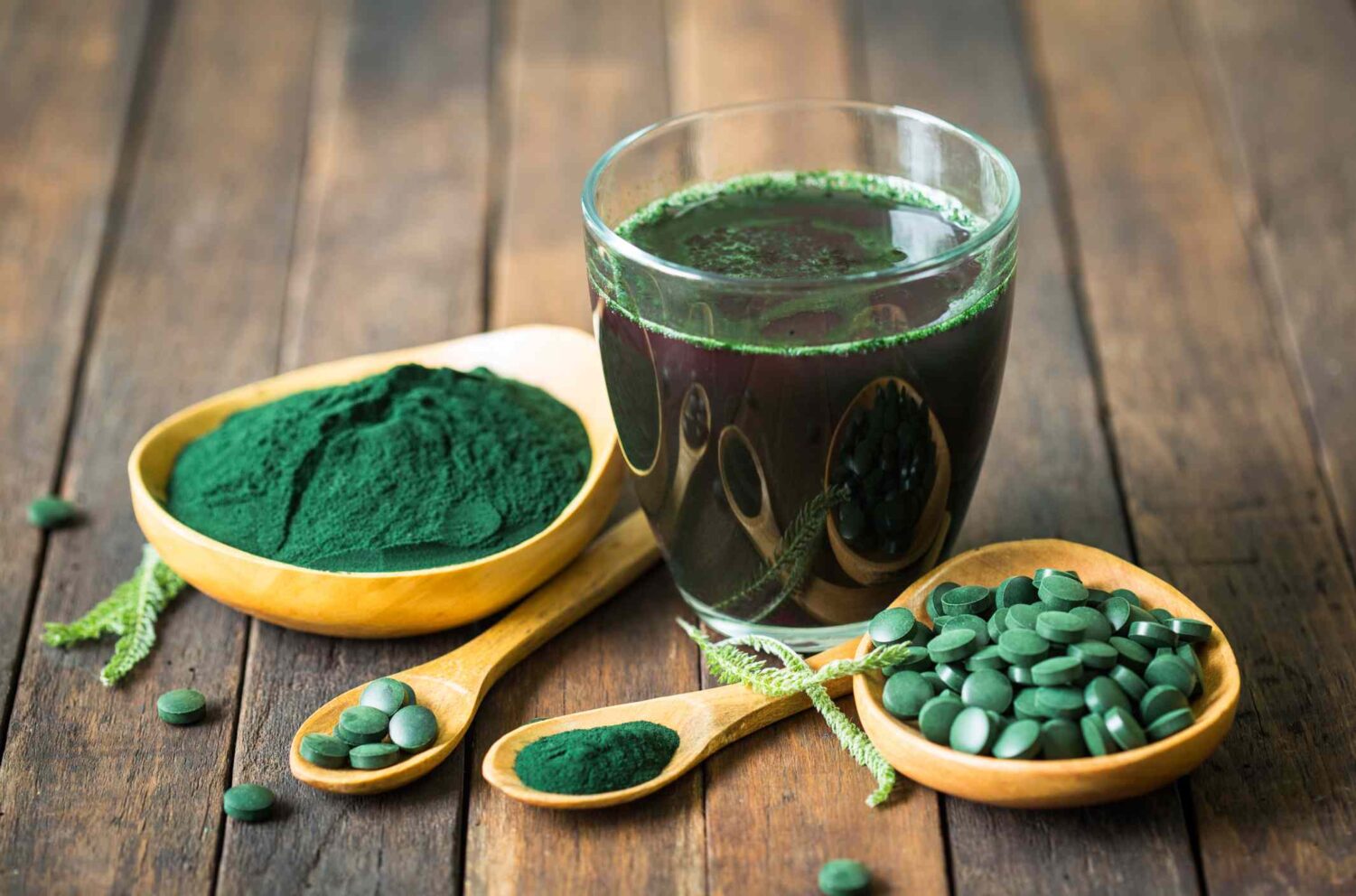
- Tablets and capsules: convenient for travel and taste-sensitive users, often pre-dosed.
- Powder: flexible dosing and easy to mix into smoothies; stronger flavor.
- Flakes or compressed wafers: a middle ground between powder and tablet.
- Whole food products (e.g., single-ingredient sticks or pressed wafers): sometimes marketed for athletes and convenience.
Typical dosing guidelines
Below are common dosing ranges used in studies and by consumers. Start at lower doses and adjust gradually.
| Goal | Spirulina | Chlorella |
|---|---|---|
| General wellbeing & maintenance | 1–3 g/day | 2–3 g/day |
| Increased energy & recovery | 3–6 g/day | 3–6 g/day |
| Athletic performance & intensive support | 6–8 g/day | 4–6 g/day |
| Therapeutic protocols (under guidance) | Up to 10 g/day in some studies | Variable; follow clinical advice |
Begin with a low dose (e.g., 1 g spirulina or 2 g chlorella daily) and increase over 1–2 weeks while monitoring tolerance.
Timing for best effect
You can take spirulina or chlorella at different times depending on goals:
- Morning: supports baseline energy, B-vitamin supply, and mental focus.
- Pre-workout (30–60 minutes): may enhance endurance and oxygen utilization for some users.
- Post-workout: supports recovery via protein and antioxidants.
- With meals: may reduce gastrointestinal upset and improve nutrient absorption.
Avoid heating powders at high temperatures as some heat-sensitive nutrients and pigments can degrade.
Combining spirulina and chlorella — synergy and rationale
You may choose to combine both microalgae because their profiles complement each other.
- Spirulina offers high protein and phycocyanin for antioxidant and anti-inflammatory effects.
- Chlorella contributes chlorophyll, potential detox binding, and certain minerals.
Combining them can provide broad-spectrum nutritional support for energy, recovery, and overall health. If you combine them, start with conservative combined dosages (e.g., 2 g spirulina + 2 g chlorella) and increase as tolerated.
How to incorporate into your daily routine
You will benefit from practical ways to add these superfoods to your diet without disruption.
- Smoothies: Add 1–2 teaspoons of powder (about 2–4 g) to a fruit/protein smoothie. Use strong flavors (banana, cocoa, citrus) to balance taste.
- Capsules/tablets: Take with water and food to minimize gastric upset.
- Pre-workout beverage: Mix powder with water, lemon, and a pinch of salt for quick consumption.
- Salad topper: Sprinkle flakes or crushed tablets on salads or soups (post-cooking).
- Meal replacement shakes: Combine with protein powder, healthy fats, and carbohydrates for balanced energy.
Track how you feel: energy levels, sleep, digestion, exercise performance, and mood. If you notice digestive changes or adverse symptoms, reduce dose or pause.
Safety considerations and contraindications
Safety is paramount. You should be aware of potential risks and consult a healthcare provider when necessary.
Contamination risks
Microalgae can be contaminated with heavy metals, bacteria, or cyanotoxins if sourced from unregulated environments. Choose products with third-party testing for microcystins, heavy metals (lead, mercury), and microbial purity.
Autoimmune conditions and immune modulation
Spirulina and chlorella can stimulate immune activity. If you have an autoimmune disease or take immunosuppressive medications, consult a specialist before starting these supplements.
Phenylketonuria (PKU)
Spirulina contains phenylalanine, so individuals with PKU should consult a clinician before use.
Anticoagulants and blood clotting
Chlorella can be high in vitamin K, which may impact anticoagulant therapy (e.g., warfarin). If you are on anticoagulants, coordinate with your prescribing clinician and monitor INR as appropriate.
Pregnancy and breastfeeding
Data are limited. Pregnant or breastfeeding individuals should consult their healthcare provider before starting spirulina or chlorella.
Allergies and hypersensitivity
Allergic reactions are possible, especially in those with seafood or algae sensitivities. Start with a small dose to assess tolerance.
Thyroid considerations
If you have thyroid disease or are on thyroid medications, consult your clinician; some algae products may contain trace iodine that could affect thyroid function.
Gastrointestinal side effects
You may experience mild GI symptoms (nausea, bloating, diarrhea) during the initial adjustment period. These generally resolve with dose reduction.
Choosing a high-quality product
You will get the best results from reputable sources that prioritize safety, species identification, and testing.
What to look for on labels and product pages
- Species identification (e.g., Arthrospira platensis, Chlorella vulgaris).
- Source and cultivation practices (open-pond vs controlled photobioreactors).
- Third-party testing for heavy metals, microcystins, pesticides, and microbial contaminants.
- Certificates: organic certifications, GMP (Good Manufacturing Practice).
- Broken/digestible chlorella cell wall claim (if you choose chlorella).
- Transparent dosing per serving.
Questions to ask suppliers
- Where is the algae cultivated and processed?
- Do you test each batch for contaminants? Can you provide results?
- Is the chlorella cell wall mechanically or enzymatically broken?
- What species and strain are used?
Practical protocols for different goals
You can adapt spirulina and chlorella use based on your specific objectives.
For general daily energy and nutrition
- Spirulina: 1–3 g/day (tablet or powder)
- Chlorella: 2–3 g/day
- Take with breakfast or mid-morning snack for steady supply of micronutrients.
For athletic performance and recovery
- Spirulina: 4–6 g/day, split pre- and post-workout
- Chlorella: 3–6 g/day as supporting nutrient and recovery aid
- Combine with adequate carbohydrates and protein to optimize glycogen replenishment and muscle repair.
For vegetarians/vegans seeking micronutrient support
- Use a product with verified B12 activity or plan for separate B12 supplementation.
- Have periodic blood tests for B12, iron, and ferritin.
- Recommend 3–6 g/day of spirulina for protein and iron; add chlorella 2–4 g/day for broader micronutrient coverage.
For detox-support protocols (under guidance)
- Use chlorella with attention to gradual dosing to minimize mobilization symptoms.
- Start at 1–2 g/day and increase slowly to 3–6 g/day.
- Ensure adequate hydration, fiber, and a nutrient-dense diet to support elimination.
Quality assurance: what testing matters
You will gain confidence by choosing products with transparent testing. Key tests include:
- Heavy metals: lead, mercury, cadmium, arsenic.
- Cyanotoxins/microcystins (especially important for blue-green algae).
- Microbial pathogens: Salmonella, E. coli.
- Pesticides and herbicides.
- Nutrient analysis confirming protein, chlorophyll, and pigment content.
Common questions you may have
How quickly will you notice an energy benefit?
You may notice subtle improvements within days (improved morning alertness or reduced post-meal fatigue), while clearer changes in endurance, recovery, and hematologic markers generally occur over 2–8 weeks depending on initial nutrient status and dose.
Can you take spirulina and chlorella together daily?
Yes. Many users combine them for complementary benefits. Start with moderate doses and monitor how you feel.
Will they replace a balanced diet?
No. Spirulina and chlorella are concentrated nutrient sources that complement—but do not replace—a diverse, whole-food diet. Treat them as supplements to fill gaps and support specific metabolic needs.
Are there interactions with medications?
Potential interactions exist (notably anticoagulants and immunosuppressants). If you take prescription drugs, consult your healthcare provider before starting supplementation.
Troubleshooting common issues
You will encounter occasional challenges; here are solutions.
- Taste aversion: use capsules or mix powder into strongly flavored smoothies.
- GI upset: reduce dose and increase slowly; take with food.
- Skin reactions/allergy: discontinue and consult a clinician.
- Lack of effect: ensure dosing is adequate, check product quality, and assess for underlying nutrient deficiencies or sleep/stress factors.
Practical checklist before you start
Use this brief checklist to make an informed start:
- Obtain baseline labs if you have concerns (CBC, ferritin, B12).
- Choose third-party tested products with transparent sourcing.
- Start low and titrate up over 1–2 weeks.
- Monitor for side effects and interactions with your medications.
- Maintain a balanced diet and adequate hydration.
Summary and action steps
You can use spirulina and chlorella as evidence-informed microalgae supplements to support natural energy, recovery, and nutritional resilience. Their nutrient profiles—rich in protein, B vitamins, antioxidants, chlorophyll, and minerals—address several physiological pathways involved in energy metabolism.
Action steps to implement today:
- Decide whether you prefer tablets, capsules, or powder based on convenience and taste.
- Select a reputable brand with third-party testing and clear species identification.
- Start with a low dose (e.g., 1 g spirulina + 2 g chlorella daily) and increase gradually while tracking energy, digestion, and exercise recovery.
- Consult your healthcare provider if you have medical conditions, take medications, are pregnant, or plan high-dose therapeutic use.
If you integrate spirulina and chlorella thoughtfully, they can become reliable components of your nutritional toolkit to support natural, sustained energy and improved recovery without dependency on stimulants.