
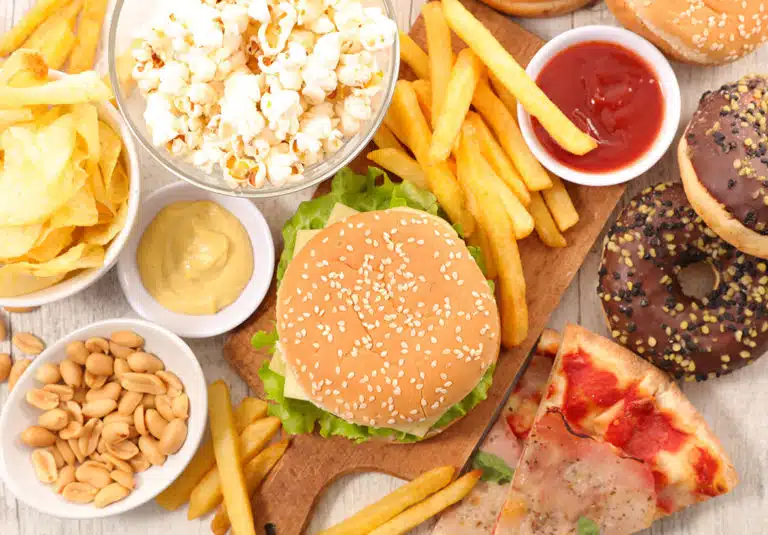
What Foods Cause Inflammation?
Do you ever wonder which everyday foods might be quietly fueling inflammation in your body?
This article explains which foods are linked to inflammation, why they have that effect, and what practical swaps you can make. You’ll get the science behind dietary inflammation, a detailed list of common inflammatory foods, and evidence-based strategies to reduce inflammation through what you eat.
What Is Inflammation and Why It Matters
Inflammation is your body’s natural response to injury or infection, designed to help you heal. When it’s controlled and short-lived (acute), inflammation is protective; when it becomes chronic, it can contribute to conditions such as heart disease, type 2 diabetes, arthritis, and some autoimmune disorders.
Chronic, low-grade inflammation is often silent: you might not feel dramatic symptoms, but markers like C-reactive protein (CRP), interleukin-6 (IL-6), and tumor necrosis factor-alpha (TNF-α) can remain elevated. Your diet plays a major role in raising or lowering those markers.
How Food Influences Inflammation
Food affects inflammation through several mechanisms. Some foods increase oxidative stress, raise blood sugar rapidly, feed harmful gut bacteria, or promote the production of inflammatory molecules. Other foods support antioxidant defenses, balance the gut microbiome, and provide fats that reduce inflammatory signaling.
Understanding these mechanisms helps you spot which foods are more likely to cause harm and which ones help calm inflammation.
Key mechanisms linking diet and inflammation
- Glycemic load and blood sugar spikes: Fast-digesting carbohydrates cause repeated glucose surges that trigger inflammatory responses.
- Advanced glycation end products (AGEs): High-heat cooking and processed foods increase AGEs, which promote oxidative stress and inflammation.
- Trans fats and unhealthy fats: Artificial trans fats and a high omega-6 to omega-3 ratio can favor pro-inflammatory pathways.
- Gut microbiome and endotoxins: Diets low in fiber and high in certain fats can encourage bacteria that release lipopolysaccharide (LPS), an inflammatory compound.
- Excess calories and obesity: Overeating leads to adipose tissue dysfunction and chronic inflammatory signaling.
Foods Most Commonly Linked to Increased Inflammation
Below is a detailed breakdown of the main food groups and items that research and clinical observation associate with increased inflammation. You’ll also see why they cause inflammation and practical swaps to reduce their impact.
1. Refined carbohydrates and sugary foods
Refined carbs include white bread, pastries, many breakfast cereals, sugary snacks, and other foods made from white flour or added sugars. These foods cause rapid blood sugar spikes that promote inflammatory signaling and oxidative stress. Frequent consumption is associated with higher CRP and other inflammatory markers.
Swaps: choose whole grains (like oats, quinoa, brown rice), intact fiber-rich fruits, and snacks with protein and healthy fats to blunt blood sugar spikes.
2. Sugar-sweetened beverages and high-added-sugar foods
Sodas, sweetened teas, fruit drinks, and many packaged desserts are major contributors to dietary sugar. Liquid sugar is particularly harmful because it’s easy to consume in large amounts, and it’s strongly linked to insulin resistance, weight gain, and elevated inflammation.
Swaps: water, sparkling water with a squeeze of citrus, unsweetened herbal teas, or water infused with fruits.
3. Trans fats and partially hydrogenated oils
Artificial trans fats were widely used in processed foods, margarine, and baked goods to improve shelf life and texture. Trans fats increase systemic inflammation, worsen lipid profiles, and raise the risk of heart disease. Although many countries have reduced or banned trans fats, they can still be found in some processed items.
Swaps: check labels and choose products without partially hydrogenated oils. Use small amounts of natural oils like extra virgin olive oil for cooking when appropriate.
4. Highly processed and ultra-processed foods
Ultra-processed foods combine refined carbs, unhealthy fats, artificial additives, and high sodium. Examples include many fast foods, packaged snacks, instant noodles, and ready-to-eat meals. These foods often contain multiple pro-inflammatory elements: trans fats, high sugar, low fiber, and additives that may impact gut health.
Swaps: prioritize whole foods, home-cooked meals, simple ingredients, and minimally processed options.
5. Processed and red meats
Processed meats (bacon, sausages, hot dogs) and, to a lesser extent, high amounts of red meat can promote inflammation. Reasons include high levels of saturated fat, nitrates and nitrites added during processing, and the formation of advanced glycation end products (AGEs) and heterocyclic amines when meats are cooked at very high temperatures.
Swaps: opt for lean poultry, fish, legumes, or plant-based protein sources more often. When eating meat, favor gentler cooking methods and smaller portions.
6. Excessive intake of certain vegetable oils (high in omega-6)
Oils high in omega-6 fatty acids (like some corn, sunflower, soybean, and safflower oils) can promote inflammation when your diet contains very little omega-3. Omega-6 fatty acids are not inherently bad, but an imbalanced ratio (very high omega-6 vs low omega-3) can favor pro-inflammatory eicosanoid production.
Swaps: use extra virgin olive oil, avocado oil, or oils with a better omega-6 to omega-3 balance. Increase omega-3 intake from fatty fish, walnuts, chia, or flax to improve the ratio.
7. Excessive alcohol
Moderate alcohol may not cause inflammation in everyone, and some studies suggest small amounts of red wine could have beneficial polyphenols. However, excessive or regular heavy alcohol intake damages gut barrier function, changes the microbiome, increases endotoxin translocation, and promotes systemic inflammation.
Swaps: keep alcohol within recommended limits, or consider alcohol-free days and low-alcohol options.
8. Foods high in sodium (when consumed in excess)
High-sodium diets can exacerbate inflammation indirectly through effects on blood pressure, vascular function, and kidney health. Many processed foods and restaurant meals contain high levels of sodium.
Swaps: season with herbs, spices, citrus, and use lower-sodium versions of packaged foods.
9. Fried and charred foods
High-heat frying and charring meat or vegetables produce AGEs and heterocyclic amines, compounds linked with oxidative stress and inflammation. Frequent consumption of fried foods is associated with higher markers of inflammation.
Swaps: bake, roast, grill lightly, or sauté at moderate temperatures. Use methods that create less charring and reduce formation of AGEs.
10. Food sensitivities and allergies (individual-specific)
For some people, common triggers like gluten, dairy, soy, or other specific foods trigger immune responses and inflammation. These are individual variations; if you have symptoms (bloating, joint pain, skin issues) after certain foods, consider testing or an elimination approach under professional guidance.
Swaps: identify and remove individual triggers, and replace them with suitable alternatives (e.g., dairy-free milks, gluten-free grains) if needed.
Table: Common Pro-Inflammatory Foods and Better Swaps
| Pro-inflammatory food | Why it causes inflammation | Better swap |
|---|---|---|
| Soda, sweetened beverages | Rapid sugar load, insulin spikes, weight gain | Sparkling water with citrus, unsweetened tea |
| White bread, pastries | High glycemic load, low fiber | Whole grains, oats, barley |
| Processed meats (bacon, sausages) | Saturated fat, nitrates, AGEs | Lean poultry, fish, legumes |
| Fried fast foods | Trans fats, AGEs, high calories | Baked/roasted foods, home-cooked meals |
| Margarine, hydrogenated fats | Artificial trans fats promote inflammation | Extra virgin olive oil, avocado oil |
| Packaged snacks, instant meals | High sodium, additives, refined ingredients | Nuts, seeds, plain yogurt, fresh fruit |
| Excessive red meat | Saturated fat, heme iron, potentially AGEs when charred | Moderation; lean cuts, plant proteins, fish |
| High omega-6 oils (in excess) | Imbalance with omega-3 may favor inflammation | Olive oil, avocado oil; increase omega-3 foods |
| Alcohol (excess) | Gut barrier disruption, endotoxin translocation | Limit intake; choose lower-alcohol options |
| Foods you’re allergic/sensitive to | Trigger immune-mediated inflammation | Elimination and substitution based on testing |
Foods That Often Reduce Inflammation
Contrasting the pro-inflammatory list, some foods have consistent anti-inflammatory effects. You don’t need to eliminate all “bad” foods forever, but increasing these anti-inflammatory foods helps restore balance and lowers chronic inflammatory markers.
Key anti-inflammatory foods
- Fatty fish (salmon, mackerel, sardines): rich in EPA and DHA (omega-3s) that reduce inflammatory eicosanoids.
- Extra virgin olive oil: contains monounsaturated fats and polyphenols that lower inflammation.
- Berries and colorful fruits: loaded with anthocyanins and polyphenols that act as antioxidants.
- Leafy greens and cruciferous vegetables: high in fiber and phytochemicals that support detox and lower inflammation.
- Nuts and seeds: provide healthy fats, fiber, and micronutrients.
- Legumes: fiber-rich and low-glycemic, supporting gut health.
- Whole grains: when tolerated, contribute fiber and reduce glycemic load.
- Spices like turmeric and ginger: contain compounds with anti-inflammatory properties (curcumin in turmeric is well-studied).
- Fermented foods: yogurt, kefir, kimchi, sauerkraut — support a diverse gut microbiome.
Table: Anti-inflammatory Foods and Their Benefits
| Food group | Example foods | How they help |
|---|---|---|
| Fatty fish | Salmon, sardines, mackerel | Provide EPA/DHA to reduce inflammatory signaling |
| Olive oil | Extra virgin olive oil | Polyphenols and MUFAs reduce oxidative stress |
| Berries | Blueberries, strawberries | High in antioxidants and anti-inflammatory compounds |
| Leafy greens | Spinach, kale, Swiss chard | Fiber, vitamins, and phytochemicals support immunity |
| Nuts & seeds | Walnuts, almonds, chia, flax | Healthy fats and fiber improve lipid profile |
| Legumes | Beans, lentils, chickpeas | Low glycemic load, prebiotic fiber for the gut |
| Whole grains | Oats, quinoa, brown rice | Fiber and micronutrients that reduce inflammation |
| Spices | Turmeric, ginger, cinnamon | Bioactive compounds with anti-inflammatory effects |
| Fermented foods | Yogurt, kefir, kimchi | Support beneficial gut bacteria and immune balance |
How Much Do These Foods Actually Affect Inflammation?
It’s not only whether you occasionally eat a specific food; it’s the overall dietary pattern that matters most. A single sugary treat or fast-food meal won’t ruin your long-term health, but habitual consumption of pro-inflammatory foods shifts your baseline toward chronic inflammation.
Large observational studies and controlled trials show dietary patterns like the Mediterranean diet, which emphasize whole foods and healthy fats, consistently lower CRP and other inflammatory markers. Conversely, the typical Western diet—high in refined carbs, processed foods, and unhealthy fats—tends to raise those markers.
Practical Strategies to Reduce Diet-Related Inflammation
You can reduce inflammation through targeted changes that are sustainable. Here are evidence-based strategies you can adopt.
1. Shift from processed to whole foods
Make whole grains, vegetables, fruits, lean proteins, nuts, and seeds the foundation of your meals. Whole foods provide fiber, micronutrients, and phytochemicals that counter inflammation.
2. Prioritize healthier fats and balance omega-6/omega-3
Use extra virgin olive oil and include fatty fish twice weekly. Eat walnuts, chia, and flax to boost omega-3. Limit excessive use of seed oils high in omega-6 if your diet lacks omega-3.
3. Cut back on added sugars and refined carbs
Reduce sugary drinks and pastries. Replace them with whole fruit, plain yogurt with berries, or nuts for snacks.
4. Limit processed meats and choose cooking methods that minimize AGEs
Grill or sauté at moderate temperatures, avoid charring, and use moist-heat methods like steaming or braising when possible.
5. Increase fiber and prebiotics for gut health
Aim for diverse plant foods to support beneficial microbiota. Foods like onions, garlic, asparagus, legumes, and whole grains feed good bacteria and lower endotoxin-related inflammation.
6. Manage portion sizes and overall calorie intake
Excess calories, regardless of source, can increase adipose tissue inflammation. Pay attention to hunger cues and portion control.
7. Use anti-inflammatory spices and herbs
Incorporate turmeric (with black pepper for absorption), ginger, cinnamon, and garlic to add flavor and anti-inflammatory potential.
8. Moderate alcohol and prioritize sleep and stress management
Diet works together with lifestyle. Poor sleep and chronic stress raise inflammatory markers, so aim to manage these for best results.
Table: Practical Meal and Ingredient Swaps
| Current habit | Swap to help reduce inflammation |
|---|---|
| Soda or sweetened coffee | Sparkling water, unsweetened tea |
| White rice or pasta | Brown rice, whole-grain pasta, quinoa |
| Bacon or sausages | Grilled chicken, beans, salmon |
| Fried potato chips | Raw veggies with hummus, roasted chickpeas |
| Store-bought salad dressing (with seed oils) | Olive oil + lemon + herbs |
| Packaged baked goods | Fresh fruit with nut butter |
| Margarine | Avocado or small amount of extra virgin olive oil |
Special Considerations and Individual Variation
You’re unique: genetics, gut microbiome, existing health conditions, and medications all influence how your body responds to food. For example, someone with celiac disease will experience inflammation from gluten, while another person will not. Autoimmune conditions and metabolic syndrome may amplify the inflammatory response to certain foods.
If you suspect food sensitivities, consider an elimination diet or working with a registered dietitian, allergist, or physician. Blood tests for CRP and other markers can help track changes, but they don’t replace personalized medical advice.
Myths and Misconceptions
There’s a lot of noise about “inflammatory” and “anti-inflammatory” foods. Here are some common misunderstandings you should be aware of.
- Myth: All omega-6 fats are bad. Reality: Omega-6 fats are essential; the issue is balance.
- Myth: Nightshades (tomatoes, peppers) are inflammatory for everyone. Reality: Only a small number of people have sensitivities to these foods.
- Myth: One “superfood” will fix inflammation. Reality: No single food reverses chronic inflammation; dietary patterns and lifestyle matter more.
- Myth: Anti-inflammatory supplements always work. Reality: Some supplements can help, but whole-food sources and professional guidance are safer and often more effective.
How to Monitor Progress
You can track inflammation and improvements in several ways:
- Clinical markers: ask a healthcare provider to measure CRP, ESR, fasting glucose, and lipid panel.
- Symptom tracking: note changes in joint pain, energy, sleep, digestion, skin issues, and mood.
- Weight and body composition: reductions in visceral fat often correlate with lower inflammation.
- Dietary logs: track intake of pro- and anti-inflammatory foods to identify patterns.
When to See a Healthcare Professional
If you have persistent symptoms like unexplained fatigue, joint pain, fever, unintentional weight loss, or you have an autoimmune disease or chronic condition, consult your healthcare provider before major diet changes. They can help rule out medical causes, recommend testing, and create a safe plan tailored to your needs.
Quick Anti-Inflammatory Meal Ideas
Here are a few practical ideas you can try right away to shift toward a less inflammatory diet.
- Breakfast: Oatmeal topped with berries, chia seeds, and a few walnuts.
- Lunch: Mixed greens salad with salmon, avocado, cherry tomatoes, olive oil and lemon dressing.
- Snack: Greek yogurt (or plant-based alternative) with cinnamon and fresh fruit.
- Dinner: Lentil and vegetable stew with turmeric and garlic; side of steamed greens.
- Swap dessert: Fresh fruit with a small handful of almonds instead of a sugary pastry.
Each of these meals emphasizes whole foods, fiber, healthy fats, and lower glycemic impact.
Summary: Practical Takeaways You Can Use Today
- Focus on overall dietary pattern rather than demonizing single foods.
- Reduce refined carbs, added sugars, processed foods, excessive alcohol, and trans fats.
- Increase whole, unprocessed foods: vegetables, fruits, whole grains, legumes, nuts, seeds, fatty fish, and olive oil.
- Watch cooking methods to reduce AGEs (avoid charring and excessive frying).
- Address individual food sensitivities with testing or supervised elimination.
- Pay attention to lifestyle factors (sleep, stress, exercise) that interact with diet to influence inflammation.
Final Notes and Next Steps
If you want to lower inflammation through diet, begin with small, sustainable swaps and build from there. Track how changes affect your symptoms and consider consulting a dietitian or clinician if you have chronic health conditions. By shifting your eating pattern toward whole, nutrient-dense foods and reducing common inflammatory triggers, you’ll be supporting long-term health and reducing the silent burden of chronic inflammation.