
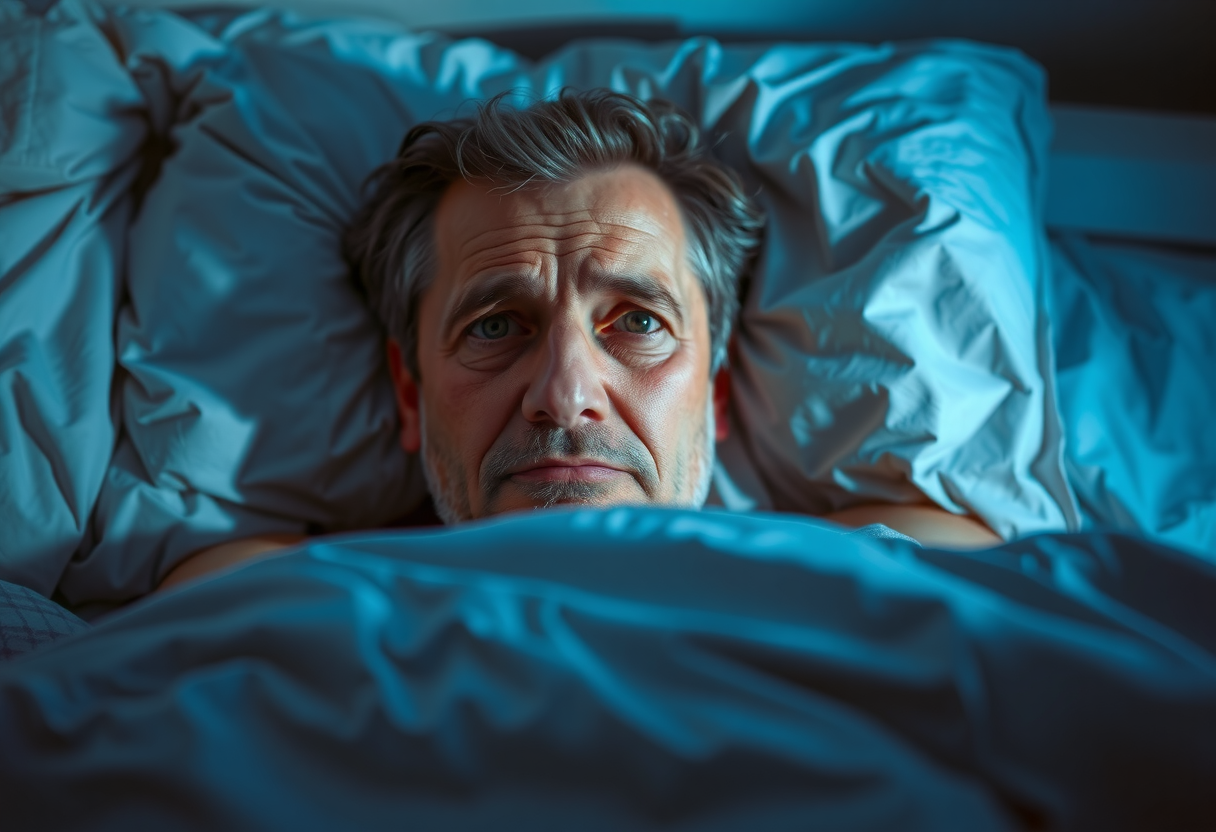
What Causes Sleep Problems After 50?
Have you noticed your sleep changing since you turned 50 and wondered why it’s harder to fall asleep or stay asleep?
As you age, your sleep often changes in ways that can be frustrating and puzzling. This article breaks down the main causes of sleep problems after 50, how to identify them, and practical steps you can take to improve your sleep.

How sleep changes as you age
You’ll probably notice that your sleep isn’t quite the same as it was in younger years. Total sleep time and sleep quality can decrease, and the pattern of sleep stages shifts, making deep sleep less abundant and nighttime awakenings more common.
Changes in sleep architecture
Your brain produces less slow-wave (deep) sleep and may spend slightly more time in lighter sleep stages. That means you can wake up more easily and feel less refreshed after the same number of hours.
Circadian rhythm shifts and chronotype
Your internal clock tends to shift earlier with age. You may feel sleepy earlier in the evening and wake earlier in the morning. This change can cause mismatches between your preferred sleep time and daily obligations.
Hormonal shifts: melatonin, cortisol, and sex hormones
Melatonin production declines with age, making it harder to initiate sleep. Changes in cortisol rhythms can also interfere with sleep. In addition, falling estrogen or testosterone levels influence sleep quality and body temperature regulation.

Menopause, andropause, and their impacts
Hormonal transitions have large effects on sleep for many people.
Menopause and perimenopause
Hot flashes, night sweats, and vaginal dryness are common during perimenopause and menopause, and they frequently cause nighttime awakenings. Mood changes and increased anxiety during this time can further disrupt sleep.
Andropause and low testosterone
Gradual declines in testosterone can lower sleep quality for some people, increasing fatigue, daytime sleepiness, and mood changes that indirectly worsen sleep.
Common medical causes of sleep problems
Medical conditions become more common as you age and can directly disrupt sleep or cause symptoms that wake you at night.
Chronic pain and musculoskeletal issues
Arthritis, degenerative spine conditions, and other sources of chronic pain make it difficult to find comfortable positions and can trigger frequent awakenings. You may also spend more time turning and repositioning, fragmenting your sleep.
Nocturia and bladder changes
Increased nighttime urination (nocturia) is a major reason older adults wake up. Changes in bladder capacity, prostate enlargement, overactive bladder, or fluid retention can all be responsible.
Gastroesophageal reflux disease (GERD)
Acid reflux and heartburn often become worse when you’re lying down, which leads to nighttime awakenings and lighter sleep.
Cardiovascular and respiratory disease
Heart failure, chronic obstructive pulmonary disease (COPD), and asthma can cause breathlessness or coughing at night. Fluid shifts when you lie flat can also worsen symptoms and fragment sleep.
Sleep apnea (obstructive and central)
Obstructive sleep apnea (OSA) is common after 50 and causes repeated breathing pauses that fragment sleep and reduce oxygen levels. Central sleep apnea is less common but can appear with heart failure or certain neurological conditions.
Restless legs syndrome (RLS) and periodic limb movements (PLMD)
You might feel an irresistible urge to move your legs in the evening or experience repetitive leg jerks during sleep. These sensations often worsen at rest and can severely interfere with sleep onset and maintenance.
Neurological disorders
Conditions such as Parkinson’s disease, Alzheimer’s disease, and other neurodegenerative disorders commonly affect sleep through changes in brain chemistry, nighttime confusion, and physical symptoms (e.g., tremor).
Mental health: anxiety, depression, and bereavement
Mood disorders frequently disturb sleep, causing difficulty falling asleep or early-morning awakening. Major life stressors like loss, retirement changes, or caregiving responsibilities also contribute.
Medications and supplements that can disrupt sleep
Many drugs you may be taking for chronic conditions have sleep-related side effects. Below is a table summarizing common classes and examples.
| Medication class | Examples | How they affect sleep |
|---|---|---|
| Beta blockers | Metoprolol, atenolol | May reduce melatonin and cause insomnia or vivid dreams |
| Stimulants & ADHD meds | Methylphenidate, amphetamines | Make it harder to fall asleep if taken late |
| Antidepressants | SSRIs, SNRIs (e.g., fluoxetine, venlafaxine) | Can cause insomnia or restless legs in some people |
| Diuretics | Furosemide, hydrochlorothiazide | Increase nighttime urination if taken late |
| Corticosteroids | Prednisone | Can cause agitation and difficulty sleeping |
| Thyroid hormone | Levothyroxine (if overdosed) | May cause insomnia, especially if taken late |
| Bronchodilators | Albuterol (inhaler) | May cause nighttime stimulation and sleep disruption |
| Benzodiazepines and sedative-hypnotics | Diazepam, zolpidem | Can alter sleep architecture, cause daytime drowsiness, and dependency risk |
| Antipsychotics | Risperidone, olanzapine | May cause sedation or, paradoxically, sleep disturbances |
| Over-the-counter stimulants | Nicotine, pseudoephedrine | Increase alertness and reduce sleep |
If you suspect a medication is disturbing your sleep, don’t stop it suddenly—talk to your prescriber about timing, dosage adjustments, or alternatives.
**Affiliate Disclosure** Some links on this site are affiliate links, which means we may earn a small commission if you purchase through them—at no extra cost to you.
We only recommend products we believe can genuinely support healthy aging and longevity.
Lifestyle and environmental factors
Your habits and bedroom environment matter more for sleep than many people realize.
Caffeine, nicotine, and alcohol
Caffeine and nicotine are stimulants that delay sleep onset and fragment sleep, and alcohol may help you fall asleep but fragments the second half of the night and reduces REM sleep.
Napping and daytime sleepiness
Long or late naps reduce your sleep pressure and can make it harder to fall asleep at night. Short naps early in the afternoon are less likely to disrupt night sleep.
Sedentary lifestyle and timing of exercise
Regular exercise improves sleep, but exercising too close to bedtime can be activating. Aim to finish vigorous workouts several hours before bed.
Light exposure and electronics
Evening exposure to bright light and blue light from screens suppresses melatonin and delays your internal clock. Nighttime routines that reduce bright-light exposure help with sleep onset.
Sleep environment and temperature
A cool, dark, quiet bedroom supports sleep. Age-related changes in thermoregulation make you more sensitive to temperature and night sweats.
How to identify your sleep problem
Understanding the pattern of your sleep difficulties helps guide solutions.
Types of insomnia
- Sleep-onset insomnia: trouble falling asleep.
- Sleep-maintenance insomnia: waking up frequently during the night.
- Early-morning awakening: waking too early and unable to return to sleep.
Each type has different common causes and remedies.
Tracking your sleep: diaries and wearables
Keeping a sleep diary for 2–4 weeks helps identify patterns. Wearables and actigraphy can be useful but may be less accurate than clinical tests; use them to track trends rather than exact measures.
When to seek medical evaluation
If you have loud snoring, gasping for air at night, very loud daytime sleepiness, frequent falls, cognitive changes, or symptoms of RLS, see a clinician. Persistent insomnia affecting daily function also warrants evaluation.
Diagnosis and tests for sleep problems
A careful history and targeted tests are often needed.
Medical history and physical exam
Your clinician will ask about sleep habits, medications, medical conditions, mood, and substance use. A focused physical exam can identify airway narrowing, signs of heart disease, or neurologic issues.
Sleep studies: polysomnography and home testing
Polysomnography (PSG) in a sleep lab measures brain waves, breathing, oxygen levels, limb movements, and heart activity—useful for diagnosing sleep apnea and complex sleep disorders. Home sleep apnea tests are simpler and focus mainly on breathing; they’re appropriate when sleep apnea is the primary concern.
Multiple Sleep Latency Test and actigraphy
MSLT helps evaluate excessive daytime sleepiness and narcolepsy. Actigraphy, worn as a wrist device, tracks activity and rest cycles for circadian rhythm assessment.
Treatment approaches — an overview
Treating sleep problems after 50 often requires multiple strategies: improve habits, treat medical causes, and use targeted therapies when needed.
Sleep hygiene: basics that do help
Sleep hygiene is the foundation and includes consistent bedtimes, limiting caffeine and alcohol, using the bed only for sleep and sex, optimizing bedroom conditions, and avoiding heavy meals close to bedtime.
Cognitive Behavioral Therapy for Insomnia (CBT-I)
CBT-I is the first-line treatment for chronic insomnia and usually works better long-term than sleeping pills. It uses strategies like stimulus control, sleep restriction, cognitive restructuring, and relaxation training to change behaviors and thoughts that perpetuate insomnia.
Medications: short-term vs long-term considerations
Medications can help in the short term or while you’re working on behavioral therapy. Long-term use has risks: tolerance, dependence, daytime drowsiness, falls, and cognitive problems. Work with your clinician to use the lowest effective dose for the shortest time.
Below is a table summarizing common medication options and considerations.
| Drug class | Examples | When used | Main cautions |
|---|---|---|---|
| Short-acting non-benzodiazepines | Zolpidem, zaleplon | Short-term sleep-onset problems | Risk of complex sleep behaviors, next-day impairment |
| Benzodiazepines | Temazepam, lorazepam | Short-term severe insomnia | Dependency, daytime sedation, falls in older adults |
| Melatonin receptor agonists | Ramelteon | Sleep-onset insomnia | Generally safe but variable effectiveness |
| Sedating antidepressants | Trazodone, mirtazapine | When insomnia coexists with depression | Morning sedation, weight gain |
| Antihistamines (OTC) | Diphenhydramine, doxylamine | Occasional use | Anticholinergic effects, confusion, falls, not recommended regularly |
| Melatonin (supplement) | 0.3–5 mg nightly | Circadian shifts, jet lag | Best at low doses, variable quality of OTC products |
| Orexin receptor antagonists | Suvorexant, lemborexant | Chronic insomnia | Next-day somnolence, cost/access issues |
Always discuss risks, interactions, and alternatives with your prescriber, especially if you’re taking other sedating drugs.
Melatonin and other supplements
Melatonin can help with circadian rhythm issues and falling asleep; lower doses (0.3–1 mg) may be effective and minimize side effects. Other supplements like valerian, magnesium, or CBD have mixed evidence; be cautious about quality and interactions.
Treating sleep apnea
If you have obstructive sleep apnea, continuous positive airway pressure (CPAP) is the gold standard and dramatically improves sleep quality and daytime function. Oral appliances and surgery are alternatives for selected people.
Treating restless legs and periodic limb movements
Iron deficiency often contributes to RLS—check ferritin. Dopaminergic agents, gabapentin, or pregabalin may help, and lifestyle changes like reducing caffeine and maintaining good sleep hygiene are useful.
Addressing nocturia
Behavioral measures (fluid timing, limiting evening fluids, leg elevation earlier in the day), changing diuretic timing, treating prostate enlargement or overactive bladder, and managing sleep-disordered breathing can reduce nighttime bathroom trips.
Managing pain and GERD at night
Optimizing pain control using non-addictive options, stretching routines, and supportive mattresses can help. For GERD, avoid late meals, elevate the head of the bed, and use appropriate acid suppression when indicated.
Behavioral strategies for specific sleep problems
You’ll get better results if you match strategies to your primary issue.
For trouble falling asleep (sleep-onset)
- Limit screen time 60–90 minutes before bed.
- Use a wind-down routine (reading, relaxation).
- Keep bed only for sleep and intimacy to strengthen the bed-sleep association.
- Consider short-term melatonin or ramelteon for circadian help.
For waking frequently (sleep-maintenance)
- Evaluate for pain, nocturia, reflux, or sleep apnea.
- Use stimulus control: if you can’t sleep, get up and do a quiet activity until you feel sleepy again.
- Avoid long naps and daylight sleep to preserve sleep pressure.
For early-morning awakenings
- Check for mood disorders and circadian rhythm shifts.
- Light therapy in the evening can shift your clock later; morning bright light can make early awakenings worse—timing matters.
For leg discomfort (RLS)
- Check iron stores and treat deficiency.
- Moderate exercise, leg massage, and warm baths can ease symptoms.
- Discuss medication options with your provider if symptoms are moderate to severe.
Preventive lifestyle measures and long-term strategies
Consistency and small changes often yield meaningful improvements.
Regular exercise and weight management
Exercise improves sleep quality, reduces sleep apnea severity when weight loss occurs, and helps mood regulation. Aim for at least 150 minutes per week of moderate activity, finishing vigorous exercise a few hours before bed.
Diet and meal timing
Avoid heavy meals close to bedtime and limit alcohol. A light evening snack combining protein and complex carbs can help some people sleep better.
Light therapy and circadian realignment
Morning bright light exposure helps strengthen a stable sleep-wake cycle if you’re an early riser who needs to stay awake earlier; evening light therapy can help delay sleep onset if you need to shift later. Use light therapy under guidance if you have mood disorders or eye disease.
Social and mental health supports
Loneliness, grief, and stress are common after 50 and affect sleep. Social connections, therapy, or support groups can help reduce stress and improve sleep indirectly.
Practical nightly routine example
Here is an example schedule you can adapt to your needs. Small consistent changes often produce the best long-term results.
- Morning: Get 20–30 minutes of outdoor light exposure soon after waking to anchor your circadian rhythm.
- Midday: Short walk or light exercise; avoid long naps.
- Afternoon: Limit caffeine after early afternoon.
- Evening (2–3 hours before bed): Finish heavy meals and alcohol; take any afternoon medications that can cause nocturia earlier.
- Night (60–90 minutes before bed): Dim lights, stop screens, do relaxing activities (reading, gentle stretching, warm bath).
- Bedtime: Keep the bedroom cool, quiet, and dark; go to bed at a consistent time. If you can’t fall asleep within 20–30 minutes, get up and do a quiet activity, returning only when sleepy.
FAQs
Q: Is it normal to need less sleep after 50?
A: Many people sleep slightly less, but most still need 7–9 hours. Reduced ability to sleep deeply doesn’t mean you no longer need restorative sleep.
Q: When should I worry about daytime sleepiness?
A: If you’re nodding off while driving, during conversations, or at work, see a clinician—these are signs of significant sleep disorder like sleep apnea or narcolepsy.
Q: Are over-the-counter sleep aids safe for older adults?
A: Regular use of antihistamine-based OTC sleep aids is not recommended for older adults due to anticholinergic side effects and fall risk. Use them only rarely and discuss safer options with your clinician.
Q: Can melatonin help?
A: Melatonin can be helpful for circadian problems and mild sleep-onset insomnia. Use low doses and consistent timing for best results.
Q: How long should I try CBT-I before expecting results?
A: CBT-I programs commonly run 6–8 weeks; you may notice improvements within 2–4 weeks, with continued gains over time.
Q: Will treating sleep apnea completely restore my sleep?
A: Treating sleep apnea with CPAP often vastly improves sleep fragmentation and daytime function but may not resolve insomnia caused by other factors. Often multiple approaches are needed.
When to see a specialist
You should consider referral to a sleep specialist if you have:
- Loud, chronic snoring with gasping or pauses.
- Severe daytime sleepiness that impairs function.
- Suspected RLS or PLMD that hasn’t responded to first-line measures.
- Complex insomnia that doesn’t respond to CBT-I or lifestyle changes.
- Neurologic symptoms or suspected narcolepsy.
Summary and a simple action plan
You can improve your sleep after 50 by addressing medical, behavioral, and environmental causes. Start with these steps:
- Keep a 2–4 week sleep diary to identify patterns and triggers.
- Review medications with your clinician and adjust timing or alternatives if they disrupt sleep.
- Try structured sleep hygiene plus a consistent nighttime routine.
- Seek CBT-I for persistent insomnia; it’s effective and durable.
- Get evaluated for sleep apnea, RLS, nocturia, or other medical contributors if symptoms suggest those conditions.
Improving sleep after 50 often requires several changes rather than a single fix. You don’t need to do everything at once—pick a few strategies that match your main problem and build from there. If you’d like, tell me which symptoms you’re experiencing most (trouble falling asleep, waking up at night, daytime sleepiness, leg sensations, snoring, or something else), and I’ll give more tailored steps you can try.
**Affiliate Disclosure** Some links on this site are affiliate links, which means we may earn a small commission if you purchase through them—at no extra cost to you.
We only recommend products we believe can genuinely support healthy aging and longevity.