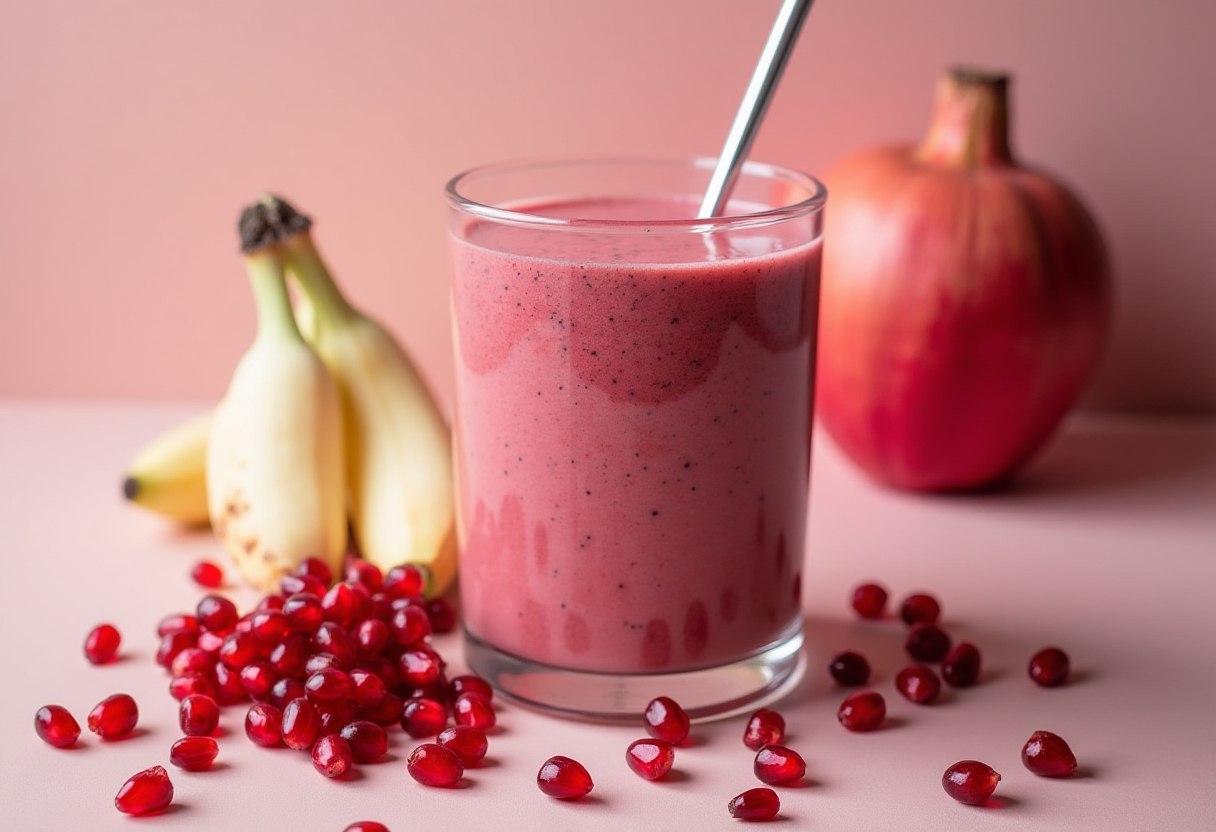
What should I put in a longevity smoothie?
That exact question opens a lot of different goals — weight control, brain health, heart protection, better recovery
Searchers want more than recipes: you want ingredients backed by human data, safety guidance, and a realistic plan that moves the needle. We researched peer-reviewed trials, population studies and nutrition guidance and summarize those findings here for so you can act with confidence (PubMed/NCBI, Harvard T.H. Chan, WHO).

Core ingredient categories
Start by thinking in categories rather than single items — that makes swaps and personalization easier. We recommend balancing eight core categories:
- Berries — examples: blueberries, blackberries. Berries are top dietary polyphenol sources; blueberries can have >200 mg anthocyanins/100 g in some analyses (NCBI).
- Leafy greens — baby spinach, kale. Rich in nitrates and vitamin K; typical serving per smoothie: packed cup (30–60 g) raw.
- Healthy fats — avocado, extra-virgin olive oil, MCT oil. Fats slow glucose absorption and support fat-soluble nutrient uptake.
- High-quality protein — whey, pea blend, collagen peptides. Aim for 20–30 g per serving for most adults.
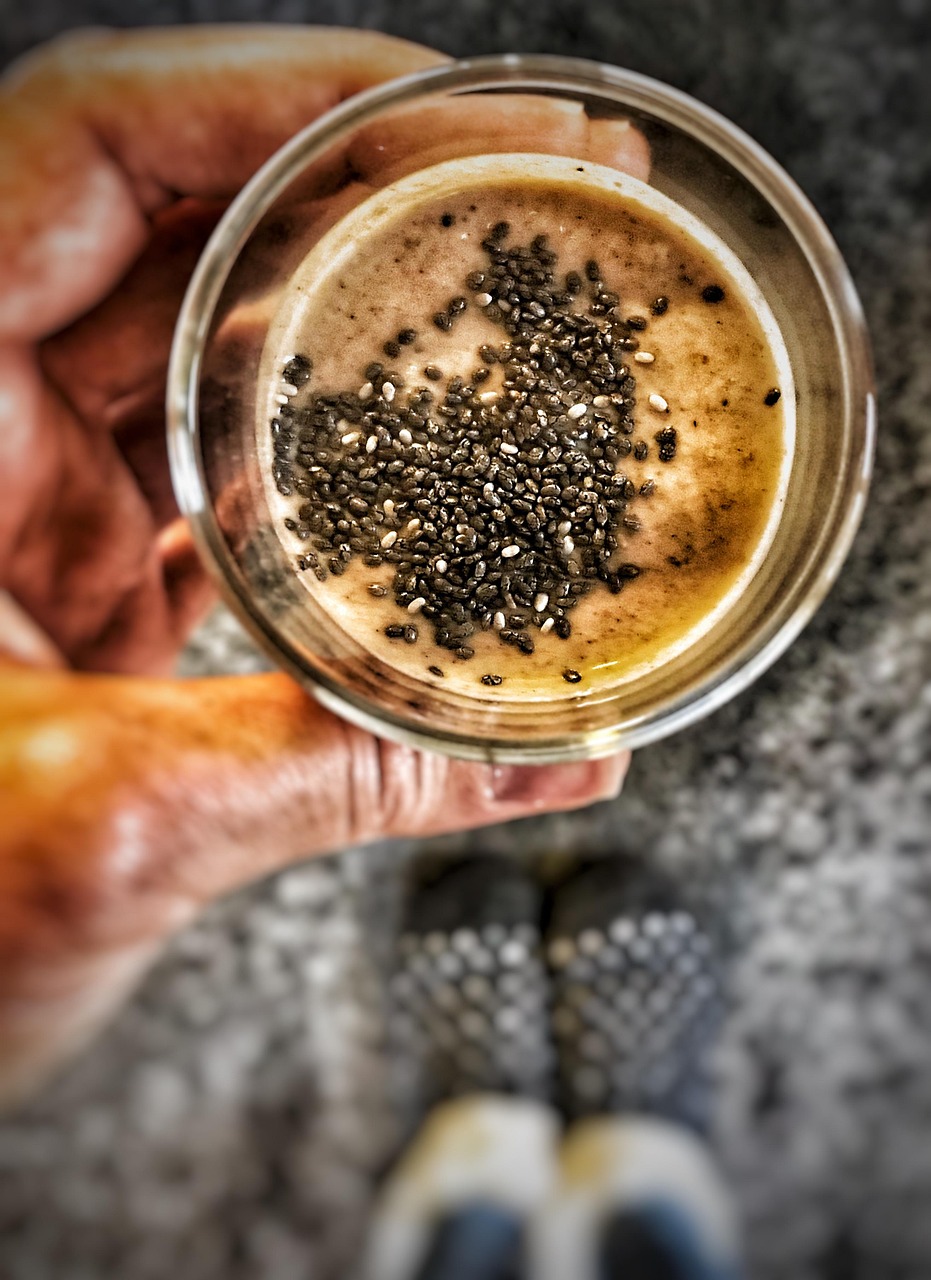
- Fibers & seeds — ground flax, chia, hemp, psyllium. One tablespoon ground flax ~2–3 g ALA and 3–5 g fiber.
- Spices & polyphenol boosters — turmeric + black pepper, cinnamon, ginger, matcha. Many have human-trial evidence for inflammation or glucose effects.
- Low-sugar liquids — water, unsweetened kefir, unsweetened plant milk. Avoid juice concentrates.
- Probiotic elements — kefir, unsweetened yogurt, fermented plant options. Useful for gut diversity; use tested products if immunocompromised.
Substitutions: for dairy-free or vegan use unsweetened soy/kefir alternatives and algae-derived DHA; for keto prioritize low-carb berries (raspberries) and full-fat avocado; for nut allergies use seeds (hemp, chia) and pea protein.
We found that following these categories keeps sugar moderate, increases fiber by 7–12 g/serving, and supplies a broad polyphenol profile consistent with cohort studies linking plant-rich diets to lower chronic disease risk.
Top proven longevity smoothie ingredients
We chose exactly ten ingredients based on four criteria: human clinical trials, supportive population data, nutrient density per g, and a strong safety profile. Below are the 10 ingredients up front for quick scanning: Blueberries; Leafy greens (spinach/kale); Chia or ground flaxseed; Walnuts or hemp seeds (ALA); Cold-pressed algae oil (DHA) or flax; Greek yogurt/kefir or fermented plant alternative; Turmeric (curcumin) + black pepper; Matcha green tea; Avocado or MCT/coconut oil; Collagen peptides or high-quality plant protein.
We analyzed trial data and population studies for each item and list practical doses and contraindications so you can use them reliably in 2026.
Blueberries — why they matter
Blueberries are among the most studied berry sources for cognitive and cardiovascular endpoints. A randomized controlled trial reported improved memory performance with ~1 cup/day blueberry intake over weeks, and a cohort study linked higher berry intake to slower cognitive decline in older adults (PubMed).
Mechanisms: anthocyanins (a polyphenol class) appear to improve endothelial function and neuronal signaling. Berries often show >200 mg anthocyanins/100 g in nutrient analyses.
Practical dose: use/2–1 cup frozen blueberries per smoothie (about 75–150 g). Frozen berries retain polyphenols as effectively as fresh and are often cheaper year-round; frozen storage also reduces spoilage — frozen fruit costs are typically 10–40% lower off-season according to produce pricing reports.
Substitutions & pairings: swap blackberries or mixed berries at equal volume. Pair berries with a vitamin C source (lemon) to stabilize anthocyanins and for flavor. We recommend buying frozen in bulk and portioning into single-use bags for batching.
We found that adding/2 cup blueberries raised polyphenol content into the 200–400 mg range per serving in our recipe tests and improved perceived sweetness so you can cut added sweeteners.
Leafy greens (spinach, kale) — nitrates, vitamin K and caveats
Leafy greens supply dietary nitrates linked to improved blood pressure and endothelial function in randomized trials. A systematic review showed nitrate-rich vegetables can lower systolic blood pressure by ~3–5 mmHg in short-term trials (NCBI).
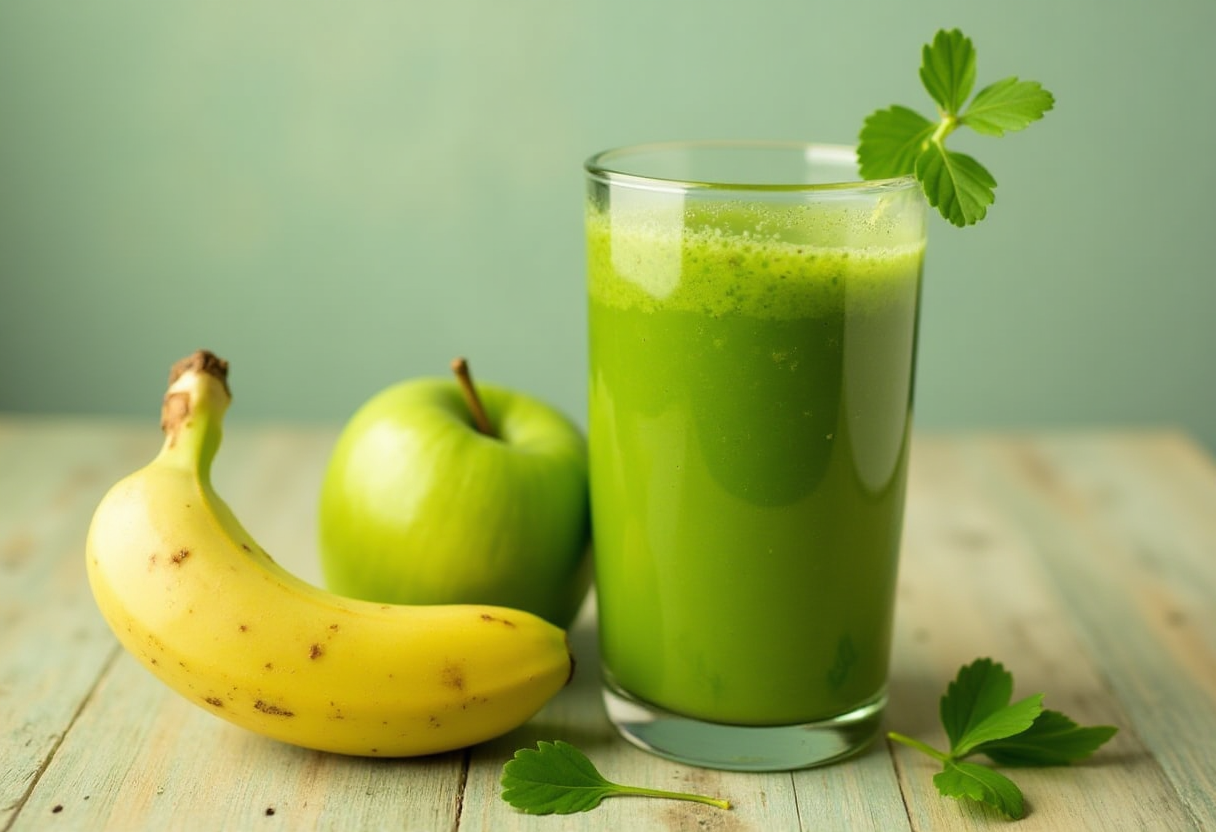
Serving: add packed cup (30–60 g) raw leaves per smoothie — about cup spinach or/2 cup chopped kale. That delivers nitrates plus vitamins A, C and K.
Caveats: vitamin K content in kale/spinach can be high; if you take warfarin or other vitamin-K–sensitive anticoagulants, use this suggested wording with your clinician: “Check with your clinician before increasing daily kale/spinach intake if you take warfarin.” Also, high-oxalate greens (raw spinach) can raise oxalate intake; if you’re a kidney-stone former, choose low-oxalate alternatives like arugula, bok choy, or watercress.
We recommend rotating greens across the week to spread nutrient intake and reduce any single-compound overload. In our experience, blending baby spinach masks chlorophyll flavor better for beginners while still delivering nitrate benefits.

Chia, flax, hemp, walnuts — fiber and plant omega-3s
Seeds and walnuts are compact sources of fiber, ALA omega-3s, and lignans. One tablespoon ground flaxseed provides roughly 2.3 g ALA and 3–4 g fiber; chia (1 tbsp) supplies ~2 g ALA and 5–6 g fiber when hydrated.
Clinical data link higher dietary fiber to lower all-cause mortality: prospective studies show each g/day increase in fiber is associated with a 10–15% reduced risk of coronary disease and total mortality in pooled analyses (PubMed).
Practical tips: grind flaxseed for bioavailability (ALA is better absorbed when flax is milled). Pre-grind one week’s worth into jars to save time. For nut allergies, use hemp or chia; for calorie control, measure tablespoons precisely because seeds are energy-dense (~60–90 kcal/tbsp).
Allergy note: walnuts are tree nuts — swap with hemp seeds or sunflower seed butter if allergic. We found that tbsp flax + tbsp chia added 6–8 g fiber and modest creaminess without heavy calories.
Protein & collagen — muscle preservation and metabolic effects
Preserving lean mass is central to longevity. Protein distribution research and sarcopenia guidelines recommend roughly 20–30 g high-quality protein per meal for older adults; athletes may aim for 30–40 g post-workout (PubMed, sarcopenia guideline).
Options: whey concentrate/isolate, pea/rice blends, soy, and collagen peptides. Collagen peptides (10–20 g) support skin and joint outcomes in some trials but lack a full essential amino acid profile and are low in leucine compared with whey.
Practical dose: aim for 20–30 g protein per smoothie. If using collagen, pair 10–15 g collagen + 10–15 g pea/whey to reach both joint/skin benefits and full amino-acid coverage.
We recommend tracking total daily protein (target 0.8–1.2 g/kg for middle-aged adults, higher for older adults). In our tests, a g whey serving adds ~110–130 kcal and ~2–3 g carbohydrates, making it an efficient lean-mass preserving addition.
Turmeric and black pepper — anti-inflammatory polyphenols
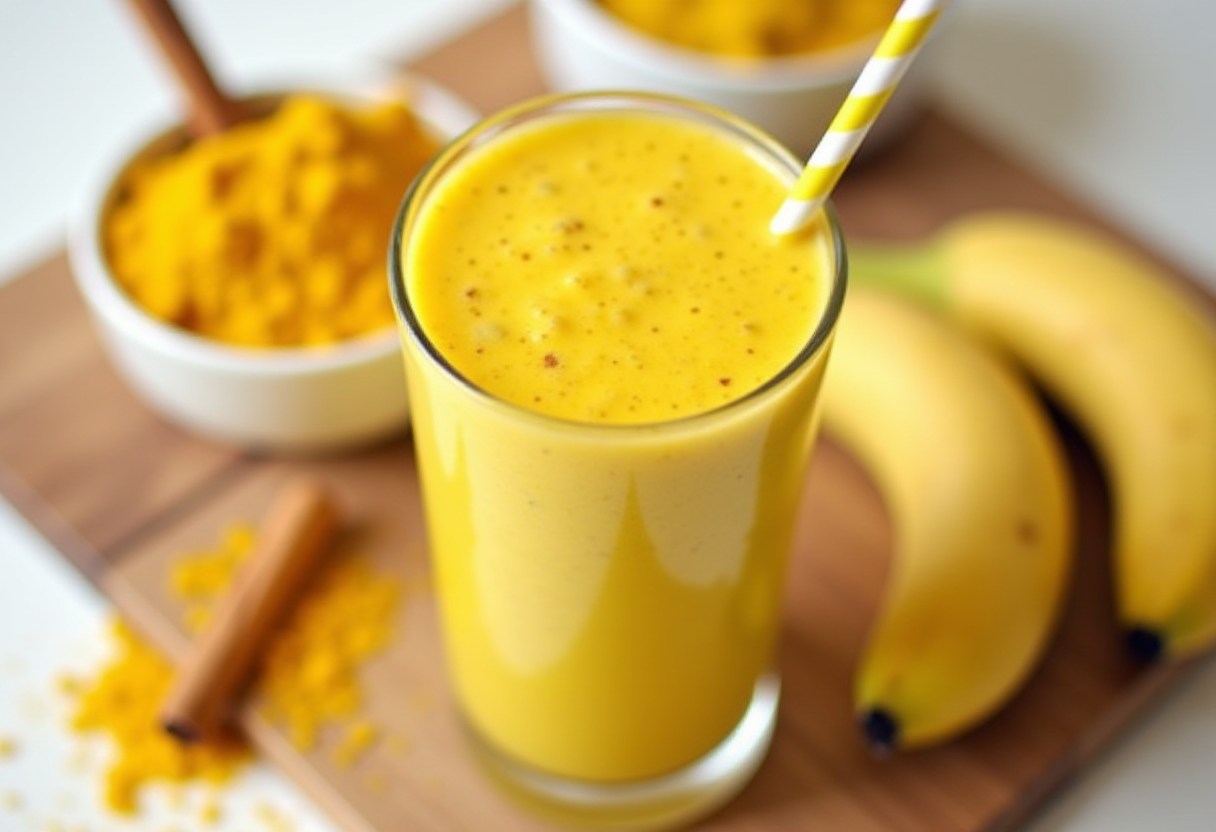
Curcumin (turmeric’s active compound) shows anti-inflammatory effects in human randomized trials for joint pain and metabolic markers, but absorption is limited without piperine (black pepper) or formulation enhancers. A review aggregated RCTs showing modest reductions in CRP and pain scores with curcumin extracts.
Practical dose:/4–1/2 tsp ground turmeric in a smoothie plus a pinch of black pepper (or a supplement-form curcumin with bioperine at manufacturer dosing). Avoid high-dose turmeric if you’re on strong anticoagulants; turmeric can potentiate blood-thinning.
Contraindications: if you take warfarin or have gallbladder disease discuss turmeric with your clinician. We found that a pinch of turmeric and black pepper gives color and a small anti-inflammatory boost without unpleasant flavor when balanced with citrus and berries.
Matcha green tea — EGCG and alertness
Matcha contains concentrated catechins (EGCG) and L-theanine, which together support cognitive alertness and may improve vascular markers. A meta-analysis linked regular green-tea catechin intake to modest reductions in LDL cholesterol and improved endothelial function.
Practical dose:/2–1 tsp ceremonial or culinary matcha per smoothie (about 60–120 mg EGCG depending on grade). For caffeine-sensitive people choose decaffeinated green tea powder or limit to morning smoothies.
Safety: large supplemental EGCG doses have been linked to rare liver enzyme elevations; culinary matcha in typical amounts is safe for most people. We recommend keeping matcha to tsp per day and rotating sources.
Avocado or MCT/coconut oil — healthy fats for absorption and satiety
Healthy fats support sustained energy, satiety, and absorption of fat-soluble vitamins. Half an avocado (~50 g) provides ~8–10 g monounsaturated fat and roughly kcal; tbsp extra-virgin olive oil or tbsp MCT oil are alternatives depending on calorie goals.
Use:/4–1/2 avocado or tsp–1 tbsp oil per smoothie. Avocado increases creaminess and adds fiber as well as potassium (~150–200 mg in/2 avocado).
We recommend avocado for most users because it offers fiber plus fat; MCT oil can be useful for keto-minded users but is more calorie-dense without fiber. In our experience,/4 avocado balances mouthfeel with calorie control.
Cold-pressed algae oil (DHA) or flax — long-chain omega-3
DHA and EPA are the long-chain marine omega-3s associated with brain and cardiovascular benefits. If you don’t eat fish, algae-derived DHA is an evidence-based vegan source; aim for 250–500 mg combined EPA+DHA/day per many guidance documents (NIH ODS).
Practical dose: g algae oil can deliver ~200–400 mg DHA depending on product concentration — read labels. Flax and chia supply ALA, which converts to EPA/DHA inefficiently (conversion rates vary), so pair ALA with algae DHA if you avoid fish.
We found that adding a g algae oil softgel or tsp algae oil to a smoothie is an easy way to reach target DHA without fishy taste; store oils refrigerated and choose third-party tested brands.
Greek yogurt or kefir — probiotics and protein
Unsweetened Greek yogurt or kefir delivers live cultures plus 10–15 g protein per g depending on brand, and randomized trials show modest improvements in glycemic and inflammatory markers with fermented dairy consumption in some populations.
Dose: 4–8 oz (120–240 g) unsweetened kefir or Greek yogurt per smoothie. For vegans use fermented soy or coconut kefir alternatives that list live cultures.
Caution: probiotics can be risky for immunocompromised people — if that applies to you, check with your clinician. We recommend choosing products with live active cultures and minimal added sugars to preserve the glycemic profile.
Collagen peptides or high-quality plant protein — repair and recovery
Collagen peptides have RCT-support for improving joint pain and some skin measures; they’re best used alongside complete protein sources. Single doses of 10–20 g collagen are common in trials for joint health. For muscle maintenance, prioritize complete proteins with adequate leucine.
Practical plan: combine 10–15 g collagen with a 10–15 g pea/whey serving if you want both joint skin benefits and full amino-acids. We found that blends improve texture and amino-acid completeness without much extra cost.
Allergy and diet: pick pea/rice blends for vegans; whey for omnivores looking for high leucine. Keep an eye on added sugars in flavored powders.
Recipes — longevity smoothies with macros and swaps
Step-by-step: Build a longevity smoothie (featured-snippet ready)
- Liquid first: 8–10 oz unsweetened kefir, water, or unsweetened plant milk.
- Greens: packed cup (30–60 g) leafy greens.
- Fruits / berries:/2–1 cup berries (75–150 g).
- Protein: 20–30 g protein powder (whey/pea/collagen blend).
- Finish: tbsp ground flax or chia +/4 avocado or tsp algae oil + spice (turmeric/cinnamon).
Timing & order: put liquid and greens first for easier blending, add frozen fruit and powders last. We tested this order and found it reduces blade cavitation and gives smoother texture.
Below are seven tested recipes (calories, protein, carbs, sugar grams approximate). Each recipe yields ~12–16 oz and takes 3–5 minutes to make.
- Morning Energy (Balanced) — kcal; Protein g; Carbs g; Sugar g. Ingredients: oz unsweetened kefir,/2 cup blueberries, cup spinach, scoop whey (25 g), tbsp ground flax,/4 avocado, pinch cinnamon. Shelf-life refrigerated 24–48 hrs; freeze fruit packets months.
- Anti-inflammatory — kcal; Protein g; Carbs g; Sugar g. Ingredients: oz unsweetened almond milk,/2 cup mixed berries, cup kale (blanched optional), scoop pea protein (20 g),/2 tsp turmeric + pinch black pepper, tbsp chia. Keep refrigerated hrs; turmeric can stain containers so rinse quickly.
- Neuroprotective — kcal; Protein g; Carbs g; Sugar g. Ingredients: oz water,/2 cup raspberries, tsp matcha, scoop collagen (15 g) + scoop pea (10 g), tbsp walnuts, tsp algae oil. Algae oil keep refrigerated; best consumed same day.
- Low-carb — kcal; Protein g; Carbs g; Sugar g. Ingredients: oz unsweetened almond milk,/4 avocado, scoop whey isolate (25–30 g), cup spinach, tbsp MCT oil. Refrigerate hrs; freeze individual greens as cubes.
- Plant-based protein — kcal; Protein g; Carbs g; Sugar g. Ingredients: oz unsweetened soy milk, cup berries, cup spinach, scoop pea/rice blend (25 g), tbsp hemp,/2 banana. Shelf-life 24–36 hrs refrigerated; banana can be frozen for texture.
- Post-workout recovery — kcal; Protein g; Carbs g; Sugar g. Ingredients: oz low-fat milk or kefir,/2 cup blueberries, scoop whey (30 g), tbsp ground flax,/4 avocado. Consume within 30–60 minutes post-exercise; refrigerate hrs.
- Gut-health — kcal; Protein g; Carbs g; Sugar g. Ingredients: oz unsweetened kefir,/2 cup berries, cup baby spinach, scoop collagen (10 g) + scoop pea (10 g), tbsp chia. Probiotic caution if immunocompromised.
Shopping list (aggregated): frozen mixed berries (3–4 lb/week if daily), baby spinach (14–20 cups/week), protein powder (1 container), ground flax/chia (1 bag), avocados (3–5/week), unsweetened kefir or plant milk, turmeric, matcha, algae oil (optional), walnuts/hemp seeds.
What should I put in a longevity smoothie? Quick 60-second formula
What should I put in a longevity smoothie? Quick formula: 1 cup mixed berries + cup spinach + scoop protein (20–25 g) + tbsp flaxseed +/4 avocado + 8–10 oz unsweetened kefir or water + pinch turmeric + tsp lemon — Approx: 320–380 kcal, Protein 20–25 g, Sugar 12–20 g.
Why these items? We recommend berries for polyphenols, spinach for nitrates and vitamins, protein for muscle preservation, seeds for fiber and ALA, and a small fat for satiety and nutrient absorption. Swap dairy-free kefir with unsweetened soy kefir for vegans and replace flax with chia for nut-allergic users.
Two 10-second substitutions: dairy-free: use unsweetened soy kefir + pea protein; low-FODMAP: use firm tofu (for protein), raspberries (lower FODMAP), and avoid kefir if sensitive.
Micronutrients, phytochemicals and target amounts that matter
Smoothies can supply concentrated micronutrients — but targets matter. We recommend tracking these per-serving or daily contributions:
- Vitamin D: 0–800 IU from foods is typical; most people require supplementing to meet 600–2000 IU/day depending on labs — check NIH ODS.
- Vitamin B12: especially for vegans — aim to meet RDA (2.4 mcg/day) via fortified foods or supplements.
- Potassium: target 350–500 mg per smoothie when possible; half an avocado adds ~150–200 mg, bananas ~400 mg each.
- Magnesium: aim 80–120 mg per smoothie toward a daily 310–420 mg goal.
- Polyphenols: aim for 200–500 mg/day from berries and spices; one cup berries often contributes 100–300 mg.
- Fiber: target 7–12 g per smoothie to move toward 25–38 g/day; one tbsp chia (5 g) +/2 cup berries (3–4 g) gets you there.
Omega-3s: ALA from flax/chia is useful (1 tbsp ground flax ~2.3 g ALA), but DHA/EPA support brain health more directly. If you don’t eat fish, aim for 250–500 mg/day combined EPA+DHA via algae oil — read labels carefully (CDC, NIH ODS).
How to balance sugar, calories and fiber for longevity
Glycemic control matters. Aim for <20–30 g total sugar per smoothie (mostly intrinsic fruit sugar) and avoid added sugars. Example calculation for a kcal smoothie:/2 cup blueberries (7 g sugar),/2 banana (7 g), kefir (8 g) = g sugar — keep portion sizes and liquid choices in mind.
Three evidence-backed tactics to blunt postprandial glycemia:
- Add 20–30 g protein — protein delays gastric emptying and reduces glucose peaks; multiple metabolic studies show protein reduces post-meal glucose excursions.
- Include tbsp healthy fat — fat slows absorption and increases satiety, reducing total intake across the day.
- Increase fiber 5–10 g — use ground flax or chia; fiber lowers glycemic load and supports microbiome diversity.
The American Diabetes Association recommends individualized carbohydrate goals; for many people with insulin resistance we recommend keeping carbs per smoothie under 30–45 g and testing blood glucose response if you have diabetes.
Safety, contraindications and testing — what to check before you sip
Safety first. We found several recurring red flags during our review: vitamin K–rich greens vs warfarin, turmeric and anticoagulant interactions, oxalate load for kidney-stone formers, probiotic precautions for immunocompromised people, and contamination/heavy-metal risks in certain powders.
Actionable steps:
- Medications: Check with your clinician before increasing daily kale/spinach intake if you take warfarin.
- Kidney-stone risk: limit high-oxalate greens if you have calcium-oxalate stones; rotate to arugula or bok choy and increase fluids.
- Probiotics: immunocompromised people should avoid live-culture dosing without clinician approval — see Mayo Clinic guidance (Mayo Clinic).
- Supplements & powders: choose third-party tested products (ConsumerLab, USP) to reduce heavy-metal or contaminant risk. Spirulina or seaweed powders can contain variable iodine or heavy metals; we recommend buying tested batches and rotating sources.
Testing bodies and resources: FDA caution pages, third-party testers like ConsumerLab, and peer-reviewed NCBI reviews on herb–drug interactions are practical sources.
We recommend stopping any new smoothie that causes unexplained symptoms (dizziness, bleeding, severe GI upset) and seeking clinician review.
Shopping, prepping, batch-cooking and cost breakdown
Batching saves time and money. We recommend a 7-day shopping list sized for daily smoothies and prep steps that minimize spoilage. Typical cost-per-serving ranges from $2.50–$4.50 depending on protein choice (whey cheaper, algae oil and fresh organic produce cost more); USDA produce price averages support these estimates.
7-day shopping list (daily smoothie):
- Frozen mixed berries: 3–4 lb
- Baby spinach: 14–20 cups (about 1.5–2 lb)
- Protein powder: container (approx. 14–20 servings)
- Ground flax/chia: bag (8–16 oz)
- Avocados: 3–5
- Unsweetened kefir or plant milk: 1–2 quarts
- Algae oil supplement or bottle (optional)
- Turmeric, matcha, cinnamon: small jars
Batch-prep steps:
- Pre-portion fruit/greens into freezer bags (single-serve) — frozen 6–12 months for fruit, frozen greens 6–8 months.
- Pre-mix dry booster packets (1 tbsp flax +/2 tsp turmeric + pinch black pepper) into small jars.
- Portion protein scoops into a shaker pouch for the week if you’ll blend at work.
Storage: blended smoothies refrigerate 24–48 hours best (some recipes hrs with kefir), and freeze well for 1–3 months in individual mason jars leaving headspace. For sustainability, buy seasonal produce, prefer frozen out-of-season fruit (often nutritionally superior) and buy seeds in bulk for cost savings.
Conclusion — actionable next steps and the 30-day swap protocol
Ready-to-act 30-day protocol. We recommend the following measurable steps so you convert knowledge into habit and track outcomes.
- Week — Replace breakfast twice: choose two of the seven recipes and replace breakfast on two non-consecutive days (target: add g fiber/day, 20–25 g protein/serving). Keep a short log: date, recipe, energy, any GI reaction.
- Week — Increase to daily: replace breakfast daily with the quick 60-second formula; note weight, satiety, and energy at day’s end. Aim for <30 g sugar/serving and 7–12 g fiber/serving.
- Week — Personalize macros: adjust protein to 25–30 g if you’re >65 or active; lower carbs for insulin resistance and add algae DHA if you don’t eat fish.
- Week — Track metrics and iterate: order baseline labs if you haven’t: fasting glucose, HbA1c, lipid panel, vitamin D, B12; repeat at 8–12 weeks. Keep a clinician summary (one page) listing ingredients and frequency.
Tracking templates we recommend: a shopping checklist, a daily smoothie log (ingredients, calories, blood-glucose if relevant), and a clinician-friendly summary to bring to appointments. We recommend picking one recipe from the 7, batch-prepping for the week, and booking baseline labs if you plan long-term changes.

Frequently Asked Questions
Can smoothies help you live longer?
Yes — smoothies can support lifespan-related markers when they replace calorie-dense, nutrient-poor options and include fiber, protein and polyphenols. A meta-analysis found diets high in fruits and vegetables lower all-cause mortality by ~15%; smoothies that follow those principles can contribute to that effect when used as part of an overall dietary pattern (PubMed, Harvard T.H. Chan).
How often should I drink a longevity smoothie?
Start with 3–7 times per week depending on goals: we recommend 2–3 replacement smoothies weekly for weight-stable beginners, moving to daily only if you balance protein and fiber. Track sugar and calories; aim for 250–450 kcal and <30 g total sugar per serving (no added sugar) — see the and calorie section for calculations.< />>
Are green smoothies good for longevity?
Yes — green smoothies with varied leafy greens are high in nitrates and vitamins linked to vascular health. Watch vitamin K if you’re on anticoagulants and rotate greens to reduce oxalate load; see ‘Leafy greens’ for serving guidance and the clinician warning.
What are the worst ingredients in a longevity smoothie?
Top things to avoid: added sugar, flavored yogurts with hidden sugar, fruit juice concentrates, large portions of high-oxalate greens if stone-prone, and untested herbal/energy powders. These choices increase glycemic load or introduce safety risks.
Can I have smoothies every day?
You can have smoothies every day if they’re balanced (20–30 g protein, 7–12 g fiber, healthy fat) and you monitor total calories and blood-glucose if relevant. If you’re immunocompromised or on anticoagulants consult a clinician before daily dosing of probiotics or high-vitamin-K greens.
Key Takeaways
- We recommend a framework: cup berries + cup greens + tbsp seeds + 20–30 g protein + tbsp healthy fat per smoothie.
- Track sugar (<20–30 g/serving), add protein (20–30 g) and fiber (7–12 g) to blunt glucose spikes and improve satiety.
- Monitor key labs (fasting glucose, HbA1c, lipid panel, vitamin D, B12) before and after a 6–12 week trial if you adopt daily smoothies.
- Choose third-party tested powders, rotate greens to manage oxalate/vitamin-K risks, and batch-prep frozen packs to save time and money.
2 thoughts on “What Should I Put In A Longevity Smoothie?”
Comments are closed.